



Beyond the Metros: A New Frontier
The well-established café culture of Mumbai, Delhi, and Bengaluru is entering a new phase of expansion. Major specialty coffee players, including names like Blue Tokai, Third Wave Coffee, and Roastery Coffee House, are strategically setting up shop in Tier
2 and Tier 3 cities such as Lucknow, Jaipur, Chandigarh, and Nagpur. This move marks a significant shift from a saturated metropolitan market to untapped regions where a growing consumer base is eager for premium experiences. The Indian coffee market is expanding at a rate of over 10% annually, far outpacing the global average, with much of this new growth driven by rising demand outside the major urban centres.
What's Driving the Shift?
Several economic and cultural factors are fuelling this expansion. A primary driver is the significant rise in disposable income and a growing class of aspirational consumers in smaller cities. Thanks to social media, OTT platforms, and the rise of remote work, the gap in awareness and lifestyle trends between metros and non-metros has dramatically narrowed. Younger generations, in particular, are exposed to global café culture and want to experience it in their own hometowns. This demographic, often comprising young professionals and students, is not just buying a product; they are buying into a lifestyle statement that specialty coffee shops represent.
It's About the Experience, Not Just the Coffee
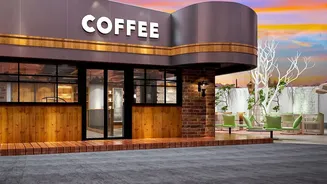
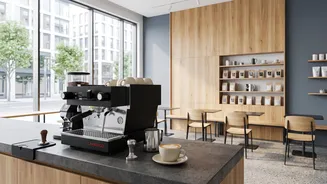
The success of these cafés in new markets isn't just about offering a better cup of coffee. It's about providing the 'third place'—a comfortable, stylish, and aspirational space between home and work for socialising, working, and relaxing. For many in Tier 2 and Tier 3 cities, these cafés are among the first premium, organised social spaces available. Brands understand this and are investing in creating a holistic experience with appealing ambience and high-quality service, which consumers are willing to pay a premium for. This focus on experience helps build brand loyalty and turns a simple coffee run into a sought-after social activity.
A Calculated Business Strategy
This expansion is a calculated bet, not a blind leap. Brands are entering these new markets with smart, adaptive strategies. Many are opting for smaller, more efficient café formats to manage real estate costs, which are significantly lower than in the metros. They are also leveraging technology for supply chain management and customer orders to ensure consistency and quality. While the core offering of high-quality coffee remains, menus are often tweaked to appeal to local palates. This strategic approach allows brands to tap into a high-potential market where there's a clear gap between demand and supply, creating favourable conditions for growth and experimentation.
The Road Ahead and Its Challenges
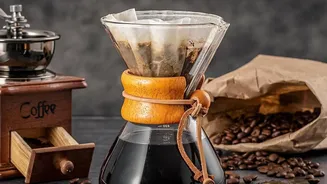
While the opportunity is immense, the path is not without its hurdles. Brands face the challenges of building and managing complex supply chains to deliver fresh products to diverse locations. Training local staff to meet the high standards of specialty coffee preparation and customer service is another critical task. Furthermore, there is an element of consumer education involved in introducing a new audience to the nuances of single-origin beans, different brewing methods, and the higher price point associated with specialty coffee. Despite these challenges, the industry is optimistic, viewing these markets as the engine for the next decade of growth in India's multi-billion dollar coffee industry.