





A Rs 10,783 Crore Connectivity Boost
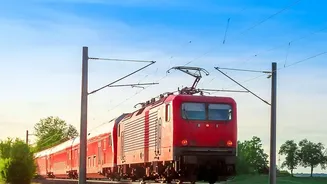
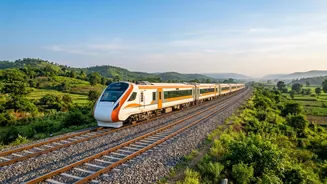
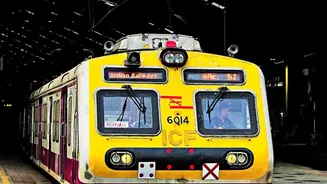
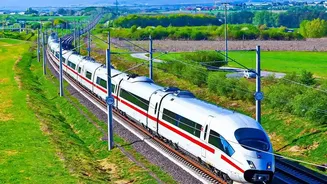
The Cabinet Committee on Economic Affairs has given the green light to three crucial multitracking railway projects with a combined cost of Rs 10,783 crore. This significant investment is aimed at expanding the country's rail capacity, easing existing
congestion on busy routes, and strengthening both freight and passenger connectivity. The projects are part of the PM Gati Shakti National Master Plan, which focuses on integrated and efficient infrastructure development. By adding extra lines to existing routes, the plan seeks to improve the efficiency and reliability of train operations, a move that will have wide-ranging benefits for the economy and the public.
The Five States in Focus
The expansion spans across five states in eastern and central India: West Bengal, Jharkhand, Odisha, Madhya Pradesh, and Chhattisgarh. The initiative covers 14 districts within these states, aiming to improve rail access for approximately 4,790 villages. The three specific projects are the construction of a fourth line on the Kharagpur-Jharsuguda and Katni-Pendra Road sections, and a third line between Bilaspur and Pendra Road. Together, these projects will add about 656 kilometres of new railway lines to the network, addressing critical capacity constraints on some of the most important industrial and mineral transport corridors in the country.
Fueling Economic Growth and Employment
This railway expansion is more than just laying new tracks; it's a strategic move to unlock economic potential. The new lines are particularly crucial for the transport of bulk commodities like coal, cement, iron, and steel, which are vital for India's industries. The government estimates that the capacity augmentation will accommodate an additional 27 million tonnes of freight traffic per year. For local communities, the projects promise significant employment and self-employment opportunities, both during the construction phase and in the long term through improved access to markets, educational institutions, and healthcare facilities. This enhanced connectivity is expected to stimulate economic activity in smaller towns and rural areas, making it easier for farmers and small producers to reach larger markets.
Timeline and Broader Vision
The projects are slated for completion by the 2029-30 financial year. Union Minister of Railways Ashwini Vaishnaw has stated that the multitracking work will substantially increase line capacity and streamline train movements. Beyond the immediate benefits of reduced travel time and congestion, the expansion will also improve access to a number of important religious, tourist, and ecological sites. These include the Jagannath and Taratarini Temples, Bandhavgarh and Achanakmar Tiger Reserves, and the Malhar archaeological site, among others. This aligns with a broader vision of using railway infrastructure not just for economic purposes but also to promote tourism and cultural exchange across regions.