
What Exactly Is Sevai?
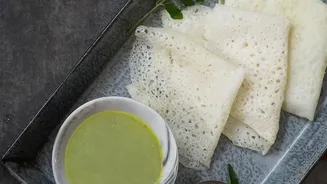
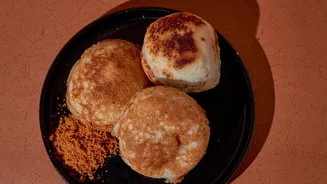
Known by many names across South India, including santhakai and shavige, sevai is a delicate dish of thin rice vermicelli. While it might look like its more famous cousin, idiyappam (string hoppers), there's a key difference in its preparation. Idiyappam
is made by pressing raw rice flour dough into noodles and then steaming them. Sevai, on the other hand, undergoes a unique double-cooking process: a batter of ground rice is first steamed into dense cakes, which are then pressed through a special mould while still hot to create the fine, fluffy noodles. This results in a distinct texture that is light, soft, and ready to absorb any flavour it's paired with.
A Cherished, Time-Onoured Tradition
For generations, making sevai at home was a labour of love, often a cherished ritual reserved for special occasions or lazy weekends. The traditional method was anything but quick. It involved soaking parboiled rice for hours, grinding it into a fine paste, steaming the batter into cakes, and finally, the most demanding step: using a large, hand-cranked press called a 'sevai nazhi' to extrude the noodles. This process required considerable effort and time, making it a dish that was savoured not just for its taste but for the care that went into its creation. It was typically served simply with sweetened coconut milk or a light stew, a comforting meal that felt like a hug in a bowl.
The Shift to Street-Style Speed
The headline's claim of a street-style revival hinges on one crucial innovation: convenience. The laborious, hours-long process simply doesn't work for a fast-paced breakfast market. The game-changer has been the widespread availability of instant or ready-to-cook sevai. These packaged rice noodles, which only require a quick soak in hot water or a brief steaming, have drastically cut down preparation time from hours to mere minutes. This has empowered small eateries and street vendors to add this once-complex dish to their morning menus. It allows them to offer a fresh, hot, and traditional breakfast option that can be prepared on the spot, catering to office-goers and students looking for a quick yet wholesome start to their day.
A Playground of Flavours
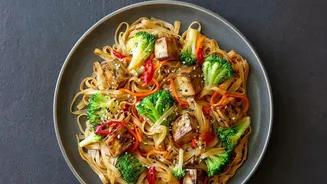
The true beauty of sevai lies in its incredible versatility. The plain, steamed noodles act as a neutral canvas, making them perfect for a wide array of seasonings. Traditional preparations showcase this beautifully. Lemon sevai offers a bright, tangy kick, seasoned with mustard seeds, lentils, and curry leaves. Puli sevai provides a deeper, more complex flavour with tamarind, while thengai sevai is a milder, comforting option tossed with freshly grated coconut. Now, as it enters the street food domain, vendors are getting even more creative, preparing quick-toss versions like tomato sevai and pepper sevai, positioning it as a healthier, lighter alternative to other popular noodle dishes.
The Modern Appeal: Healthy, Light, and Adaptable
So why is sevai resonating with so many people right now? Its comeback aligns perfectly with modern dietary trends. Made from rice, traditional sevai is naturally gluten-free and very easy to digest, making it a fantastic option for those with sensitive stomachs or dietary restrictions. It’s a light yet filling breakfast that provides energy without the heaviness of fried foods. Furthermore, the trend has expanded beyond just rice. You can now find sevai made from a variety of healthier grains like ragi (finger millet), brown rice, and other multi-grain blends, which offer more fibre and nutrients. This adaptability makes it an attractive choice for the health-conscious consumer.