




The Unbreakable Bond of Gold and Weddings
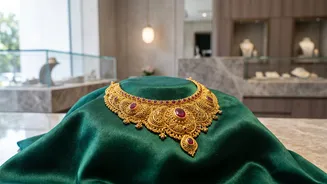
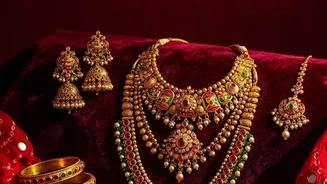
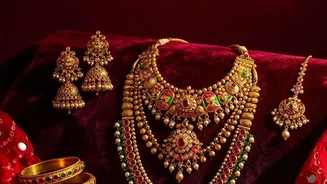
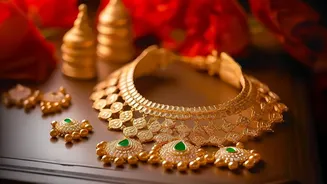
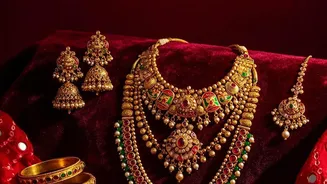
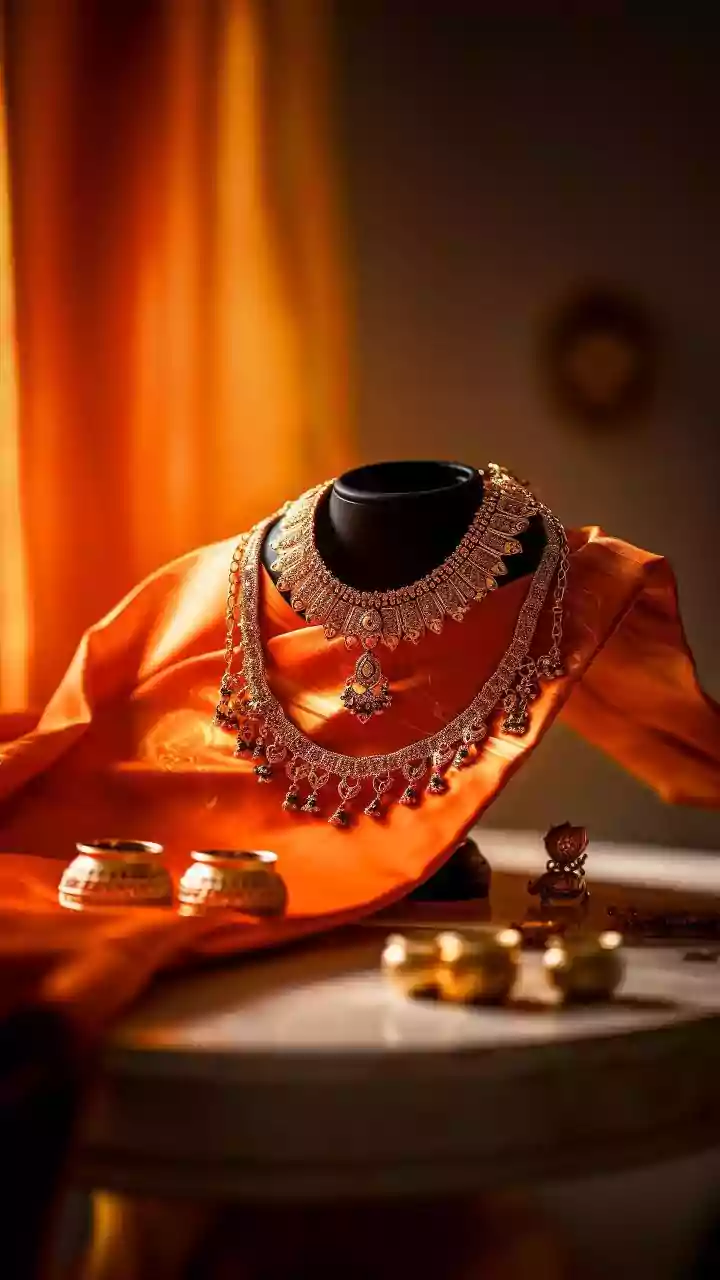
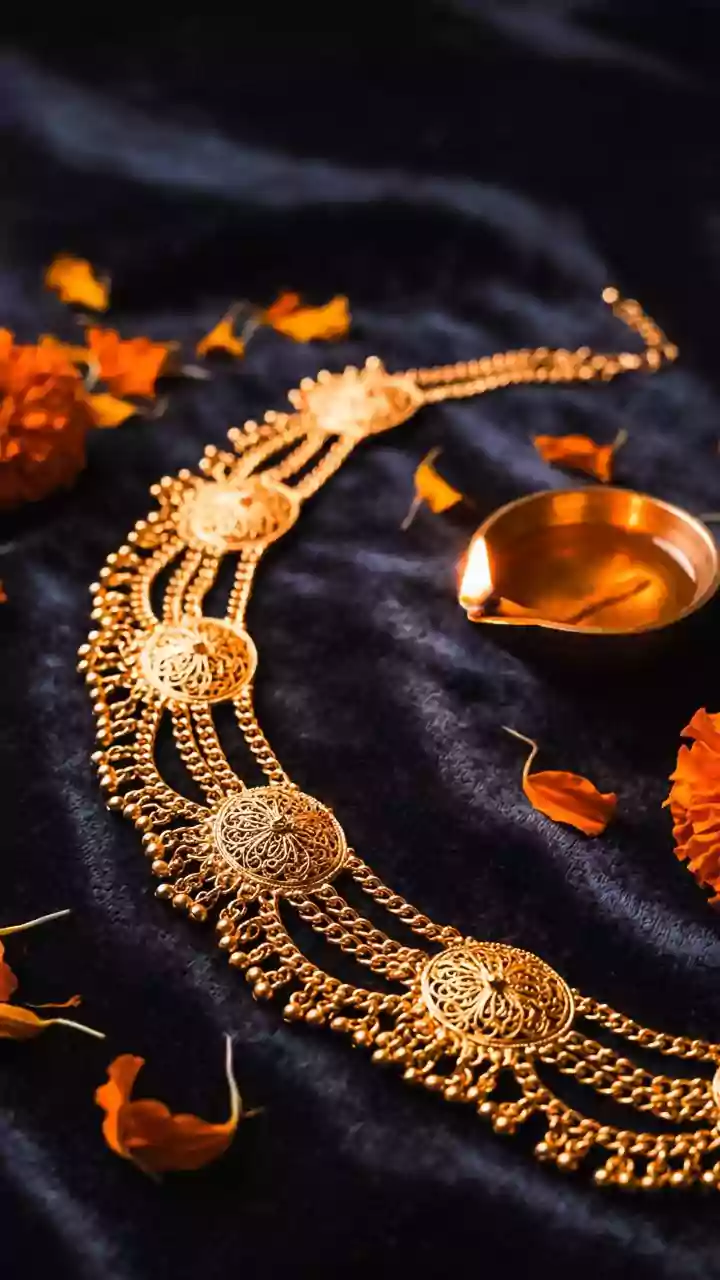
In India, gold is far more than a precious metal; it's a cornerstone of culture, spirituality, and security. During weddings, it symbolises blessings from Goddess Lakshmi, ensuring prosperity for the new couple. Gold given to the bride, known as 'stridhan',
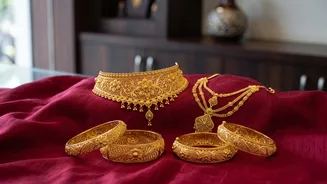
is her personal wealth and a financial safety net, belonging solely to her. From the sacred mangalsutra or thali that officiates the union to the bangles and rings exchanged, each piece of gold is steeped in meaning, representing family heritage and a promise of a secure future. This deep-rooted significance is why weddings contribute to nearly half of India's annual gold demand.
The Soaring Cost of 'I Do'
While gold is a major expense, it's part of a much larger and rapidly inflating budget. In 2026, a typical mid-range wedding in a major Indian city can cost anywhere from ₹20 lakh to ₹40 lakh for about 300 guests, with some estimates putting the average higher. This figure has been rising steadily, driven by pricier venues, elaborate multi-day functions, designer attire, and cinematic photography. The pressure, often amplified by social media's portrayal of 'Instagram weddings', pushes many families to spend a significant portion of their life savings or even take out loans to host a memorable event. With catering and venue costs alone consuming over half the budget, every other expense, especially gold, comes under intense scrutiny.
Watching the Market Like a Hawk
With wedding budgets stretched thin, the fluctuating price of gold has become a major source of anxiety. As of mid-November 2026, 24-carat gold prices have seen significant volatility, recently dipping after a festive season high. For a family needing to buy several hundred grams, even a small percentage change can translate into a difference of lakhs of rupees. This forces families to become amateur market analysts, tracking daily rates and trying to time their purchases. The recent price dips in November have been seen by some as a buying opportunity ahead of the peak wedding season, though the threat of another hike always looms.
Smart Strategies for Modern Families
In response to these pressures, families are adopting new strategies. Many are moving away from impulse buying and planning years in advance. Jewellers report a rise in customers opting for lighter-weight jewellery, which offers the desired look without the heavy cost. Designs are being engineered to appear grand while using less metal. Another popular trend is customisation, where couples engrave initials or significant dates, adding personal value that outweighs pure tonnage. Some are also turning to financial products like gold ETFs and digital gold to accumulate the metal systematically over time, averaging out price fluctuations. Exchanging old jewellery for new designs is also a common way to manage costs.
A Generational Shift in Priorities
The younger generation, while still honouring tradition, is increasingly vocal about the financial strain. Many modern brides and grooms are influencing purchasing decisions, prioritising practicality and personal style. There's a growing preference for minimalist designs and versatile pieces that can be worn long after the wedding day. Some couples are even questioning the scale of the celebrations, opting for more intimate gatherings or court marriages to avoid starting their new life under the burden of debt. This shift suggests that while gold will always have a place in Indian weddings, its form and the financial approach to acquiring it are evolving to fit contemporary realities.