






The Allure of the Quantified Self
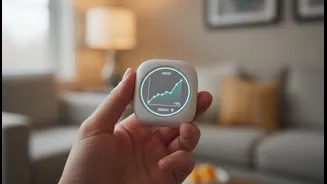
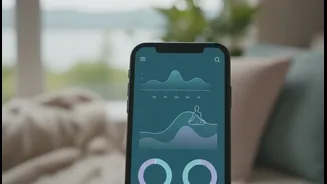
From step counts and sleep cycles to heart rate variability, we have more data about our bodies than ever before. The 'Quantified Self' movement, once a niche interest, is now mainstream, thanks to wearables and a universe of wellness apps. The promise
is captivating: self-knowledge through numbers. In a world of uncertainty, data offers a sense of control and a clear path toward improvement. Seeing your activity rings close or your sleep score improve provides a tangible sense of accomplishment. This feedback loop can be empowering, offering what feels like objective proof that we are taking care of ourselves.
When Data Becomes a Judge
But for many, this constant stream of data can morph from a helpful guide into a source of stress and anxiety. A low 'readiness score' can make you feel guilty before your day even begins. The pressure to hit numerical targets can lead to compulsive behaviours and turn enjoyable activities into a chore. Psychologists warn that this fixation on metrics can cause us to ignore our own body's intuitive signals, trusting the app over our own feelings of hunger, fatigue, or joy. This phenomenon has a name: orthosomnia, an obsession with achieving perfect sleep data that can, ironically, worsen your sleep.
Life's Unquantifiable Variables
The core issue is that life isn't a controlled laboratory experiment. Data is clean; life is messy. Your tracker might log a period of inactivity, but it can't measure the comfort you gave to a sick child. Your heart rate might be elevated, but the data doesn't distinguish between the stress of a deadline and the excitement of a new romance. Biometric data, while useful, has limitations and can be inaccurate due to factors like skin tone or environmental conditions. Reducing our complex human experience to a series of numbers means we lose the context, the nuance, and the very essence of what it means to live a full life. Tying self-worth to these numbers can create a fragile sense of identity, where a 'bad data day' translates to feeling like a personal failure.
Practising Data Compassion
The solution isn't to abandon our devices, but to cultivate a new relationship with our data—one rooted in compassion. Self-compassion involves treating yourself with the same kindness you would offer a friend. When it comes to self-care data, this means seeing the numbers as information, not a verdict. It’s about layering the quantitative data with qualitative context. Instead of asking "What do the numbers say?", we can ask, "What do the numbers say, and how do I feel?". This approach integrates mindful awareness with self-care practices. If your sleep score is low, instead of frustration, try curiosity. Was it because you stayed out having fun? Was it a stressful day? A compassionate response acknowledges the reality of life and resists self-criticism.
From Numbers to Narratives
We can shift from using data as a rigid report card to using it as a story prompt. A week of poor sleep data isn't a failure; it’s the beginning of a story. What's the plot? Is it work stress? A new baby? Too much caffeine? The numbers can be the starting point for self-reflection, not the final word. By combining data with journaling or simply checking in with ourselves, we reclaim the narrative. We become the experts on our own well-being again, using technology as a tool in our toolbox, not as our boss. Self-care, at its heart, is an act of care. And genuine care is always compassionate.