







A Rebellion Against Numbness
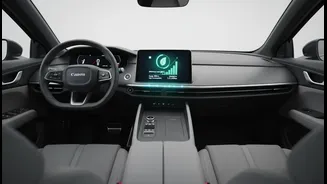
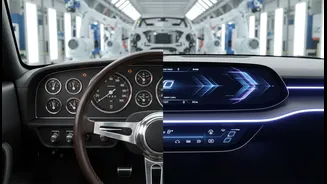
For years, the performance car conversation has been dominated by staggering horsepower figures and semi-autonomous features. While impressive, this relentless push toward digitalization has often come at the cost of driver involvement, leaving many enthusiasts
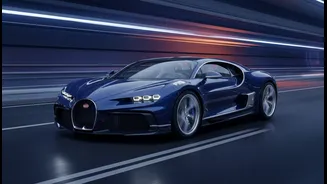
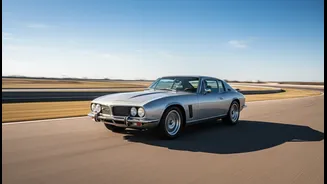
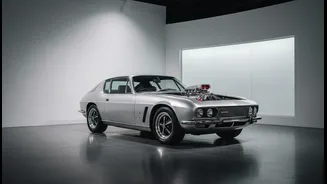
feeling like passengers in their own experience. The GTX revival enters this landscape as a deliberate counterpoint. The philosophy behind its return isn't about being the fastest car on paper, but the most engaging one on the road. This new chapter for GTX is a commitment to the tangible sensations of driving. The project's engineers have prioritized the raw, unfiltered feedback that connects driver to machine, believing a dedicated audience is craving a return to mechanical purity in a world of simulated experiences. It's a bold strategy that sidesteps the current EV-centric performance race to focus on a timeless, if increasingly rare, proposition: a car that makes you feel something.
The Art of Steering Feel
Few terms are as revered and debated among car lovers as 'steering feel.' It's the ability of a car to communicate what the front tires are doing, translating the texture of the road surface and the limits of grip directly to the driver's hands. This crucial feedback loop has been diluted in many modern cars by electronic power steering systems calibrated for comfort and efficiency over communication. The GTX revival tackles this head-on. By prioritizing a steering system engineered to transmit information, it gives the driver the confidence to explore the car's limits. Every subtle change in road camber and tire load is felt through the wheel, creating a rich, detailed conversation between the driver and the road. It isn't just about how the car turns; it’s about how it speaks to you while doing it, transforming a simple corner into a sensory experience.
Perfecting Chassis Balance
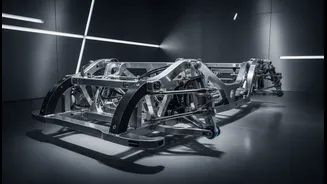
While horsepower creates speed in a straight line, chassis balance is what makes that speed usable everywhere else. It refers to how a car manages its weight during cornering, braking, and acceleration. A car with a balanced chassis feels predictable, agile, and intuitive, allowing the driver to place it with precision and confidence. Most mass-market cars are designed to safely understeer—where the front tires lose grip first—as it's easier for an average driver to manage. The GTX, however, is tuned for neutrality. This means the front and rear tires work in harmony, approaching their limits of adhesion at roughly the same time. This balance makes the car feel like it rotates around the driver, responding to inputs with grace and composure. It’s the difference between a car you have to wrestle into a corner and one that dances through it, rewarding skill and encouraging a deeper connection.
Celebrating Mechanical Theatre
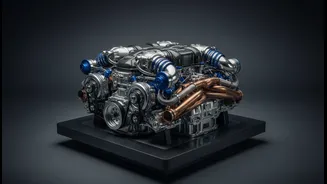
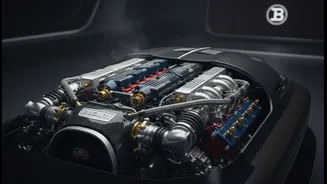
In an age of silent electric motors and synthetic cabin sounds, 'mechanical theatre' is the celebration of a machine's honest, unadorned voice. It’s the satisfying click-clack of a manual gearshift, the rising crescendo of a naturally aspirated engine, and the subtle whirrs and whistles that signal a complex machine at work. Too often, modern cars use plastic covers and sound deadening to hide their mechanical hearts. The GTX revival, in contrast, puts these elements on display. The engine isn't just a power source; it's an instrument. The gear linkage isn't just a selector; it's a direct physical connection to the transmission. This focus on sensory engagement is a core part of the car's appeal. It acknowledges that for many, the sounds and vibrations of a combustion engine are not noise to be cancelled, but music to be enjoyed—a vital part of the emotional experience of driving.