






The Fantasy Pantry vs. The Real You
Many of us are guilty of “aspirational shopping.” We buy quinoa because we want to be healthier, or expensive saffron for a one-off biryani we saw online. The result is a pantry cluttered with ingredients that don’t reflect our daily routines. This not
only creates stress and clutter but also leads to significant food and money waste. The first step to a balanced pantry is radical honesty. Acknowledge the cook you are, not the one you think you should be. If you make dal and rice four times a week and bake once a year, your pantry should reflect that. Acknowledging your true habits is liberating. It frees you from the pressure of unused items staring back at you and sets the foundation for a kitchen that is efficient, economical, and enjoyable to use.
Conduct a Ruthless Pantry Audit
To build a better pantry, you must first tear the old one down. Set aside an hour and take everything out. Every can, every bag, every spice jar. Give your shelves a thorough cleaning. Now, it's time to be ruthless. Create three piles: keep, donate, and toss. Toss anything that is expired or has been open for too long. Donate unopened, non-expired items you know you won’t use. This could be that tin of water chestnuts from a forgotten recipe or a brand of biscuits your family didn't like. As you sort, take notes. What do you have too much of? What expired before you could use it? This audit isn’t just about cleaning; it’s a data-gathering exercise to understand your purchasing patterns and prevent future waste.
Define Your Core Ingredients
Now that you have a clean slate, it’s time to restock with intention. Instead of buying what looks good at the store, build your shopping list around the meals you actually cook. Identify 5-10 dishes that are in your regular rotation—your comfort-food dals, go-to sabzis, quick breakfast items, and weekend favourites. For an Indian kitchen, this core list will likely include specific types of dal (like toor, masoor, or chana), basmati rice, and atta for rotis. Your essential spices are the holy trinity of turmeric, cumin, and coriander, along with staples like red chilli powder and garam masala. Cooking oils like mustard or groundnut oil, and a good quality ghee, are also fundamental. These items form the backbone of your pantry; they are the ingredients you can confidently buy in larger quantities because you know they will be used.
Smart Storage Is Your Secret Weapon
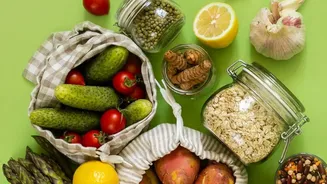
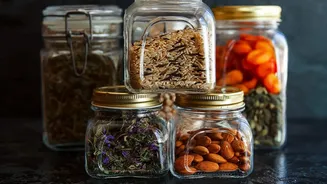
An organised pantry saves you time and prevents food from getting lost and expiring. The key is visibility. Invest in clear, airtight containers for dry goods like dals, rice, sugar, and flour. This not only keeps items fresh but allows you to see your inventory at a glance. Group similar items together into zones: all your baking supplies in one area, breakfast items in another, and snacks in a designated bin. Use the “First-In, First-Out” (FIFO) principle. When you buy a new bag of rice, place it behind the one you’re currently using. Make the most of your space with smart tools like tiered risers for cans, lazy Susans for corners, and door racks for spices. When you can see everything you have, you're more likely to use it.
The “One-in, One-Out” Rule for Exploration
A practical pantry doesn’t have to be a boring one. The goal isn't to stop experimenting, but to do it thoughtfully. Adopt a “one-in, one-out” or a “plus-one” rule for new ingredients. When you want to try a new cuisine or a complex recipe, buy only the specific new spice or sauce it requires in the smallest possible quantity. Challenge yourself to use it up before buying another novel item. This prevents the slow accumulation of single-use ingredients. It turns culinary exploration into a mindful practice rather than a source of clutter. By intentionally incorporating new flavours, you can expand your cooking repertoire without sacrificing the balance and efficiency of your well-managed pantry.