
What is TasteAtlas Anyway?
Before we dive into the rankings, it’s important to understand what TasteAtlas is—and what it isn’t. Founded by Croatian entrepreneur Matija Babić, TasteAtlas describes itself as an experiential travel guide and a world atlas of traditional dishes. Unlike
the prestigious Michelin Guide, which focuses on fine dining and professional critics, TasteAtlas is a crowd-sourced platform. Its annual lists are generated from the ratings of hundreds of thousands of users around the globe who vote for their favourite dishes throughout the year. The methodology involves aggregating these ratings and using a system to filter out bot-driven or nationalistically biased votes to create a final score. So, rather than being a verdict from a panel of elite chefs, these rankings are a reflection of what real people are eating and loving.
Decoding the Global Rankings
In the most recent list for 2025/26, Indian cuisine's score of 4.43 placed it at number 13. This placed India ahead of countries like the United States. The top spots were dominated by European and Asian cuisines, with Italy, Japan, and Greece often featuring in the top three. According to one report, India’s ranking was 11th in the 2023 list with a score of 4.52 and 12th in the 2024/25 list. These slight shifts year-on-year show how dynamic and competitive the global food scene is. While a number 13 spot might seem modest for a country with such a rich and diverse culinary heritage, the real story lies beyond this single number. These lists often spark passionate debates online, with many rightly pointing out that a single ranking can hardly capture the depth of a nation's food culture.
The Real Winners: India’s Most-Loved Dishes
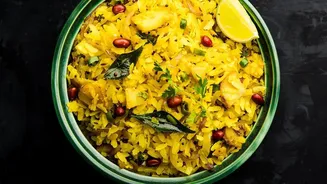
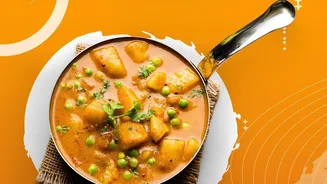
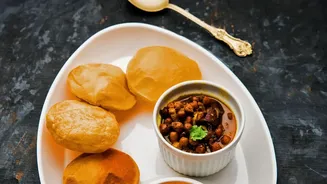
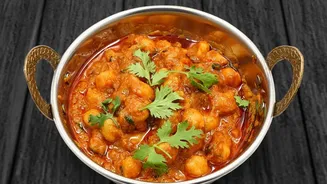
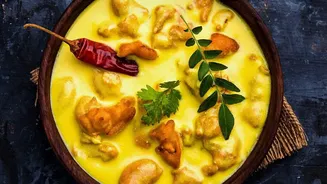
Looking past the overall country rank, the celebration truly begins when you see which Indian dishes have captured the world's attention. In various TasteAtlas lists, several Indian classics have not only been featured but have ranked exceptionally high. Butter Garlic Naan, for instance, has been ranked as high as number 7 in the world's best dishes and even crowned the best bread globally in some reports. Other beloved dishes consistently earning high ratings include Murgh Makhani (Butter Chicken), Tikka, Tandoori dishes, Hyderabadi Biryani, and Masala Dosa. Even Garam Masala, the quintessential Indian spice blend, has been highlighted as a 'must-try' product with an impressive rating. These individual accolades prove that while the overall country score is a talking point, the world’s love affair with specific Indian flavours is undeniable.
More Than a Number
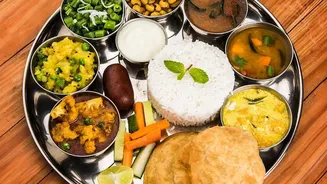
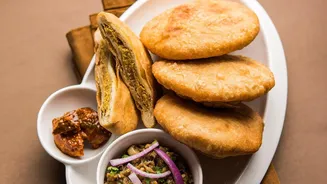
Ultimately, rankings like these are conversation starters, not definitive judgements. How can one score truly represent a cuisine that changes every hundred kilometres, from the coasts of Kerala to the mountains of Kashmir? The platform also highlights the best cities for local food, with Mumbai earning a spot in the top 5 globally, and cities like New Delhi, Amritsar, Hyderabad, Kolkata, and Chennai also making the list. This recognition of our regional food hubs tells a more complete story. It acknowledges that the heart of Indian food lies in its diversity—in its bustling street food stalls, its iconic traditional restaurants like Dum Pukht and Tunday Kababi, and in the kitchens of countless homes. The fact that dishes like Amritsari Kulcha, Parotta, and even Mango Lassi are being rated and celebrated by a global audience shows that the world is looking beyond the stereotype of Indian food as just 'spicy'.