





Why Vegetables Spoil Faster in Monsoon
The rainy season's high humidity and reduced sunlight create ideal conditions for bacteria, fungi, and pests to thrive. Waterlogged soil can lead to contamination even before vegetables are harvested. Once at the market or in your kitchen, the constant
moisture in the air accelerates spoilage, making produce wilt, rot, and grow mould much faster than in other seasons. This environment means our digestive systems can also be more sensitive, making food hygiene extra important.
Vegetables to Handle with Care
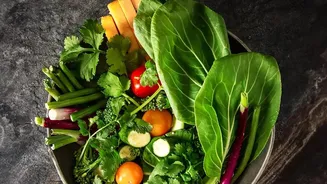
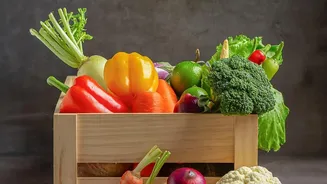
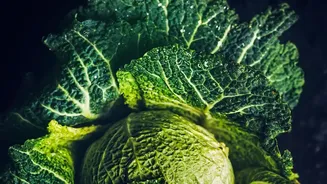
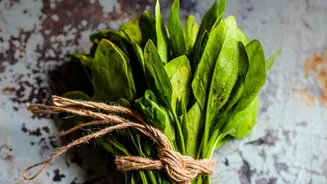
Certain vegetables are more susceptible to monsoon-related problems. Leafy greens like spinach, cabbage, and lettuce are prime culprits. Their layered leaves can easily trap mud, moisture, and tiny insects, making them difficult to clean thoroughly. Cruciferous vegetables such as cauliflower and broccoli, with their tightly packed florets, also become a haven for moisture, dirt, and hidden pests. Even brinjals can be problematic, as their spongy texture absorbs excess moisture, leading to quicker decay. While you don't have to eliminate them completely, they require very careful inspection and thorough cooking.
The Best Vegetables for Your Monsoon Basket
To keep your meals both healthy and safe, focus on vegetables that are naturally more resilient. Gourds are an excellent choice. Varieties like bottle gourd (lauki), bitter gourd (karela), ridge gourd (turai), and pointed gourd (parwal) have thick skins and grow on vines, keeping them away from contaminated soil. Other good options include Indian squash (tinda), okra (bhindi), and beans. These vegetables are not only safer but are also at their freshest during this season, offering great taste and a boost to your immunity.
Smart Shopping and Selection Tips
Your first line of defence is being a discerning shopper. Always select vegetables that are firm, brightly coloured, and free from any bruises, cuts, or soft spots. Avoid buying pre-cut vegetables or fruits, as the exposed surfaces can get contaminated quickly in the humid air. Trust your senses—if a vegetable smells off or looks unusually dull, it's best to leave it. Opt for buying smaller batches of fresh produce more frequently rather than stocking up for the week. This ensures you're always cooking with the freshest ingredients available.
Proper Cleaning and Storage at Home
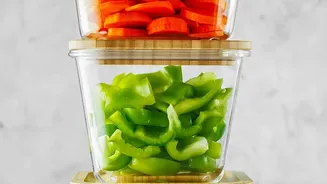
Once you bring your vegetables home, proper handling is crucial. Wash all produce thoroughly under running water. For leafy greens or cauliflower, a good practice is to soak them in a bowl of water with a bit of salt or vinegar for about 15 minutes to help dislodge hidden germs and dirt. After washing, the most important step is to dry them completely with a clean cloth or paper towel before storage. Storing damp vegetables in the fridge is an open invitation for mould. Use breathable bags or wrap greens in paper to absorb excess moisture and extend their freshness.