








Beyond the Sabzi Mandi
For the average Indian household, inflation is often synonymous with the fluctuating prices of onions, tomatoes, and cooking oil. While food inflation remains a significant concern, recent data shows a fundamental shift. The headline inflation rate, which
stood at 4.38% in June 2026, is increasingly being driven by non-food items. This means that even if your vegetable bills are stable, you might find your overall monthly expenses climbing. This new wave of inflation is hitting services—the intangible but essential things we use every day, from the commute to work to the fees for a child's education. This shift indicates that inflation is becoming more embedded in the economy, making it a stickier problem to solve.
Decoding the Inflation Basket
To understand this shift, we need to look at the Consumer Price Index (CPI), or the 'inflation basket'. This is a representative list of goods and services the government tracks to measure price changes. The basket includes everything from food and beverages to housing, clothing, transport, and health. 'Food and beverages' have a large weight, historically around 46%, but this has been revised down in the new 2024 series. The 'Miscellaneous' category, which is now broken into specific divisions like Transport, Health, Education, and Recreation, holds the key to the current trend. While a spike in a single food item can cause a temporary jump in the headline number, rising prices across multiple service categories suggest a more widespread economic pressure.
Which Services Are Costing More?
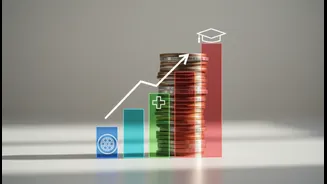
The price pinch is being felt across several key service sectors. According to the latest data for June 2026, 'Restaurants and accommodation services' saw inflation rise to 6.91%. Transport costs also jumped significantly, with inflation in that category hitting 4.31%, largely due to higher fuel prices. Beyond these, households are also dealing with steadily rising costs in education (3.34% inflation) and health services (1.42% inflation). While some of these numbers may seem small in isolation, they represent consistent, upward pressure on costs that rarely come down. Unlike volatile food prices, service inflation tends to be more structural and long-lasting.
Why Is This Happening Now?
Several factors are driving up the cost of services. Higher fuel prices have a cascading effect, increasing the cost of transport not just for people but for all goods and services that rely on logistics. As the economy grows, demand for services like hospitality, healthcare, and education also rises. This increased demand, coupled with rising operational and wage costs for businesses, translates into higher prices for the consumer. Firms are passing on increased input costs, from raw materials to administrative expenses, to maintain their margins. This dynamic is often referred to as 'core inflation', which excludes volatile food and fuel prices, and its recent rise to 4.1% in June shows that underlying price pressures are building.
The Bigger Picture for Your Budget
This shift from food-led to services-led inflation has important implications. For one, it makes inflation a more challenging issue for the Reserve Bank of India (RBI). The RBI's monetary policy tools, like changing interest rates, are less effective at controlling service costs which are driven by wages and demand, compared to food prices which are often affected by supply shocks like monsoons. For households, this means the cost of living is rising in ways that are harder to manage. You can substitute one vegetable for another, but you cannot easily switch your child's school or your daily commute. This sustained increase in essential service costs erodes purchasing power and can force families to cut back on discretionary spending or dip into savings.