





The Science Behind the Lean
That familiar tilt towards a window is a natural plant behaviour called phototropism. Plants need sunlight for photosynthesis, the process of creating their own food, and they are expertly designed to seek it out. This is controlled by a plant hormone
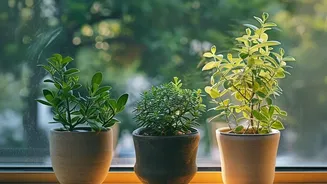
called auxin. When one side of a plant gets more light, auxin accumulates on the shadier side. This hormone encourages the cells on the dark side to grow longer, causing the stem to physically bend and reach for the light source. While this is a clever survival tactic in nature, it can lead to uneven, sparse, and structurally weak plants indoors.
The Quarter-Turn Rule of Thumb
To counteract this leaning, regular rotation is key. Giving your plant a 90-degree, or quarter-turn, is the most common advice. How often should you do it? A popular and easy-to-remember method is to give the pot a slight turn every time you water it. For many plants, this amounts to a quarter-turn every one to two weeks. This simple routine ensures that all sides of the plant receive relatively equal light exposure over time. The goal is to promote balanced growth, resulting in a stronger stem, a fuller shape, and a more aesthetically pleasing plant from every angle.
Which Plants Appreciate a Good Turn?
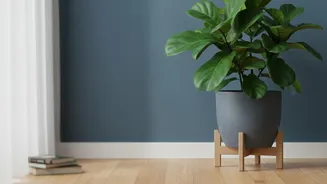
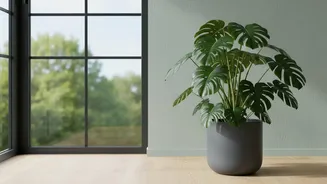
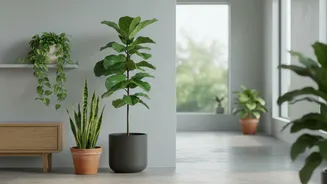
Most common foliage houseplants benefit greatly from regular rotation. Think of plants prized for their lush, symmetrical appearance. Ficus trees, such as the popular Fiddle Leaf Fig, are notorious for leaning and will look much fuller with consistent turns. Vining plants like Pothos (Money Plant) and Philodendrons, along with statement plants like the Monstera Deliciosa and Snake Plant, all respond well to this practice. Even many cacti and succulents, despite being slow growers, can be rotated to maintain their shape. Essentially, if a plant’s primary appeal is its leafy, balanced structure, it is likely a good candidate for rotation.
Hold Still: When Not to Rotate
However, this advice is not universal. Some plants react poorly to being moved, and rotating them can cause stress. The most cited exceptions are flowering plants that have already formed buds, such as certain Orchids and Christmas Cacti. These plants put significant energy into orienting their buds towards the light, and changing that orientation can cause them to drop their buds before they bloom. Additionally, some climbing plants that have a clear front and back, like a Monstera that is being trained up a moss pole, should not be rotated. Turning these can disrupt their established growth pattern. Always observe your plant; if it seems stressed after a turn, it might prefer to stay put.
More Than Just Good Looks
Beyond creating a more symmetrical plant, regular rotation has other benefits. It improves air circulation around the entire plant, which can help reduce the risk of pests and fungal issues that thrive in stagnant conditions. Turning the pot is also a perfect opportunity to inspect your plant from all sides, allowing you to catch early signs of pests or disease. By ensuring all leaves get their moment in the sun, you are maximising the plant's ability to photosynthesise, leading to stronger overall health and more vigorous growth.