





The Problem with a Single Timer
Not all vegetables are created equal, and this is especially true in their frozen state. Frozen vegetables are blanched (partially cooked) before freezing, which means they cook much faster than fresh ones. The primary reason a one-size-fits-all approach
fails is due to variations in water content and density. When vegetables freeze, the water inside them forms ice crystals that rupture their cellular structure. This makes them softer and more prone to sogginess. Delicate vegetables with high water content will turn to mush long before dense, hardy vegetables are cooked through. Applying high heat quickly is often the best strategy, as it allows excess moisture to evaporate rather than steam the vegetables into submission.
Delicate Veggies: Think Fast
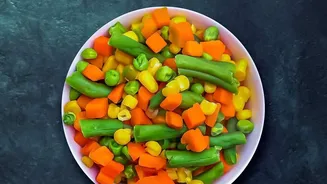
For small, delicate vegetables, a short cooking time is crucial. Think of peas, corn, and cut green beans. These require minimal time to become tender and delicious. Overcooking them is the fastest route to a bland, watery texture. For these types, steaming for just 2 to 5 minutes is often perfect. Sautéing in a hot pan is another excellent option; they often only need 5 to 7 minutes to heat through and gain a little colour. The key is to watch them closely and pull them from the heat when they are bright and just tender. Some, like corn and peas, can simply be thawed and added to salads without any cooking at all.
Hardy Vegetables: Give Them Time
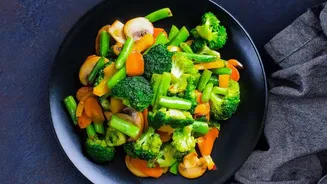
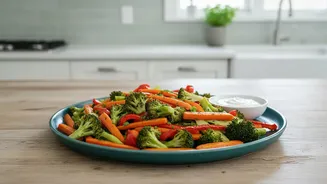
Denser vegetables like broccoli florets, cauliflower, carrots, and Brussels sprouts need a bit more time and a different approach. Because they are thicker and hold less water relative to their mass, they can withstand longer cooking, which is necessary to become tender. Boiling is generally not recommended as it leads to sogginess. Instead, steaming is a reliable method; broccoli and cauliflower typically need 5 to 7 minutes, while larger pieces of hard vegetables like carrots might take up to 12 minutes. However, for the best flavour and texture, roasting is the superior method for these hardy types.
The Roasting Revelation
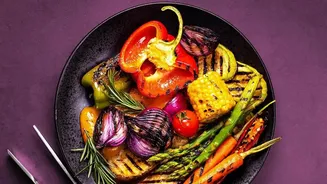
Roasting can transform frozen vegetables, creating caramelized, crispy results that are far from mushy. The trick is to use high, dry heat. Do not thaw the vegetables first; cooking them directly from frozen helps preserve their texture. Preheat your oven and baking sheet to a high temperature, around 220°C (425°F). Toss the frozen vegetables in a little oil and seasoning, then spread them in a single, uncrowded layer on the hot pan. Crowding the pan will cause them to steam instead of roast. Cook for about 15-25 minutes, flipping halfway through, until they are browned and crispy at the edges. This method works wonders for broccoli, cauliflower, and Brussels sprouts.
Mastering the Skillet
Sautéing is another fantastic way to control the cooking process and avoid a soggy outcome. The goal is to drive off moisture quickly. Start with a hot pan and a bit of oil or butter. Add the frozen vegetables directly to the pan and cook over medium-high heat, stirring occasionally. Initially, the vegetables will release water. Allow this liquid to cook off completely. Once the water has evaporated, the vegetables will begin to sauté properly, gaining some colour and flavour. This method works well for mixed vegetables, green beans, and corn, typically taking 5 to 7 minutes uncovered.