






The New Digital Guardrails for Your Meal
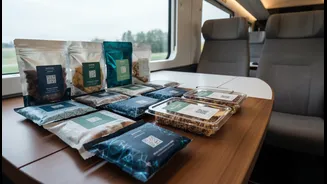
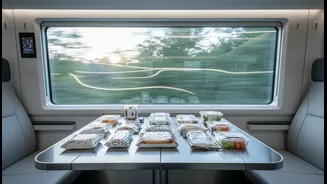
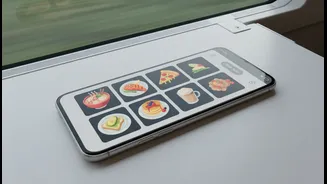
The single biggest change in recent times is the push for digital traceability. Indian Railways has introduced a system where food packets come with QR codes. A quick scan can reveal crucial information like the kitchen where the meal was prepared and
the date of packaging. This initiative, along with QR code-based ID cards for vendors, aims to eliminate unauthorised sellers and ensure that the food reaching you is from a verified source. This transparency is a significant step up from the days of anonymous pantry cars and platform vendors, making it easier to hold caterers accountable for quality and hygiene.
What 'FSSAI-Approved' Actually Means for You
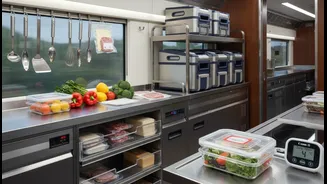
You often see the term 'FSSAI-approved' in relation to train food, but what does it mean in practice? The Food Safety and Standards Authority of India (FSSAI) has made certification mandatory for all railway catering units. This means kitchens are subject to audits and must adhere to specific hygiene protocols, from staff wearing masks to sanitising kitchens regularly. To bolster this, Food Safety Supervisors are now deployed at kitchen units to monitor practices. While incidents still occur, this framework provides a baseline of safety that was previously inconsistent. Some stations have even earned the 'Eat Right Station' certification from FSSAI, indicating higher standards of food safety.
Your Smartest Option: E-Catering
The rise of e-catering services has been a game-changer. Platforms like IRCTC's own eCatering service, and its partnerships with other aggregators, allow you to order meals from established and rated restaurants at upcoming stations. This gives you a wider variety of choices and lets you select vendors based on user reviews and ratings. These partners are required to follow FSSAI guidelines, making e-catering a more reliable option than taking a chance on an unknown platform vendor. For best results, order well in advance of a station with a longer halt and opt for cash on delivery to avoid issues with missed deliveries.
Packing From Home: The Ultimate Safety Net
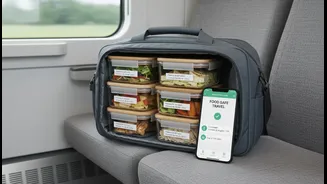
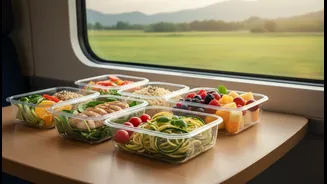
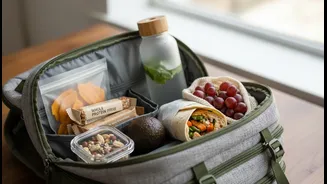
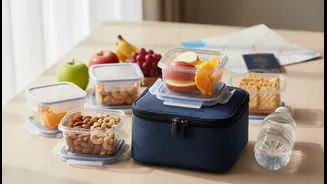
Despite improvements, the safest meal is often the one you pack yourself. However, even home-cooked food needs to be packed correctly to remain safe. The golden rule is to keep wet and dry items separate to prevent sogginess and spoilage. Use leak-proof containers for curries and dals. For long journeys, choose foods that don't spoil easily without refrigeration, like theplas, dry sabzis, parathas, and simple rice dishes like lemon rice. Avoid highly perishable items like milk-based products and non-vegetarian dishes unless you can consume them within a few hours. Most cooked Indian food is safe at room temperature for about 4-6 hours; an insulated bag can extend this.
On-the-Spot Decisions: What to Buy and Avoid
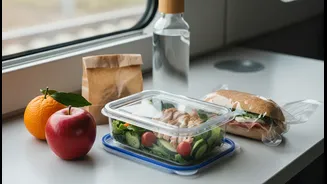
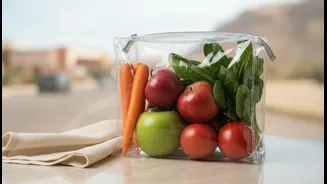
If you must buy food on the go, stick to simple, hot, and freshly prepared items. A hot meal is generally safer as the heat kills most harmful bacteria. Avoid raw or cut foods like salads and fruit platters, as their hygiene is hard to guarantee. Be cautious with pre-packaged items; always inspect the packaging for damage or broken seals. When buying water, stick to trusted brands like Rail Neer or other sealed bottles. If you encounter any issues with food quality, use the official channels to complain. Indian Railways provides helpline numbers and social media accounts for passengers to report problems, and recent actions show these complaints are being taken seriously.