






What is the New 'Economic D-Day'?
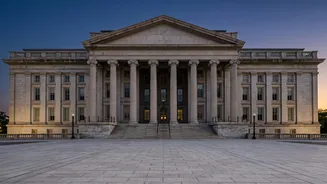
On August 24, 2026, the U.S. Treasury announced a major expansion of its sanctions strategy, dubbed an “economic D-Day” and “Operation Economic Outcast”. The move is not just about adding more names to a list. It represents a strategic pivot to close
loopholes and sever Iran’s remaining links to the global economy. U.S. Treasury Secretary Scott Bessent stated the objective is to “sever every economic lifeline that sustains this tyrannical regime until Tehran stands alone”. The core of this broadened approach is the expansion of secondary sanctions, which threaten to cut off any international company, entity, or country that continues to do business with Iran from the U.S. dollar-based financial system.
Which Sectors Are Being Targeted?
The latest measures specifically target five sectors Washington says the Iranian government uses to support its economy. These are digital assets, technology, gold, aviation, and shipping. By putting these entire sectors on notice, the U.S. aims to create a chilling effect, making even legitimate-seeming transactions with Iran too risky for foreign entities. The Treasury Department has also sanctioned nearly 60 new individuals, entities, and vessels accused of aiding Iran's oil smuggling, cyber operations, or procurement of military technology. However, the administration stopped short of immediately penalizing major financial institutions, for instance in China, instead issuing a stark warning and a grace period for compliance.
Why This Aggressive Push Now?
This financial offensive comes nearly six months into a conflict that began with U.S. and Israeli strikes on Iran in February 2026. With the war at a stalemate and diplomatic talks stalled, Washington appears to be doubling down on economic warfare as its primary tool to force concessions from Tehran. The strategy aims to cripple Iran's economy, which is already suffering from wartime destruction, a U.S. naval blockade, soaring inflation, and the weight of previous sanctions. The Iranian currency, the rial, has already plummeted to record lows in anticipation of these new measures. U.S. officials hope this extreme pressure will break the deadlock and potentially force Iran back to the negotiating table on Washington's terms.
Global Ripple Effects and Reactions
This strategy inherently puts other nations in a difficult position. Major trading partners of Iran, including China, Turkey, the UAE, and India, face a choice: defy the U.S. and risk sanctions, or cut ties with Iran. The United Arab Emirates already announced a suspension of trade with Iran. China, the largest buyer of Iranian oil, has stated that sanctions do not help and that it will protect its interests. For countries like India, which have historically maintained diplomatic and economic links with Tehran, this escalates the complexity of navigating relations with both the U.S. and Iran. The American strategy hinges on the belief that the threat of losing access to the dollar is a risk most countries and companies will be unwilling to take.
Will It Work?
Analysts are divided on the ultimate effectiveness of this approach. Iran has decades of experience in circumventing sanctions through front companies and informal economic channels. Iranian officials have publicly dismissed the new measures, stating they are prepared and have a two-year plan to manage the events. Some experts argue that sanctions have historically failed to deter Iran's leadership and may even consolidate the regime's power. Others believe that with the Iranian economy more fragile than ever after the recent conflict, this intensified pressure could be decisive. However, there are significant risks, including the possibility that Iran could respond with military escalation in the region to deter its neighbors from complying with the U.S. demands.