




Why Humidity Is a Vegetable’s Worst Enemy
High humidity creates the perfect breeding ground for mould, fungus, and bacteria, which are the primary agents of rot. When moisture settles on the surface of vegetables, it softens their skins and invites these microorganisms to thrive. For many delicate
vegetables, especially those with thin skins or high water content, this damp environment is a direct path to becoming soft, soggy, and spoiled. This problem is particularly pronounced during India's monsoon season, when ambient humidity levels are consistently high, making proper storage more critical than ever.
A Primer on Leafy Greens and Herbs
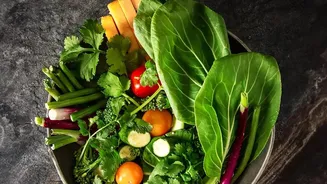
Leafy greens like spinach (palak), fenugreek (methi), and herbs like coriander (dhania) and mint (pudina) are often the first casualties. Their large surface area and delicate structure make them prone to wilting. The single most important rule is to keep them as dry as possible before storage. Do not wash them until you are ready to use them. To store, first discard any yellow or damaged leaves. Then, wrap the unwashed bunch loosely in a paper towel or newspaper to absorb any ambient moisture and place it in a container in the refrigerator's crisper drawer. This simple step can extend their life from a single day to nearly a week.
The Root Vegetable Conundrum
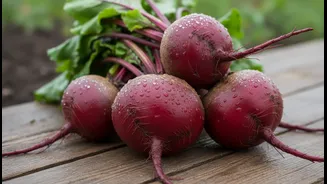
Onions, potatoes, and garlic are pantry staples, but they require specific care in humid weather. Their main requirement is good air circulation to keep them dry. Storing them in sealed plastic bags is a mistake, as this traps moisture and encourages sprouting and rotting. Instead, keep them in a cool, dark, and dry place with plenty of airflow, like a mesh bag or a wicker basket. Crucially, never store potatoes and onions together. Onions release ethylene gas that accelerates sprouting in potatoes, leading to premature spoilage for both.
Handling Ethylene-Sensitive Produce
Ethylene is a natural, invisible gas produced by certain fruits and vegetables as they ripen, such as apples, bananas, and tomatoes. This gas acts as a ripening hormone and can cause other, ethylene-sensitive vegetables—like leafy greens, carrots, and cucumbers—to spoil much faster. During humid weather, when ventilation might be lower, trapping this gas can be a major problem. The solution is simple: separation. Store high ethylene-producing items away from sensitive ones. This might mean keeping your fruit bowl on the counter far from the vegetable basket or utilising different crisper drawers in your fridge.
Soft-Skinned and Cruciferous Vegetables
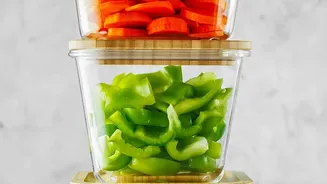
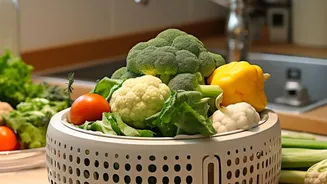
Vegetables like tomatoes, bell peppers (capsicum), and cucumbers have their own storage needs. Tomatoes should generally be kept at room temperature and out of direct sunlight, as refrigeration can make them mealy. Bell peppers and cucumbers, however, do well in the crisper drawer of the fridge. For cruciferous vegetables like cauliflower and broccoli, the goal is to keep them dry. Store them in the fridge, but ensure they are not sealed in tight plastic, which can trap moisture and lead to dark spots and mould. A breathable bag or a loosely tied one is a better option.
Smart Habits for a Fresher Kitchen
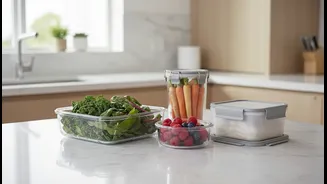
Beyond specific techniques, a few general habits can make a huge difference, especially during wet seasons. Firstly, buy smaller quantities more frequently. This ensures you're always working with the freshest produce and reduces the chance of spoilage. Before storing anything, give it a quick inspection. Remove any vegetables that are already bruised or showing signs of mould, as they can quickly contaminate the rest of the batch. Finally, keep your refrigerator clean and dry. Wipe up any spills or condensation promptly to maintain an environment that preserves, rather than spoils, your food.