






Kanazawa: The Well-Preserved Alternative
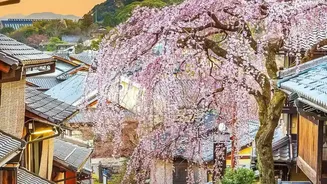
Often called "Little Kyoto," Kanazawa offers a rich cultural experience without the overwhelming crowds of its more famous counterpart. Having escaped damage during World War II, the city retains its historical charm. You can wander through the Higashi
Chaya District, one of several beautifully preserved geisha districts where you can enjoy tea in traditional wooden teahouses. The Nagamachi samurai district provides a glimpse into the lives of Japan's warrior class, with historic residences and narrow lanes. The city is also home to Kenrokuen, celebrated as one of Japan's three most beautiful landscape gardens, offering serene beauty year-round. Kanazawa is easily accessible via the Shinkansen, making it a convenient and compelling stop for those looking to experience Japan's history at a more relaxed pace.
The Kiso Valley: A Walk Through Feudal Japan
For a true escape into nature and history, the Kiso Valley provides an unforgettable journey. It is home to a preserved section of the Nakasendo Trail, one of the five major routes of the Edo Period that connected Tokyo and Kyoto. Hiking a portion of this trail allows you to walk in the footsteps of samurai, merchants, and pilgrims from centuries past. The most popular section connects the picturesque post towns of Magome and Tsumago. This gentle 8-kilometer walk takes about two to three hours, winding through forests, past waterfalls, and alongside the fields of local residents. The towns themselves are architectural treasures, with dark wood buildings, stone-paved streets, and a strict ban on modern intrusions like cars and power lines in their historic centers, creating an atmosphere that feels frozen in time.
Takayama: Gateway to the Japanese Alps
Nestled in the mountainous Gifu Prefecture, Takayama is a city that blends culture, history, and stunning natural scenery. Its Sanmachi Suji district features some of the most beautifully preserved Edo-period streets in Japan, lined with sake breweries, craft shops, and traditional merchant houses. You can start your day exploring the Miyagawa morning market, a lively affair where local farmers and artisans sell their wares. For a deeper dive into the region's past, the Hida Folk Village showcases traditional thatched-roof farmhouses moved from different parts of the region. Takayama also serves as an excellent base for exploring the wider Hida region, including day trips to the UNESCO World Heritage Site of Shirakawa-go or venturing into the majestic Japanese Alps for hiking.
Shikoku: An Island of Pilgrimage and Art
As the smallest and least populated of Japan's four main islands, Shikoku offers a profoundly different travel experience. It is most famous for the 88 Temple Pilgrimage, a circular route that has drawn spiritual seekers for over 1,200 years. You don't need to be a pilgrim to appreciate the tranquility of the temples and the kindness of the locals. Beyond the spiritual trail, the island boasts rugged natural beauty, like the remote Iya Valley with its thrilling vine bridges suspended high above the river. For a modern cultural twist, the island of Naoshima, accessible from Shikoku's coast, is a world-renowned hub for contemporary art, featuring museums and installations by artists like Yayoi Kusama and Tadao Ando seamlessly integrated into the landscape.