





Understanding the Mediterranean Model
First, let's break down what makes the Mediterranean diet so revered. It’s not a rigid set of rules but rather an eating pattern centered on an abundance of plant-based foods like vegetables, fruits, whole grains, nuts, and legumes. It uses olive oil
as its primary source of fat, includes moderate amounts of fish and dairy (like cheese and yogurt), and limits red meat. Decades of research link this diet to a lower risk of heart disease, type 2 diabetes, and other chronic illnesses. The focus is on whole, minimally processed ingredients enjoyed in a social setting.
The Plant-Powered Foundation
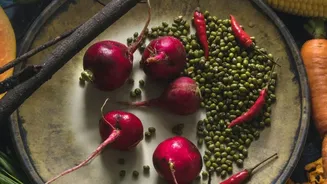
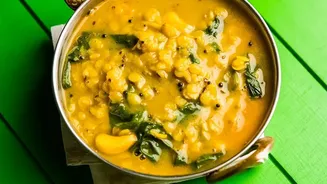
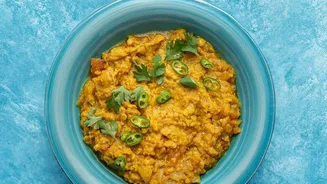
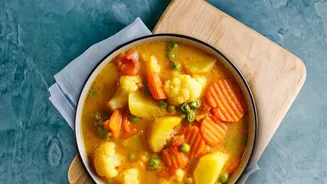
The cornerstone of both diets is a heavy reliance on plants. Traditional Indian meals are fundamentally plant-centric. Legumes are a perfect example. Where the Mediterranean diet features lentils and chickpeas, Indian cuisine boasts an unparalleled diversity of dals (lentils), chana (chickpeas), and rajma (kidney beans). These are not side dishes but often the main event, providing essential protein and fibre. Likewise, a wide variety of vegetables are integral to daily Indian cooking, from leafy greens (saag) to gourds (lauki) and brinjal, forming the base of countless sabzis (vegetable dishes).
A Shared Love for Whole Grains
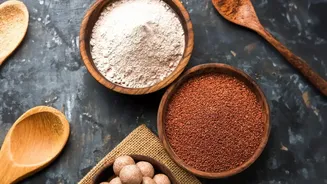
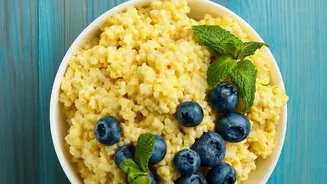
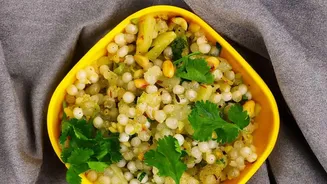
While modern diets in India have seen a rise in refined grains, traditional cooking is rooted in whole grains. The whole wheat flour (atta) used to make roti and chapati is a daily staple, much like whole-grain breads are in Mediterranean regions. Before polished white rice became widespread, a variety of millets like jowar (sorghum) and bajra (pearl millet), along with brown rice, were common. These grains are rich in fibre, which aids digestion, helps manage blood sugar, and promotes a feeling of fullness.
The Goodness of Healthy Fats
The Mediterranean diet is famous for its use of extra virgin olive oil, a healthy monounsaturated fat. While olive oil isn't traditional in India, the principle of using healthy, plant-based fats is. Different regions have their own go-to oils, such as cold-pressed mustard oil in the north and east, which is rich in healthy MUFAs and has a good fatty acid profile. Sesame oil and groundnut oil are also widely used. Even ghee, when used in moderation as it is in traditional home cooking, has a high smoke point and contains fat-soluble vitamins. The key shared principle is the reliance on less-processed fats over refined, industrially produced oils.
Spices and Herbs: Nature's Pharmacy
Mediterranean cooking gets its flavour from fresh herbs and aromatics like garlic. Indian cuisine achieves its incredible depth of flavour through a complex array of spices, which offer potent health benefits. Turmeric, the golden spice in almost every dal and curry, contains curcumin, a compound with powerful anti-inflammatory and antioxidant properties. Cumin and coriander aid digestion, while ginger and garlic are known to support immune function and heart health. Many spices used in Indian cooking, such as cinnamon and cloves, are packed with antioxidants that protect the body from damage. This use of spices for both flavour and wellness is a strong parallel to the Mediterranean use of functional herbs.
Making Mindful Choices
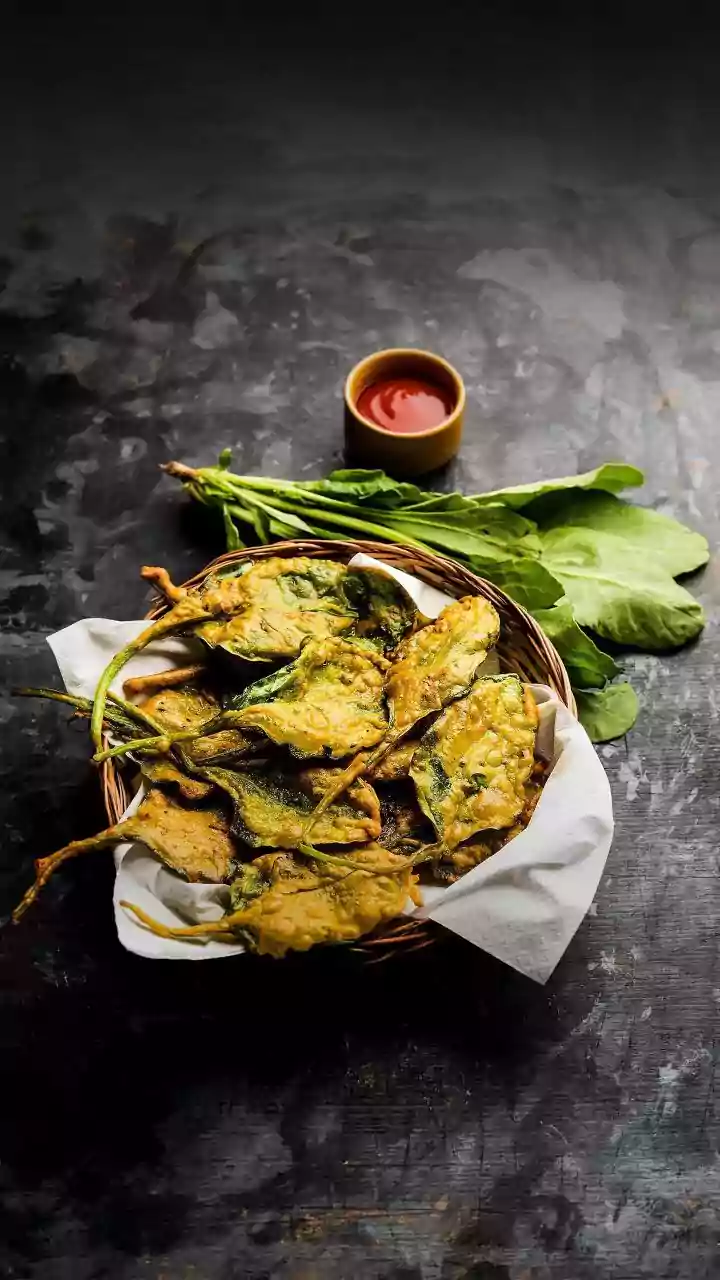
The similarities show that a healthy, balanced diet is not about adopting a foreign cuisine but about embracing the foundational wisdom of our own. The key is to distinguish traditional home cooking from modern dietary habits. The increased consumption of refined flours (maida), sugar, processed snacks, and excessive deep-frying represents a departure from the healthy blueprint of authentic Indian food. By focusing on the core tenets—plenty of vegetables and dal, whole-grain rotis or millets, moderate use of healthy fats, and the magic of spices—you are already practicing a diet that is celebrated worldwide for its life-sustaining benefits.