









The Grand Vision of UDAN
Launched in 2016, the Ude Desh ka Aam Naagrik (UDAN) scheme is one of India's most ambitious connectivity projects. The goal was simple and powerful: to make air travel affordable and accessible, connecting hundreds of under-served and unserved airports
across the country. The scheme works by providing airlines with Viability Gap Funding (VGF), a subsidy to cover losses on routes that are not initially profitable. This support, coupled with capped airfares, aimed to revive dormant airstrips and bring Tier-2 and Tier-3 cities onto the national aviation map, transforming travel for millions. In the years since, the scheme has had notable successes, operationalising hundreds of new routes and giving millions of people their first experience of air travel.
Turbulence on Regional Routes
Despite the initial successes, the UDAN scheme has run into significant economic turbulence. The core issue lies in route sustainability. A 2023 audit by the Comptroller and Auditor General (CAG) revealed a stark reality: of the 774 routes awarded in the first three phases, less than half had commenced operations. Worse, only a small fraction of routes remained operational after the initial three-year subsidy period ended. Many regional airlines have either shut down or scaled back, finding it impossible to turn a profit once government support is withdrawn. The fundamental problem is often a mismatch between the aircraft and passenger demand. Airlines typically deploy 70-seater turboprops like the ATR-72, but many regional routes only have consistent demand for 20-30 passengers. Flying a mostly empty plane is a recipe for financial disaster.
The 'Right-Sizing' Solution
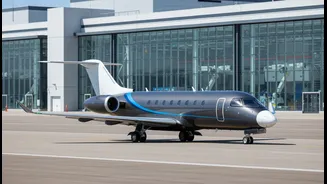
The solution, as many industry experts now argue, is to 'right-size' the aircraft to match the market. Instead of forcing airlines to use larger planes on thin routes, the focus is shifting towards smaller, more economical aircraft. This means deploying 9- to 19-seater planes that are better suited for the actual passenger numbers in smaller towns. These smaller aircraft have significantly lower operating costs, consume less fuel, and can operate from shorter, more basic runways that are common at regional airports. By aligning the aircraft capacity with real-world demand, these planes can make routes financially viable where larger aircraft would fail, even without massive subsidies.
A 'Make in India' Opportunity
The push for smaller aircraft aligns perfectly with the 'Make in India' initiative. India has already made strides in this area. Hindustan Aeronautics Limited (HAL) is producing the Hindustan-Dornier 228, a 17- to 19-seater aircraft that has already been deployed for commercial flights in the Northeast under the UDAN scheme. This aircraft is capable of operating from semi-prepared airstrips, making it ideal for connecting the most remote parts of the country. Furthermore, CSIR-National Aerospace Laboratories is developing the Saras MK II, another indigenous 19-seater aircraft specifically designed for regional connectivity. The successful development and production of these aircraft would not only make the UDAN scheme more sustainable but also create a domestic aerospace manufacturing ecosystem, reducing India's reliance on foreign aircraft and creating skilled jobs.
The Path Forward
Recognising the challenges, the government has launched a modified version of the scheme, dubbed 'Viksit UDAN', with a renewed focus on sustainability. This includes extending the subsidy period to five years and encouraging the use of indigenous aircraft like the Dornier 228. However, challenges remain. Regional carriers still struggle with access to prime slots at major metro airports, which are crucial for feeding traffic into smaller routes. Aircraft financing and leasing also remain significant hurdles for smaller operators. For the regional aviation dream to be fully realised, a holistic approach is needed—one that not only promotes the right-sized aircraft but also builds a supportive ecosystem around them, from easier financing to better airport infrastructure and integration with the larger national network.