



Your Skin's Natural Defence System
Your skin has a protective outer layer known as the skin barrier, or stratum corneum. Think of it as a brick wall: the skin cells are the bricks, and natural oils and fats (lipids) are the mortar holding them together. This barrier is crucial for locking
in moisture and keeping out irritants, allergens, and bacteria. However, frequent washing, especially with hot water and harsh soaps, can strip away these essential lipids. When this 'mortar' is compromised, the skin loses water more easily, leading to dryness, irritation, and a weakened defence against external threats. This process can leave the skin feeling tight, itchy, and vulnerable.
When Bathing Becomes a Burden
For individuals with chronic skin conditions, the impact of over-bathing can be significant. Conditions like eczema (atopic dermatitis) and psoriasis are particularly sensitive to disruptions of the skin barrier. While bathing can help remove irritants, the wrong approach can trigger a flare-up. For psoriasis, daily bathing can help soften and remove scales, but long, hot showers are a known enemy, robbing the skin of moisture and worsening dryness. Similarly, for eczema, while recent studies suggest the frequency of bathing may be less important than the after-care, the method is still key. Using harsh, fragrant soaps, scrubbing the skin, and not moisturising immediately after can all exacerbate symptoms.
The Diagnostic Dilemma
Beyond aggravating existing conditions, frequent or vigorous washing can also make it difficult for a doctor to diagnose a skin issue. Many rashes have a characteristic pattern, distribution, or surface texture (like scaling or crusting) that provides crucial clues for a dermatologist. If a patient repeatedly washes a rash, they may unintentionally remove these signs, essentially 'cleaning away' the evidence. This can obscure the true nature of the condition, making an accurate diagnosis more challenging. A dermatologist gets the best look at a rash in its natural state, which is why it's important to see a professional if a skin issue persists.
How to Bathe Smarter
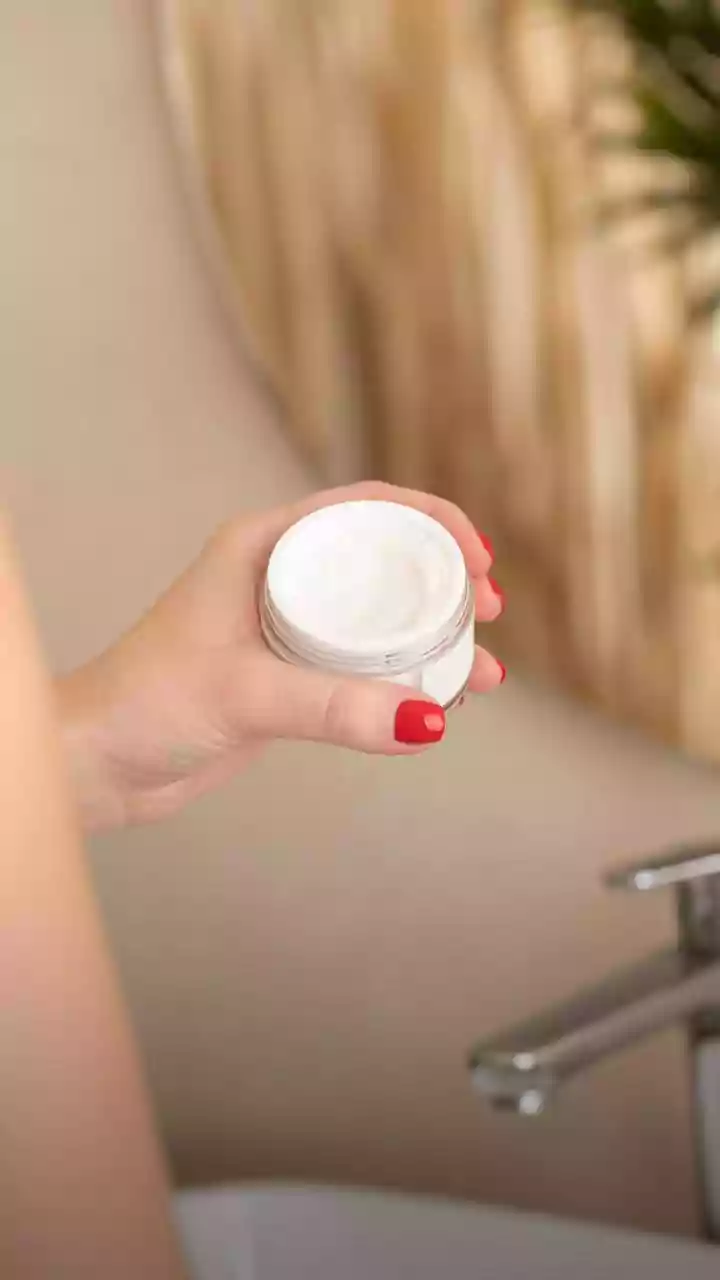
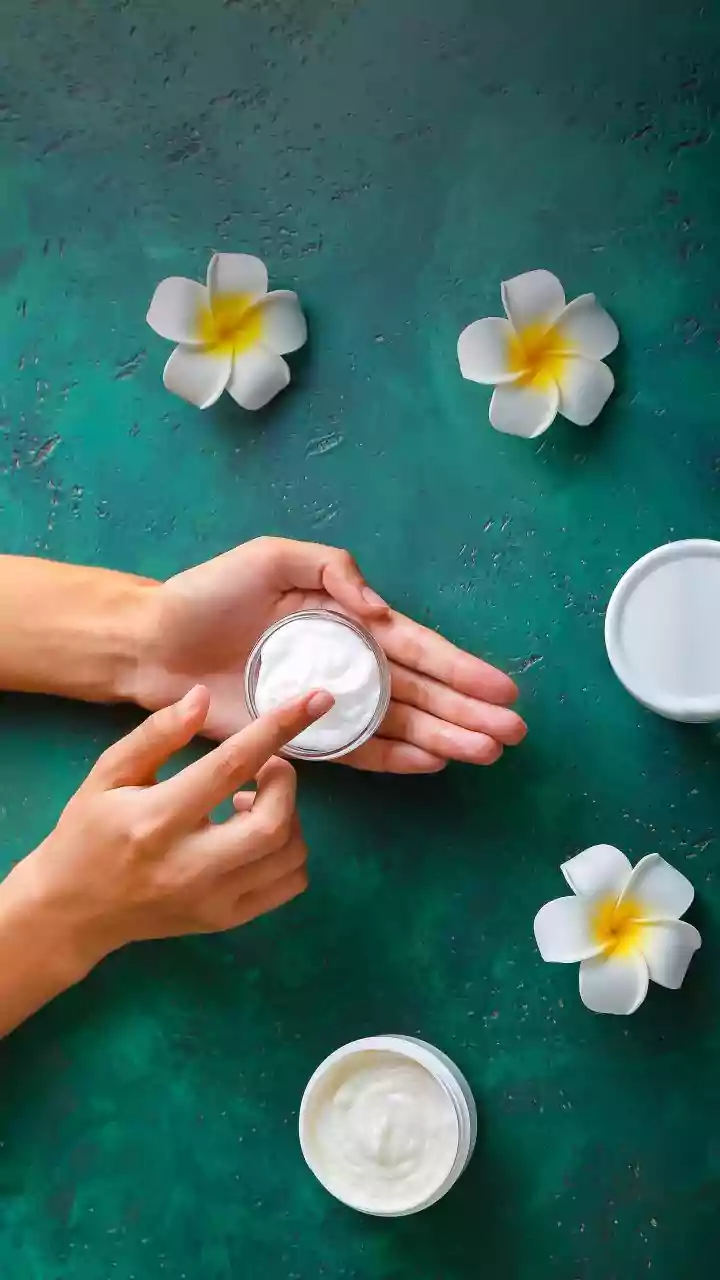
The goal isn't to stop bathing, but to adopt habits that protect your skin. Dermatologists recommend a smarter approach. First, turn down the heat; lukewarm water is much gentler on the skin than hot water. Limit your time in the water to about five to fifteen minutes. Choose gentle, fragrance-free cleansers over harsh, antibacterial, or deodorant soaps that can be drying. Avoid aggressive scrubbing with loofahs or washcloths, which can irritate sensitive skin; using your hands is often sufficient. Finally, and perhaps most importantly, moisturise immediately after bathing. Pat your skin gently with a towel, leaving it slightly damp, and apply a thick, fragrance-free cream or ointment to lock in hydration.