





The Science of a Rainy Day Craving
That near-instinctive desire for something hot, crunchy, and often oily when it rains isn't just in your head. It’s a mix of culture and science. The drop in temperature and grey skies can cause a slight dip in serotonin, our mood-regulating hormone.
Your brain seeks a quick pick-me-up, which fatty, salty, and carb-rich foods provide by triggering a dopamine release. Furthermore, the body instinctively wants warm, energy-dense foods to counteract the damp chill. On a cultural level, generations of Indians have associated chai and pakoras with the comfort of a rainy day, creating a powerful conditioned response. The combination of a crispy texture against the damp weather and the warmth of the snack is a deeply satisfying sensory experience.
The Steamed and Satisfying Route
Before you heat up a kadai of oil, consider the steamer. Steamed snacks are light, flavourful, and easy on the digestive system, which can be sluggish during the humid monsoon season. Think of fluffy, tangy Khaman Dhokla from Gujarat, perfectly spiced and topped with a tempering of mustard seeds and curry leaves. Or consider soft, pillowy Idlis from the South, which are incredibly versatile and can be enjoyed with sambar or a spicy podi masala. Even the popular street-food favourite, momos, offer a juicy, non-greasy alternative that pairs perfectly with a spicy dip. For a more regional delight, Himachali Siddu, a steamed bread stuffed with fillings like poppy seeds or walnuts, provides a hearty and wholesome option.
Baked to Crispy Perfection
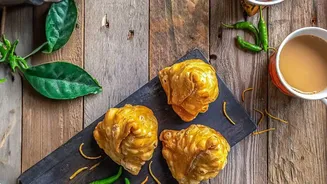
Baking is another fantastic way to cut down on oil without sacrificing the crunch. A baked samosa, for instance, can slash the calorie count by nearly half compared to its deep-fried counterpart. While a traditional fried samosa can contain 200-260 calories, a baked version often comes in at around 100-150 calories. The same principle applies to other favourites. You can make baked mathri, baked dal kachori, and even baked versions of vada pav patties. Potato wedges, seasoned with garlic and herbs and baked until golden, offer a healthier alternative to French fries. The key is using dry, high heat to achieve a satisfyingly crisp exterior.
The Modern Magic of the Air Fryer
The air fryer has become a game-changer for health-conscious snack lovers. It uses circulating hot air to mimic the effects of deep-frying with up to 80% less oil. This means you can enjoy crispy pakoras, aloo tikkis, and even samosas with a fraction of the fat. An air-fried samosa might have 180-220 calories, significantly less than the deep-fried version, while still delivering a satisfying crunch. You can air-fry everything from masala peanuts to vegetable cutlets, making it a versatile tool for monsoon snacking. Paneer tikka and other marinated snacks also cook beautifully in an air fryer, getting a slight char without the need for a grill.
Embracing the Balance
Choosing healthier options doesn't mean you must banish fried food forever. The goal is balance, not deprivation. An occasional plate of homemade pakoras, fried in fresh oil at the right temperature to minimise absorption, is perfectly fine. The problem arises when deep-fried food becomes the daily default. By building a wider repertoire of snacks, you can make the classic fried treats a more mindful indulgence. You can pair a small portion of fried snacks with lighter options like roasted makhana (fox nuts) or a warm sprout chaat. Remember to always cook sprouts during the monsoon to avoid food-borne illnesses. Ultimately, enjoying monsoon snacks is about comfort and pleasure, and a balanced approach ensures it remains a healthy and happy ritual.