






What is the Vandarshan Plan?
Launched on International Tiger Day 2026, the Vandarshan plan is a landmark collaboration between the Maharashtra Forest Department and IRCTC Tourism. The core idea is to solve a major headache for wildlife enthusiasts: the complex and often frustrating
process of booking a safari trip. Vandarshan bundles train travel, hotel stays, local road transport, and, most importantly, confirmed safari permits into a single, all-inclusive package. The initial packages are structured as four-night, five-day trips departing from Mumbai CSMT on the Vidarbha Express. The goal is to make the state’s world-class wildlife destinations more accessible, promoting conservation awareness and sustainable tourism while simplifying logistics for travellers.
Which Parks Are Actually Included?
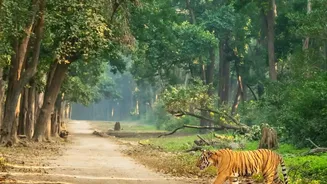
While Maharashtra is home to six official tiger reserves, the initial phase of the Vandarshan plan includes four of them, not all six as some early reports suggested. The four tiger reserves are the renowned Tadoba-Andhari Tiger Reserve, Pench Tiger Reserve, Bor Tiger Reserve, and Nawegaon-Nagzira Tiger Reserve. To round out the six wildlife destinations, the plan also includes two important wildlife sanctuaries: Umred-Karhandla and Tipeshwar. The two tiger reserves not currently part of the Vandarshan rail packages are Melghat, one of India's original Project Tiger sites, and Sahyadri, the state's only tiger reserve in the Western Ghats. Their exclusion is largely logistical, as they are not located along the Vidarbha rail corridor that forms the backbone of the current itineraries.
Balancing Tourism with Conservation
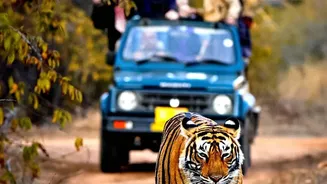
The Vandarshan plan represents a delicate balancing act. On one hand, it aims to significantly boost tourism, which officials hope will generate revenue and create green livelihoods for local communities. On the other, there is a clear risk that making these sensitive habitats more accessible could lead to overcrowding and environmental stress. State officials have emphasized that the initiative is built on a foundation of sustainable principles, including environmental conservation and community participation. A key strategy is to develop and promote tourism in the buffer zones surrounding the core forest areas, which helps distribute visitors and reduce pressure on the most critical wildlife habitats. The success of the plan will hinge on disciplined enforcement of visitor quotas and regulations to ensure the primary goal remains the protection of Maharashtra's tiger population, which stood at 444 in the 2022 census.
The Impact on Local Communities
A central pillar of the Vandarshan initiative is its focus on community empowerment. For years, the state has worked on mitigating human-animal conflict in villages near tiger reserves, including relocating settlements from core forest areas and implementing AI-based early warning systems. The new plan builds on this by creating economic incentives for conservation. By channelling tourism into these regions, the government aims to create a host of employment opportunities for local residents. These roles include becoming trained safari guides, operating homestays, providing transport services, and selling local crafts. This model turns villagers into stakeholders in wildlife protection, creating a powerful link between a thriving tiger population and the economic well-being of the surrounding communities.