




The Magic of an Emulsion
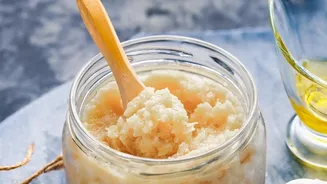
At its core, Toum is an emulsion: a mixture of two liquids that normally don't mix, like oil and water. Think of a simple vinaigrette. You can shake oil and vinegar together, but they will quickly separate. To create a stable, creamy sauce like mayonnaise,
you need an emulsifier—a special ingredient that acts as a bridge, holding the oil and water molecules together. In mayonnaise, that job belongs to the lecithin found in egg yolks. But Toum, a vegan-friendly sauce, has a different trick up its sleeve. Its power comes from its main ingredient: garlic.
Garlic's Hidden Superpower
Garlic is more than just a flavour powerhouse; it's a surprisingly effective emulsifying agent. When garlic cloves are crushed or blended, their cell walls break down, releasing a host of compounds. Among these are proteins and natural surfactants like allicin, the same compound responsible for garlic's sharp aroma. These molecules have a unique structure: one end is attracted to water (hydrophilic) and the other is attracted to oil (hydrophobic). By grabbing onto both the oil droplets and the water-based liquid (lemon juice), they suspend the oil evenly, creating a thick, stable, and creamy sauce from just a few simple ingredients.
Technique is Everything
Unlocking garlic's emulsifying power requires a specific technique. You can't just dump all the ingredients in a blender and hope for the best. The key is to add the oil incredibly slowly, especially at the beginning. By starting with a paste of garlic, salt, and lemon juice, you create a strong base. Then, the neutral-flavoured oil (olive oil is often too strong and can make the toum bitter) must be drizzled in, almost drop by drop. This gradual introduction allows the garlic's emulsifiers to grab onto each tiny oil droplet and incorporate it into the mixture. Adding the oil too quickly will overwhelm the system and cause the emulsion to "break," resulting in a separated, oily mess.
The Supporting Cast
While garlic is the star of the show, lemon juice and salt play crucial supporting roles. The fresh lemon juice not only provides the water needed for the emulsion but also adds a necessary brightness that cuts through the richness of the oil and the intensity of the raw garlic. The acidity helps to break down the garlic further, releasing more of those essential emulsifying compounds. Salt, meanwhile, isn't just for flavour. It acts as an abrasive when blending the garlic, helping to create a finer paste, and it also draws moisture out of the garlic cells. Some recipes even call for a small amount of ice water to help keep the mixture from overheating in the food processor and to create an even fluffier final product.