







The Magic of Going Vertical
When floor space is scarce, the only way to grow is up. Vertical gardening is the key to maximising a small balcony. It draws the eye upward, creating an illusion of height and abundance without cluttering your limited footprint. By using walls and railings,
you can cultivate a 'living wall' that transforms a plain backdrop into a vibrant tapestry of leaves and flowers. This approach not only saves space but also improves air circulation around plants, which is crucial for keeping them healthy in a compact environment.
Choosing Your Vertical Structure
The right planter is essential for a successful vertical garden. Railing planters are a no-fuss starting point, sitting securely on your balcony's edge and using zero floor space. For a more dramatic effect, modular wall panels allow you to create a dense green wall. Stackable towers are another excellent option, offering multiple tiers of planting space on the footprint of a single pot, ideal for growing herbs or strawberries. When choosing, consider materials carefully. High-quality plastic is lightweight and weather-resistant, while metal planters with a rust-resistant coating offer durability and a modern look. Always ensure any planter has adequate drainage holes to prevent waterlogging, especially during the monsoon season.
Seasonal Strategy for Year-Round Colour
A truly lush garden offers visual interest throughout the year. The key is to select plants that thrive in India's distinct seasons. Instead of planting everything at once, plan for a succession of blooms that will keep your balcony vibrant from the winter chill to the summer heat and through the monsoon rains. This ensures you always have something flowering, preventing the 'all or nothing' look where a garden is stunning for two months and bare for the rest of the year. Understanding your balcony's sunlight exposure is the first step—some plants need full sun, while others prefer partial shade.
Vibrant Winter Blooms (October - February)
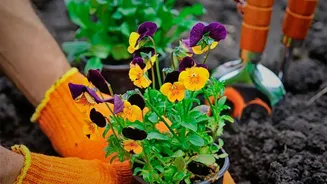
India's mild winters are perfect for a host of colourful flowers. Marigolds are a classic choice, easy to grow and blooming profusely in cheerful yellows and oranges. Petunias are another winter favourite, cascading beautifully from hanging baskets and railing planters in shades of pink, purple, and white. For shadier spots, Pansies offer charming 'faces' in various colours. Dianthus adds a lovely clove-like fragrance, while Alyssum creates a delicate, honey-scented carpet of tiny white flowers.
Hardy Summer Stars (March - June)
Indian summers demand tough, heat-tolerant plants. Hibiscus, known as the 'queen of summer', thrives in the heat and produces large, stunning blooms. Portulaca, or moss rose, is another fantastic option that loves the sun and requires minimal water, offering a carpet of bright, jewel-toned flowers. Vinca (Periwinkle) is incredibly low-maintenance and blooms continuously even in peak summer. For a fragrant touch, the Motia or Mogra (Arabian Jasmine) releases its intoxicating scent in the evenings.
Lush Monsoon Marvels (July - September)
The rainy season brings its own set of floral stars that adore the humidity. Balsam (Gulmehndi) is a classic monsoon flower, producing soft blooms in pink, purple, and white. Rain Lilies live up to their name, often sprouting elegant flowers almost overnight after a shower. Zinnias are another sun-loving flower that stands up well to rain, attracting butterflies with their bold, daisy-like blooms. Bougainvillea, while a year-round bloomer, puts on a spectacular show during the monsoon, with its resilient bracts adding a splash of vibrant colour.
Design Tricks for a Fuller Look
Beyond plant selection, a few design principles can amplify the feeling of lushness. Create layers by using plant stands and tiered shelving to place pots at different heights. Use a mix of plant types: 'thrillers' (tall, structural plants), 'fillers' (mounding plants that fill space), and 'spillers' (trailing plants that cascade over the edges of pots). This classic container gardening formula creates a visually dense and dynamic arrangement. Incorporate plants with interesting foliage, not just flowers, to add texture and ensure your garden looks great even between blooming cycles.