


The Soul of Andhra Breakfast
Pesarattu Upma is more than just a dish; it's a celebrated breakfast tradition from Andhra Pradesh. The name itself tells the story: 'Pesara' refers to the whole green moong dal used for the crepe (attu), and 'Upma' is the savoury semolina filling tucked
inside. While a plain pesarattu is delicious, the combination with a soft upma filling, topped with crunchy onions and fiery ginger, elevates it to something special. It’s a protein-packed, nutritious, and incredibly satisfying meal that has become a beloved fixture in homes and restaurants, famously known as 'MLA Pesarattu' in some canteens due to its popularity.
Key Ingredients for Authenticity
For the Pesarattu Batter: - 2 cups Whole Green Moong Dal (Pesalu) - 2 tbsp Raw Rice (for crispiness) - 1-inch piece of Ginger - 2-3 Green Chillies - 1 tsp Cumin Seeds - Salt to taste - Water for grinding For the Upma Filling: - 1 cup Rava (Semolina/Sooji), preferably fine - 1 small Onion, finely chopped - 1-2 Green Chillies, chopped - ½ inch Ginger, grated - Standard tempering ingredients: Mustard seeds, Urad dal, Curry leaves - 2.5 cups Water - Salt to taste - Oil or Ghee For the Topping: - 1 large Onion, very finely chopped - ½ inch Ginger, minced (optional) - 1 tsp Cumin Seeds
Mastering the Pesarattu Batter
The secret to a crispy, street-style pesarattu lies in the batter. First, rinse the whole green moong dal and rice thoroughly. Soak them in ample water for about 4 to 6 hours. Avoid over-soaking, as this can make the dosa soft instead of crisp. After soaking, drain the water completely. Transfer the dal and rice to a blender along with fresh ginger, green chillies, and cumin seeds. Grind to a smooth, thick batter, adding water sparingly. The consistency should be pourable but not runny, similar to a standard dosa batter. Unlike other dosas, pesarattu batter does not need to be fermented and can be used immediately.
Crafting the Perfect Upma Filling
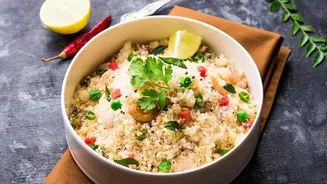
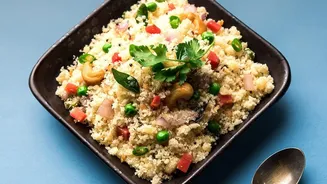
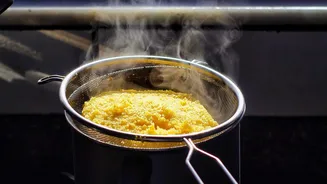
The upma for this dish is intentionally simple to complement the pesarattu. Heat a little oil or ghee in a pan and add the tempering ingredients. Once the mustard seeds splutter, add the chopped onion, green chillies, and ginger, sautéing until the onions turn translucent. Then, add the water and salt, bringing it to a rolling boil. Lower the heat and slowly pour in the rava while stirring continuously to prevent lumps. Cook until the upma thickens and is cooked through. The upma should be soft but hold its shape. Set it aside while you prepare the pesarattu.
Bringing it All Together, Street-Style
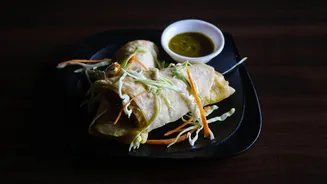
Heat a flat tawa or griddle over medium heat; a cast-iron tawa gives the most authentic results. To check if it's hot enough, sprinkle a few drops of water—they should sizzle immediately. Pour a ladleful of the pesarattu batter onto the center and spread it quickly into a thin, even circle. Drizzle oil or ghee around the edges and on top. Sprinkle a generous amount of finely chopped raw onions and a few cumin seeds over the surface, gently pressing them into the batter with a spatula. Cook on medium-low heat until the underside is golden brown and the edges begin to lift from the pan. This slow cooking is key to its crispiness. Don't rush it. Once crisp, spoon a portion of the prepared upma onto one half of the pesarattu, fold it over, and press down gently.
The Essential Side: Allam Pachadi
No Pesarattu Upma experience is complete without Allam Pachadi, a spicy and tangy ginger chutney that cuts through the richness of the dish. It’s typically made by grinding fresh ginger with tamarind, jaggery, red chillies, and a few spices like urad dal. The combination of spicy, sweet, and sour notes from the chutney perfectly complements the earthy flavour of the moong dal crepe and the savoury upma. You can find many simple recipes online or a good quality store-bought version. Serving this alongside your homemade Pesarattu Upma is what will truly transport you to the streets of Andhra.