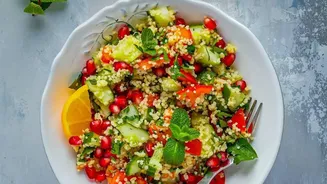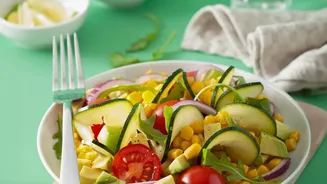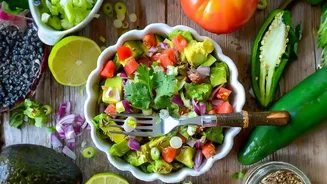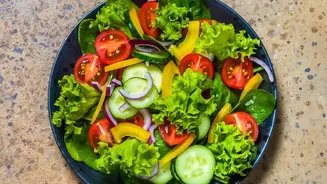







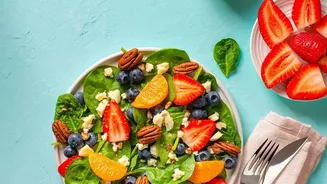
In the quest for quick and healthy meals, the tub of pre-chopped onions or the bag of mixed greens seems like a miracle. But is this convenience worth the extra cost? Let's break down the real pros and cons of using pre-cut vegetables.
The Undeniable Pull of Convenience
The primary reason
anyone reaches for pre-cut vegetables is to save time. For a 15-minute salad, skipping the washing, peeling, and chopping can feel like a superpower. This convenience is not just a luxury for the busy professional; it can be a genuine accessibility aid for individuals with limited mobility, arthritis, or other conditions that make extensive knife work difficult. By removing the biggest barrier to entry—prep time—pre-cut produce can significantly increase the likelihood of people incorporating more vegetables into their diet. After all, a slightly less nutritious vegetable that you actually eat is far better than a whole one that rots in the crisper drawer.
Weighing the Financial Cost
That convenience comes at a price. Pre-cut vegetables are almost always more expensive per unit of weight than their whole counterparts. The markup covers the cost of labour, processing, packaging, and refrigeration required to get them to the shelf. However, the financial calculation isn't always straightforward. When you buy whole produce, you're also paying for peels, cores, and stems that you'll discard. With pre-cut options, you're paying for 100% usable product. Furthermore, buying a small container of pre-cut butternut squash for one recipe can prevent the food waste of buying a whole squash you can't finish. For many, the time saved is a valuable commodity that justifies the extra expense.
The Nutritional Trade-Off
Here lies the biggest debate: are pre-cut vegetables less healthy? The moment a vegetable is cut, it begins to lose certain nutrients. The protective skin is broken, and exposure to oxygen, light, and heat accelerates the degradation of more sensitive vitamins, particularly vitamin C and some B vitamins. Studies have shown that vitamin C levels can be significantly lower in pre-cut produce compared to whole versions, especially after several days of storage. However, for many other nutrients, the loss is minimal. Experts generally agree that while there is some nutrient loss, pre-cut vegetables remain a healthy and nutritious option. The key is to use them quickly, as nutrient levels begin to drop more significantly after about five or six days.
A Note on Safety and Freshness
Cutting produce removes its natural protective barrier, creating more surface area for bacteria to grow. To ensure safety, commercial processors wash vegetables thoroughly, often in a chlorinated water solution, to kill pathogens like Salmonella and E. coli. The produce is then often packaged using 'modified atmosphere packaging', which adjusts the gas levels inside the bag to slow down decay and maintain a fresh appearance. While this process is generally safe, it's crucial for consumers to handle pre-cut veggies with care. Always buy them from a refrigerated section, check the 'use-by' date, and store them properly in the fridge. Though most products are 'ready to eat', giving them a quick rinse at home before adding them to your salad is never a bad idea.
Making the Right Choice for You
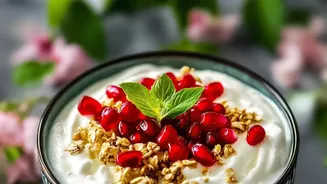
Ultimately, there's no single right answer. Pre-cut vegetables are a tool, and their value depends on your personal circumstances. If you're short on time or find prep work challenging, they can be a fantastic way to eat healthier. They are particularly useful for tough-to-handle items like pumpkins, pomegranates, or even pineapple. If you prioritise budget and maximum nutritional content, and you don't mind the prep work, buying whole is likely your best bet. The smartest approach is often a hybrid one: buy whole vegetables for your weekend cooking when you have more time, and rely on pre-cut helpers for quick weekday meals like that 15-minute salad.