






The 'Slime' with Substance
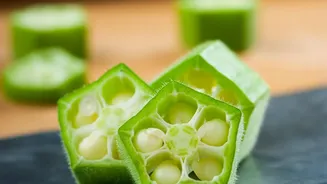
That gooey substance you find inside an okra pod, the one that can make it tricky to cook with, is called mucilage. It’s a gel-like mixture of natural sugars called polysaccharides, along with proteins and minerals. This natural goo is not unique to okra;
it's also found in plants like aloe vera and flaxseed. Its primary job in the plant is to store water and food. For centuries, traditional medicine has used okra for various ailments, leveraging the soothing properties of its mucilage for issues like stomach irritation. Now, the beauty world is taking notice, wondering if these same properties can benefit our skin.
Unpacking the Scientific Potential
The interest in okra isn't just based on social media hype; there's emerging science to back some of it up. Okra mucilage is rich in antioxidants like flavonoids and Vitamin C. Antioxidants help protect our skin from damage caused by free radicals, which contribute to premature aging. The polysaccharides in the mucilage are excellent humectants, meaning they can draw moisture into the skin and hold it there, providing deep hydration. Some studies suggest okra extracts can soothe inflammation, boost collagen production, and even offer some protection against UV damage. These properties make it a very attractive ingredient for anti-aging and hydrating skincare formulations.
The Allure of the At-Home Facial
Given this promising profile, it's no surprise that DIY okra face masks have become a viral trend. The logic seems simple: if the ingredient is good, why not apply it directly from the source? Proponents of these at-home treatments are drawn to the idea of using a 'natural,' single-ingredient solution that is affordable and readily available in the kitchen. The immediate slimy texture feels hydrating, and the process seems like a wholesome, back-to-basics approach to beauty. However, the journey from a garden vegetable to a beneficial skincare treatment is more complex than simply slicing open a pod.
A Reality Check from Dermatologists
Here's where the 'results will vary' part of the headline becomes critical. Dermatologists consistently advise caution when applying raw food products directly to your face. Firstly, there's the risk of contamination. Raw vegetables can carry bacteria or pesticides that you don't want on your skin, which could lead to breakouts or infections. Secondly, you could have an allergic reaction. Just because you can eat an ingredient doesn't mean your skin will tolerate it topically. Applying raw vegetables can cause contact dermatitis, redness, and irritation for some individuals. Finally, the concentration and stability of the beneficial compounds in a raw okra pod are completely unknown, meaning you may get little to no benefit at all.
Why Professional Formulation Is Key
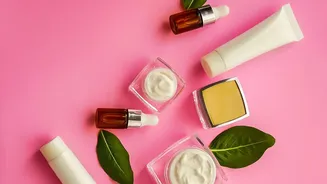
When a cosmetic company uses a plant extract, it’s not just grinding up the plant and putting it in a jar. Cosmetic scientists isolate, purify, and concentrate the specific beneficial compounds. They formulate the product at the correct pH for your skin, ensuring the active ingredients can be absorbed effectively without causing irritation. Most importantly, they add preservatives to keep the product stable and free from harmful bacteria, mould, and yeast growth. A professionally formulated serum containing okra extract is a world away from a DIY mask. It delivers the potential benefits of okra in a format that is safe, stable, and designed to work with your skin.