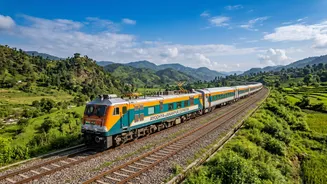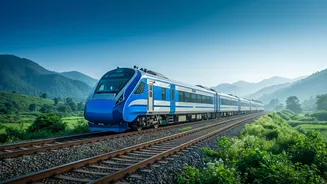








In a move that reinforces ancient cultural ties with modern infrastructure, a new weekly train service is set to connect two of South Asia’s most sacred cities. This railway line between Ayodhya, India, and Janakpur, Nepal, is much more than tracks and carriages;
it represents a bridge of faith for millions.
The Inaugural Journey
The new cross-border train, named the Saryu-Kamala Express, was virtually flagged off by Indian Prime Minister Narendra Modi and his Nepalese counterpart, Balendra Shah, on November 23, 2026. While this inaugural run marked the ceremonial start, regular weekly services for the public are scheduled to commence on November 28. The launch is a landmark event, creating a direct and accessible travel corridor for pilgrims, tourists, and families between the two nations, and is expected to significantly enhance people-to-people connections.
A Bridge Between Sacred Cities
The significance of this train service is rooted in the Ramayana. Ayodhya, in Uttar Pradesh, is revered by Hindus as the birthplace of Lord Ram, while Janakpur, in Nepal, is worshipped as the birthplace of Goddess Sita. For countless devotees, a pilgrimage to Ayodhya has often felt incomplete without paying homage in Janakpur, the ancient capital of the Mithila kingdom ruled by King Janak. This train physically connects the two most important sites in the lives of Ram and Sita, transforming a journey that once required multiple modes of transport into a seamless spiritual expedition. It is a contemporary expression of a shared civilisational heritage that has long united the people of India and Nepal.
Route, Schedule, and Key Details
The Saryu-Kamala Express will operate as a weekly service. According to the schedule, the train will depart from Ayodhya Cantt. every Monday evening and from Janakpur Dham every Saturday afternoon. The journey covers a distance of approximately 604 kilometres and is expected to take around 19 hours. The route passes through key towns in Uttar Pradesh and Bihar, with 10 commercial stoppages including Jaynagar, Sitamarhi, Raxaul, Narkatiaganj, and Gorakhpur, before reaching its destinations. The train itself is composed of modern LHB coaches, featuring both air-conditioned and sleeper-class compartments to cater to different budgets.
Boosting the Ramayana Circuit
This new connection is a major boost for the Ramayana Circuit, an ambitious initiative by the Indian government under the Swadesh Darshan scheme to develop and connect key sites associated with the epic. By providing a direct link to Janakpur, the circuit now more formally extends into Nepal, acknowledging the cross-border geography of the ancient narrative. Tourists and pilgrims can now more easily complete a comprehensive tour of places central to the Ramayana. The service is operated under the Bharat Gaurav tourist train scheme, which aims to promote domestic and religious tourism.
More Than Just a Pilgrimage
While the primary focus is on religious tourism, the Ayodhya-Janakpur train is expected to have a much broader impact. Officials believe the enhanced connectivity will facilitate travel for business, education, and family visits, strengthening the deep-rooted social ties that exist across the open border. Local economies along the route in both India and Nepal are also poised to benefit from the influx of travellers, creating new opportunities for hotels, restaurants, transport operators, and artisans. The railway is a symbol of the deepening cooperation between India and Nepal, reflecting a shared commitment to regional infrastructure development.