


What is Colour-Blocking in Decor?
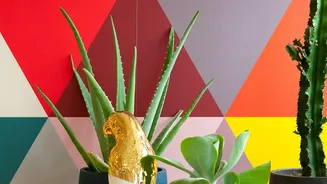
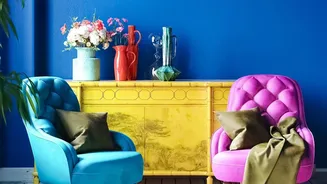
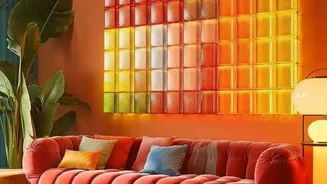
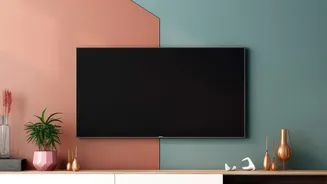
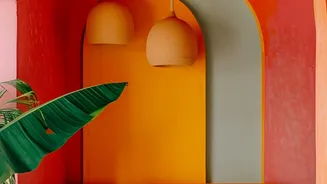
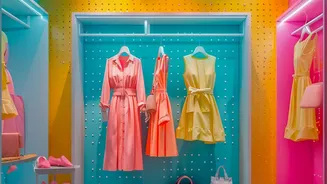
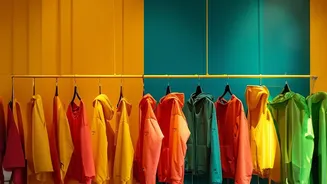
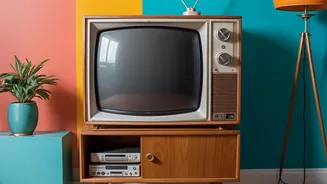
First popularised in fashion, colour-blocking has become a powerful tool in interior design. At its core, it's the practice of using two or more solid blocks of colour next to each other. Instead of intricate patterns or subtle gradients, this technique
relies on clean lines and distinct geometric shapes to make a statement. Think of it as painting with shapes. You can colour-block an entire wall, a piece of furniture, or, most accessibly, a piece of wall art. The goal is to create a composition that feels intentional and architectural, where the blocks of colour themselves define the structure and mood of the space. It’s a versatile approach that can be used to highlight a room's features, create a focal point, or even visually separate zones in an open-plan home.
The Underrated Power of Negative Space
The true magic of successful colour-blocked art lies not just in the colours you choose, but in the space you leave empty. This is called negative space—the area around and between the main subjects of your artwork. Far from being just a blank background, negative space is an active and essential part of the design. It gives the viewer’s eyes a place to rest, making the colours appear more vibrant and the shapes more defined. This visual breathing room creates balance and prevents the composition from feeling chaotic. An artwork with well-used negative space feels calm, confident, and complete. It draws attention to the main subject and can make a single piece of art feel more powerful than a crowded gallery wall. It’s the silence between the notes that makes the music beautiful.
Choosing a Palette for Indian Homes
The key to sophisticated colour-blocking is a limited, well-chosen palette, usually two to three colours paired with a neutral like warm white, beige, or grey. For Indian homes, which often feature warm lighting and rich wooden furniture, certain combinations work exceptionally well. Earthy palettes featuring terracotta, sage green, and mustard yellow feel both modern and grounded. These tones connect the indoors with nature and resonate with our cultural heritage. For a more luxe and regal feel, consider jewel tones. A deep teal or navy blue paired with a soft cream or a dusty rose can create an atmosphere of sophisticated calm. When choosing, consider the mood you want to create. Analogous colours (those next to each other on the colour wheel, like blue and green) are harmonious, while complementary colours (opposites, like blue and orange) create high-impact drama.
DIY Project: Create Your Own Art
Creating your own colour-blocked canvas art is a surprisingly simple and rewarding DIY project. All you need is a blank canvas, a few sample pots of your chosen paints, painter's tape, and brushes. Start by planning your design. You can sketch it on paper first, thinking about geometric shapes like rectangles, arches, or triangles. Apply painter's tape to the canvas to create sharp, clean lines for your shapes. Paint one section at a time, allowing it to dry completely before you remove the tape and start the next section to avoid smudging. Applying two coats of paint will ensure a rich, solid colour. Don't be afraid to leave a significant portion of the canvas in its original neutral state—that’s your negative space at work.
Where and How to Display Your Art
Placement is crucial for maximising the impact of your colour-blocked art. A large piece hung above a sofa in the living room or a headboard in the bedroom can serve as a stunning focal point. In this case, let the artwork be the hero by keeping the surrounding decor relatively simple. The negative space within the art will be echoed by the wall space around it, making it feel deliberate and impactful. You could also create a gallery wall, mixing one or two colour-blocked pieces with simpler line art or photography. The key is to ensure the negative space in the bolder pieces provides a visual pause, preventing the wall from looking cluttered. This technique is also perfect for enlivening transitional spaces like hallways or entryways, injecting personality into an often-overlooked area.