






The Power of the Shared Meal
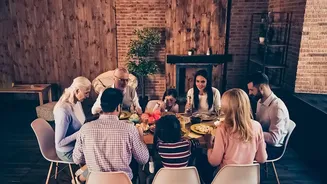
The simple act of gathering for a meal is one of the most powerful tools for family bonding. It’s not about serving a gourmet feast; it’s about creating a predictable pause in the day to reconnect. Research consistently shows that regular family meals
have a profound impact on well-being. They provide a safe space for open dialogue, allowing family members to share triumphs and troubles in a relaxed environment. This daily check-in fosters a sense of security and belonging. Studies link frequent family dinners to lower rates of anxiety and depression in adolescents and improved stress levels for the whole family. By putting away screens and focusing on each other, families can transform mealtime from a simple necessity into a vital moment of connection that nourishes relationships as much as it does bodies.
Building Your Own Small Traditions
Beyond mealtime, small, recurring rituals create a unique family culture and a powerful sense of identity. These traditions don't need to be elaborate; they simply need to be meaningful to you. It could be a Sunday morning walk, a special handshake, a weekly movie night, or a specific way of celebrating small achievements. These repeated, positive experiences become anchors in a child's life, providing predictability and emotional safety, especially during times of stress or change. Rituals help children feel they belong to something special and unique. They reinforce family values and create a shared history filled with inside jokes and cherished memories. The key is consistency. A simple bedtime story read every night can build a stronger bond than a once-for-year vacation because it provides a reliable point of connection.
The Value of Group Gatherings
While small routines are the bedrock of daily connection, there is also immense value in time spent together as a whole family unit. Group activities, whether it’s playing a board game, cooking a meal together, or visiting relatives, help build a collective identity. These moments teach cooperation, teamwork, and the art of navigating group dynamics. They are where larger family narratives are formed and shared values are demonstrated. Celebrating holidays or birthdays together, for example, reinforces a family’s history and sense of continuity. These gatherings create a broader sense of belonging, reminding each member that they are part of a team. It’s during these times that family-wide memories are made, strengthening the emotional fabric that holds everyone together.
The Underrated Magic of One-to-One Time
Just as group time builds a collective spirit, dedicated one-to-one time is essential for deepening individual relationships within the family. Spending quality time alone with a child, a partner, or a parent creates a space for conversations that might not happen in a group setting. This undivided attention sends a powerful message: “You are important to me.” For children, this focused time is crucial for building self-esteem and a secure attachment. It allows them to express themselves without competing for attention, fostering open communication and trust. This doesn’t require grand outings; it can be just 15 minutes of focused play, a walk around the block, or a quiet chat before bed. These moments allow you to see each family member as an individual, understanding their unique personality, interests, and needs.