
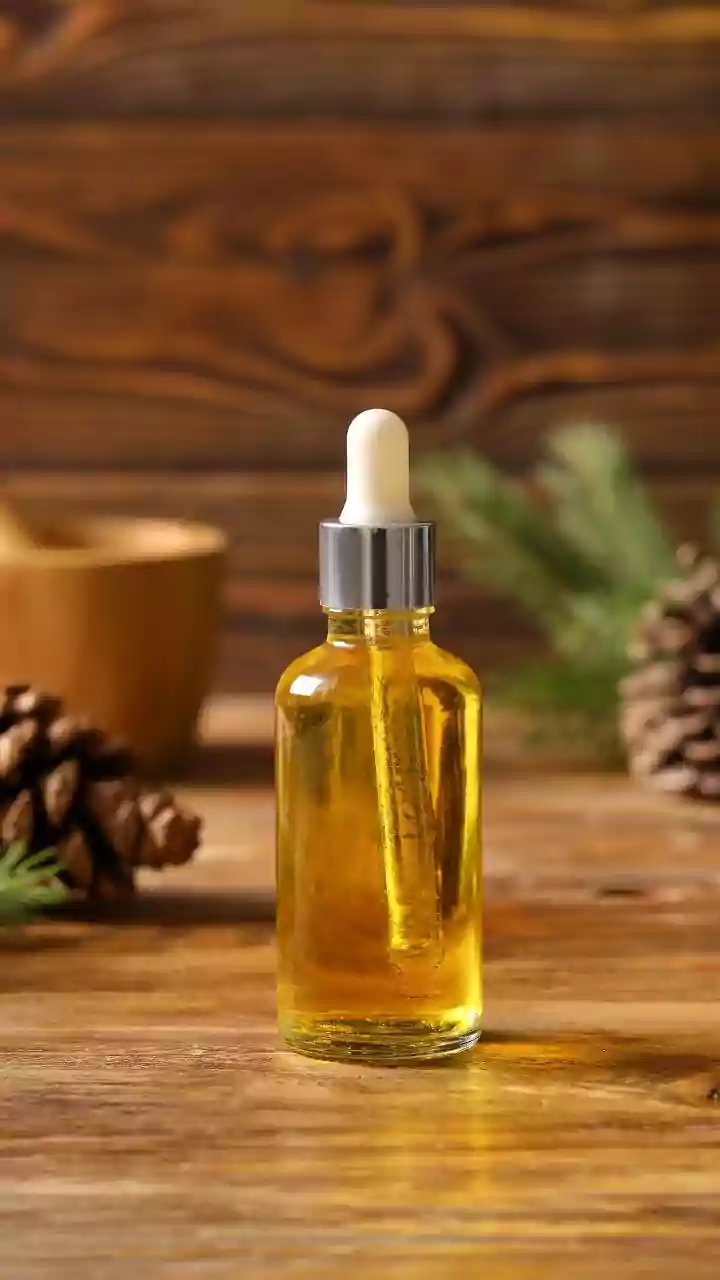





The Tradition and The Promise
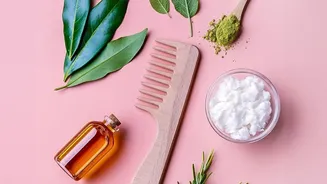
For generations, the secret to strong, healthy hair has been passed down in the form of hair oiling. It's a practice steeped in Ayurvedic tradition and familial care, where massaging oil into the scalp is seen as a cure-all for everything from dryness
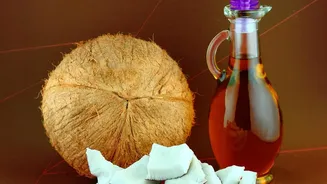
to hair fall. The promise is alluring: that regular oiling is the direct path to making hair grow longer and faster. This belief is so ingrained that a bottle of coconut or amla oil is a staple in most Indian households, viewed not just as a conditioner but as a growth stimulant.
What Hair Oils Genuinely Do for Your Hair
So, what’s happening when you apply oil to your hair? Primarily, oils are excellent conditioners. They are rich in fatty acids that help replenish lipids within the hair shaft, which are often stripped away by styling, chemical treatments, and pollution. This does a few great things for your existing hair. First, it seals the hair cuticle, which helps to lock in moisture, reduce frizz, and add a brilliant shine. Second, by lubricating the hair shaft, oil reduces friction and makes hair more elastic, which helps prevent breakage and split ends. This protective coating can also shield hair from the damage caused by heat styling.
The Myth of Accelerating Growth
Here's the crucial distinction: conditioning the hair you have is different from making new hair grow faster. Hair growth is a biological process that occurs beneath the scalp's surface. It's dictated by the hair growth cycle, which has four phases: anagen (growth), catagen (transition), telogen (rest), and exogen (shedding). The rate of this cycle is determined by internal factors like your genetics, hormones, age, and overall nutrition. According to dermatologists, topical hair oils cannot fundamentally alter your genetic growth rate or the duration of the anagen (growth) phase. While some oils like rosemary have shown promise in studies, even they are often compared to treatments like minoxidil and are not a guaranteed solution for faster growth.
The Indirect Path to 'Longer' Hair
This doesn't mean oiling is pointless for those seeking length. In fact, it plays a vital supportive role. By deeply conditioning and strengthening the hair shaft, oils significantly reduce breakage. When your hair breaks less, you retain more length over time. This creates the illusion of faster growth because your hair is successfully reaching the length it was always capable of growing, rather than snapping off prematurely. Furthermore, massaging oil into the scalp can improve blood circulation, which helps deliver essential nutrients to the hair follicles. A healthy, moisturised, and clean scalp provides a better environment for the hair that is beginning its growth cycle.
Choosing the Right Oil for Hair Health
Different oils offer different benefits, so choosing one depends on your hair's needs. Coconut oil is one of the few oils proven to penetrate the hair shaft and reduce protein loss, making it fantastic for deep conditioning. Argan oil is rich in antioxidants and vitamin E, excellent for taming frizz and adding shine. For scalp health, oils with antimicrobial properties like tea tree oil can help with dandruff. Some essential oils, like peppermint or rosemary, are thought to boost circulation at the scalp when mixed with a carrier oil. The key is consistency and ensuring you wash the oil out thoroughly to prevent buildup, which can clog follicles.
What Really Promotes Hair Growth?
If you're serious about encouraging healthy hair growth, the focus should be holistic. A balanced diet rich in proteins, vitamins (especially A, B, C, D, and E), and iron is non-negotiable, as hair growth is an energy-intensive process. Managing stress is also crucial, as high stress levels can push hair prematurely into the shedding phase. Be gentle with your hair: avoid tight hairstyles that pull on the follicles and minimise harsh chemical treatments. Finally, while trimming doesn't make hair grow from the root faster, it does remove split ends that can travel up the hair shaft and cause breakage, which helps in retaining length.