




The Spice of Life
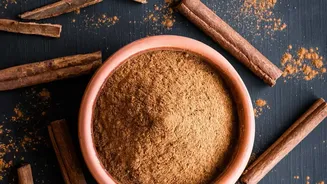
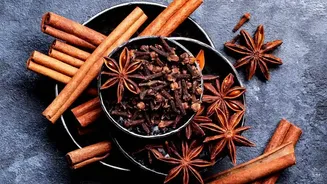
Cinnamon, or dalchini, is more than just a flavouring; it's a thread woven through our culinary history. For centuries, its fragrant bark has been used in traditional medicine and kitchens across the world, prized for its warmth and complexity. It’s the backbone
of garam masala, the secret to a perfect kheer, and the comforting note in a rainy-day cup of tea. This familiar spice has been cherished for its taste long before it was put under a microscope. Its journey from a precious commodity, once more valuable than gold, to a staple in every pantry is a testament to its universal appeal.
The Wellness Whisper Campaign
In recent years, cinnamon has been swept up by the booming wellness industry. Influencers and health brands now hail it as a 'superfood' capable of everything from managing weight and fighting inflammation to controlling diabetes. It's sold in high-dose capsules, blended into expensive 'detox' teas, and marketed as a quick fix for complex health problems. This shift has moved cinnamon from the spice rack to the medicine cabinet, creating an expectation that a simple sprinkle can solve serious health issues. The message is clear: cinnamon isn’t just for flavour anymore; it’s a tool for bio-hacking your health.
What the Science Actually Says
So, what's the truth? The scientific community has indeed taken an interest in cinnamon, and the findings are promising, but nuanced. Several studies suggest cinnamon can help improve blood sugar control, particularly in individuals with type 2 diabetes or metabolic syndrome. It appears to work by slowing the breakdown of carbohydrates and improving insulin sensitivity. It’s also a powerhouse of antioxidants, which help protect our bodies from cellular damage. However, most studies use concentrated doses far higher than what you’d sprinkle on your oatmeal. While research shows potential benefits for heart health and inflammation, scientists agree that more robust human trials are needed before making definitive claims. Crucially, cinnamon is not a replacement for medication or a healthy lifestyle.
Not All Cinnamon is Equal
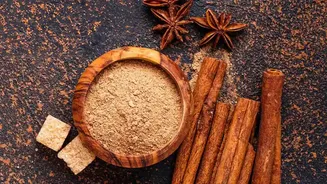
One of the most important details often lost in wellness marketing is that there are two main types of cinnamon: Cassia and Ceylon. Cassia is the common, less expensive variety found in most supermarkets. It has a strong, pungent flavour. Ceylon, often called 'true cinnamon', is lighter in colour with a more delicate, sweet taste. The key difference lies in a compound called coumarin. Cassia cinnamon contains high levels of coumarin, which can be toxic to the liver if consumed in large quantities. Ceylon cinnamon, on the other hand, contains only trace amounts. For those who enjoy cinnamon daily or in larger amounts, opting for the Ceylon variety is a much safer choice. This makes taking high-dose supplements, which are often made from Cassia, a potentially risky habit.
The Problem with Miracle Cures
Turning a beloved spice into a prescriptive 'wellness fix' does more harm than good. It creates pressure and anxiety around food, transforming an act of pleasure into one of medicinal calculation. When we chase the superfood status of an ingredient, we risk overconsumption and ignore the importance of a balanced diet. A teaspoon of cinnamon cannot undo the effects of an unhealthy lifestyle. The real magic of cinnamon isn't in its ability to miraculously cure ailments, but in its power to make healthy foods more delicious. A sprinkle on your morning porridge or in a vegetable curry encourages better eating habits through flavour, not through unsubstantiated promises of a quick fix.