


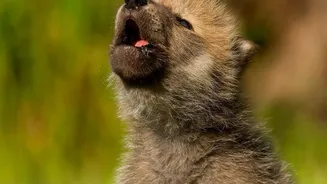
A Remarkable Comeback Story
Not so long ago, the grey wolf was nearly eradicated from Western Europe, a victim of centuries of persecution. By the 1970s, only small, fragmented populations remained in isolated pockets of the continent. But thanks to legal protections, changing public
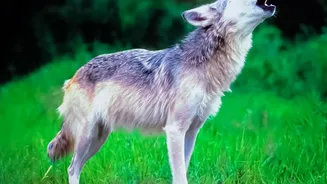
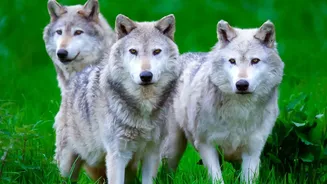
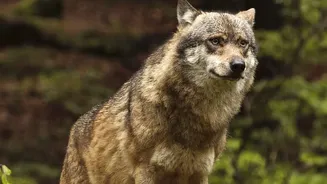
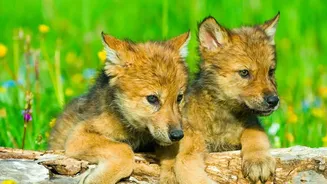
attitudes, and the recovery of prey species like deer and wild boar, the wolf is making an extraordinary comeback. A 2022 assessment estimated the European wolf population at over 21,500 individuals, a significant increase over the past decade. This natural return—not driven by reintroduction programs—has seen wolves repopulate landscapes from the Italian Apennines to the forests of Germany, which saw its first litter of pups in 2000 after a 150-year absence.
From Fear to Fascination
This recovery has transformed more than just the landscape; it has also shifted cultural perceptions. The folkloric 'big bad wolf' is increasingly being replaced by an appreciation for an intelligent, keystone species essential for ecological balance. This shift has paved the way for a new kind of tourism, one built not on seeing an animal in a zoo, but on the thrill of knowing it roams free. Adventure travellers and nature lovers are now flocking to regions known for their wolf populations, eager for a chance to connect with a wilder side of the continent. This burgeoning industry offers an economic incentive for coexistence, turning the wolf from a perceived liability into a valuable asset for rural communities.
The Rise of Wolf-Watching Tourism
Across the continent, small, specialized outfitters are guiding visitors into the heart of wolf country. Destinations like the Riaño Mountains in Spain, the Carpathian Mountains in Romania, and Italy's Abruzzo National Park have become hotspots for this niche travel. These are not guaranteed sightseeing trips. Responsible wolf tourism emphasizes patience, tracking, and understanding the ecosystem. Tours often involve learning to identify tracks, scat, and territorial markings, using spotting scopes to scan distant hillsides, and sometimes spending nights in remote hides hoping to hear a howl or catch a fleeting glimpse of a pack. The experience is about immersion in the wild and the possibility of a sighting, which makes the moment, if it comes, all the more precious.
An Uneasy Coexistence
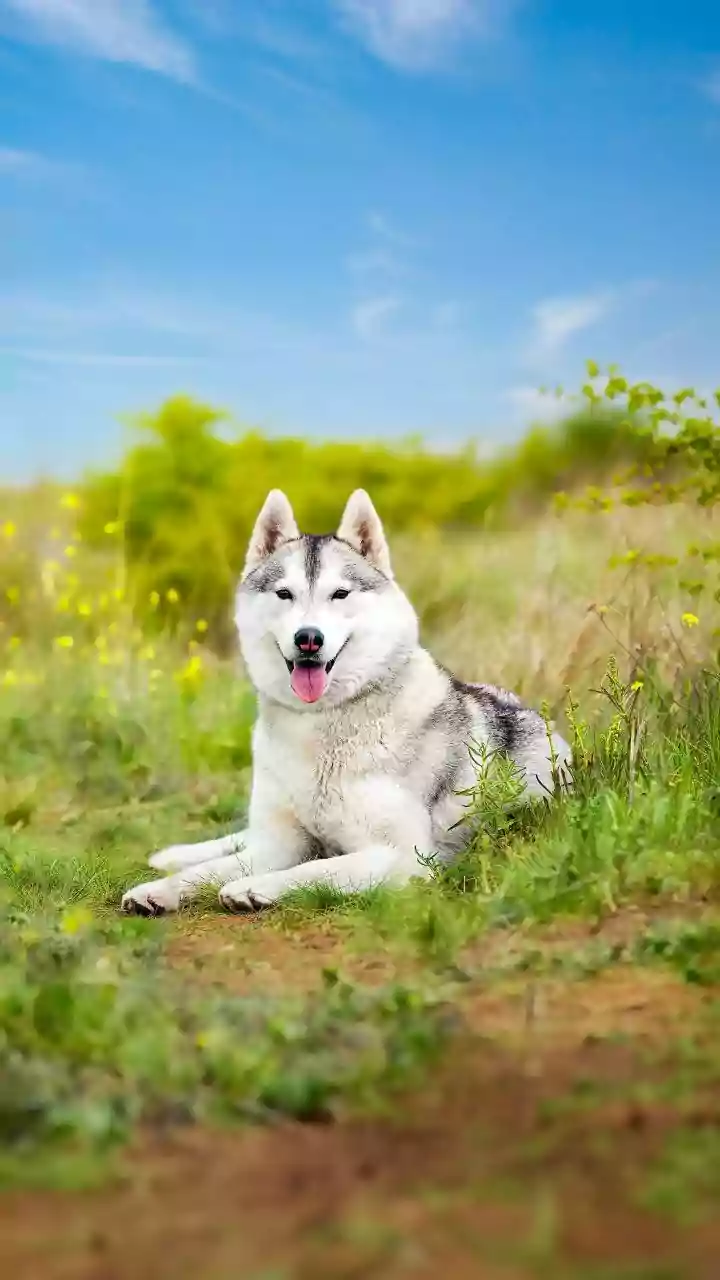
The return of the wolf is not celebrated by everyone. The recovery has renewed age-old conflicts, particularly with livestock farmers. Wolves kill tens of thousands of domestic animals annually across the EU, and managing this conflict is a complex social and political challenge. Compensation programs and preventative measures, like electric fences and livestock guardian dogs, are crucial tools, but tensions remain. This friction has led to intense debates over the wolf's protected status, with some lobbying groups pushing to downgrade legal protections to allow for more culling. This highlights the delicate balance between celebrating a conservation success and managing its real-world consequences for those who live alongside these large carnivores.