



The Post-Monsoon Shift
The end of the monsoon season brings a significant change to North India's weather patterns. The rains that wash away pollutants are gone, replaced by dry, sunny days. This year, the first week of October has already been the most polluted in three years,
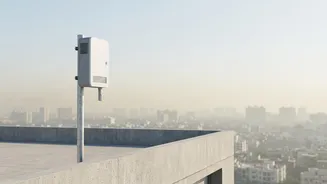
with an average Air Quality Index (AQI) of 171 as the monsoon withdrew. While this still falls in the 'moderate' category, several monitoring stations across the capital have already recorded 'poor' air quality, with PM10 being a dominant pollutant. This dip is a clear indicator that the atmospheric conditions favourable for trapping pollutants are setting in.
Why Cooler Weather Worsens Air
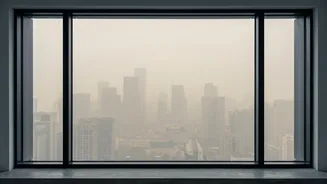
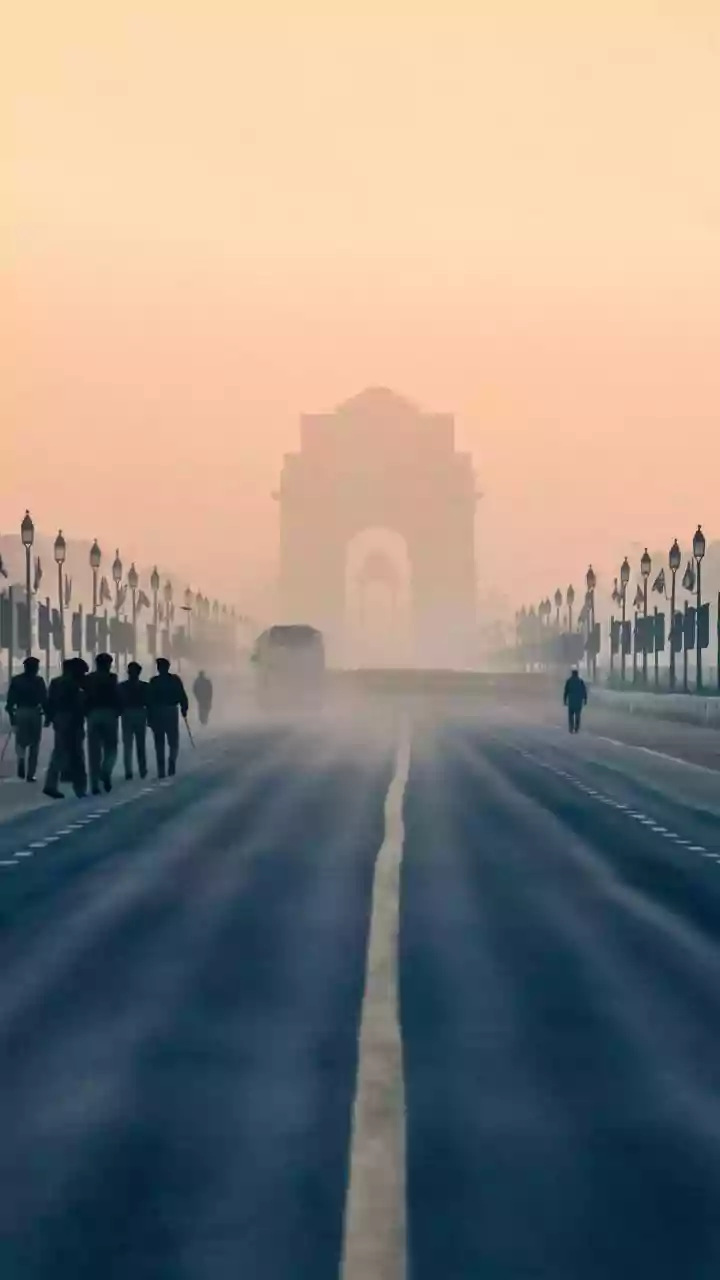
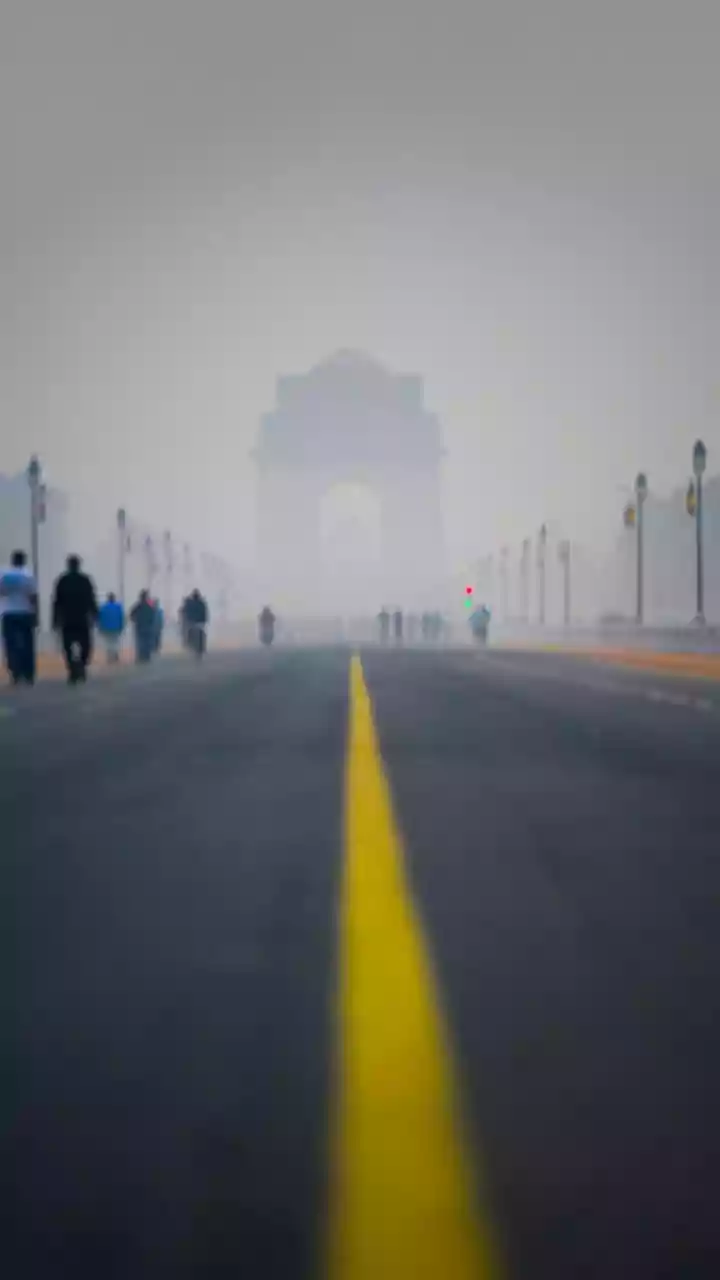
The shift is not just about the lack of rain. As temperatures begin to drop, a phenomenon known as temperature inversion occurs. Cooler air, which is denser, gets trapped near the ground by a layer of warmer air above. Along with this trapped air are all the pollutants being emitted. Furthermore, wind speeds typically drop in the post-monsoon period. The combination of low wind speeds and inversion means pollutants are no longer dispersed effectively. Instead, they hang in the air, accumulating day by day and creating the thick smog that has become synonymous with Delhi's winters.
The Onset of Stubble Burning
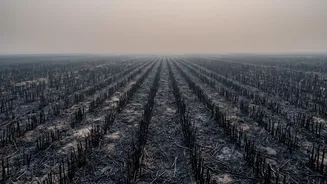
Compounding the meteorological factors is the return of agricultural fires in neighbouring states. As farmers in Punjab, Haryana, and Uttar Pradesh harvest their paddy crops, they often burn the remaining stubble to quickly clear fields for the next sowing season. Satellite data from the Indian Agricultural Research Institute (IARI) has already detected hundreds of crop residue burning incidents since mid-September. While Haryana has shown a significant decline in farm fires so far, incidents are being recorded in Punjab and Uttar Pradesh. Winds from the northwest carry smoke from these fires directly towards Delhi-NCR, adding a massive external load of particulate matter to the region's already deteriorating air.
Local Pollutants Trapped in the Mix
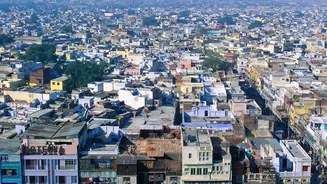
While farm fires are a significant seasonal contributor, the foundation of Delhi's pollution problem is its own local emissions. Pollutants from vehicles, dust from construction sites, and industrial fumes are churned out daily. During other times of the year, weather conditions can help disperse these emissions. But in October and November, they get trapped alongside the smoke from stubble burning. This creates a toxic cocktail that sends the AQI soaring from 'moderate' to 'severe' or 'hazardous' levels, often within weeks. Some areas are already showing 'poor' AQI readings, with hotspots like Mundka, Dwarka, and Narela recording elevated levels.
Authorities Brace with GRAP
In response to this predictable crisis, authorities implement the Graded Response Action Plan (GRAP). This is a set of emergency measures that escalate based on the severity of the air pollution. The Commission for Air Quality Management (CAQM) has already revised and tightened the GRAP framework for this year, bringing some restrictions into force at an earlier stage. For instance, restrictions on certain buses will now apply from Stage I, rather than Stage II. The government is also intensifying enforcement of Pollution Under Control Certificate (PUCC) norms and has deployed 'Flying Squads' to monitor and prevent stubble burning in Punjab and Haryana. These measures aim to curb pollution at its source before the situation becomes critical.