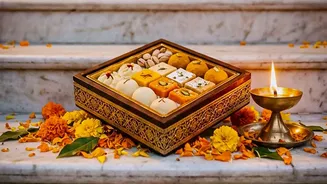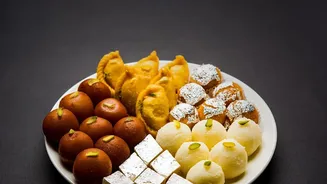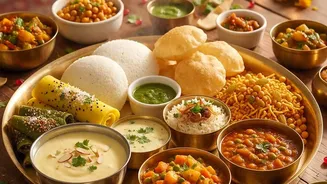




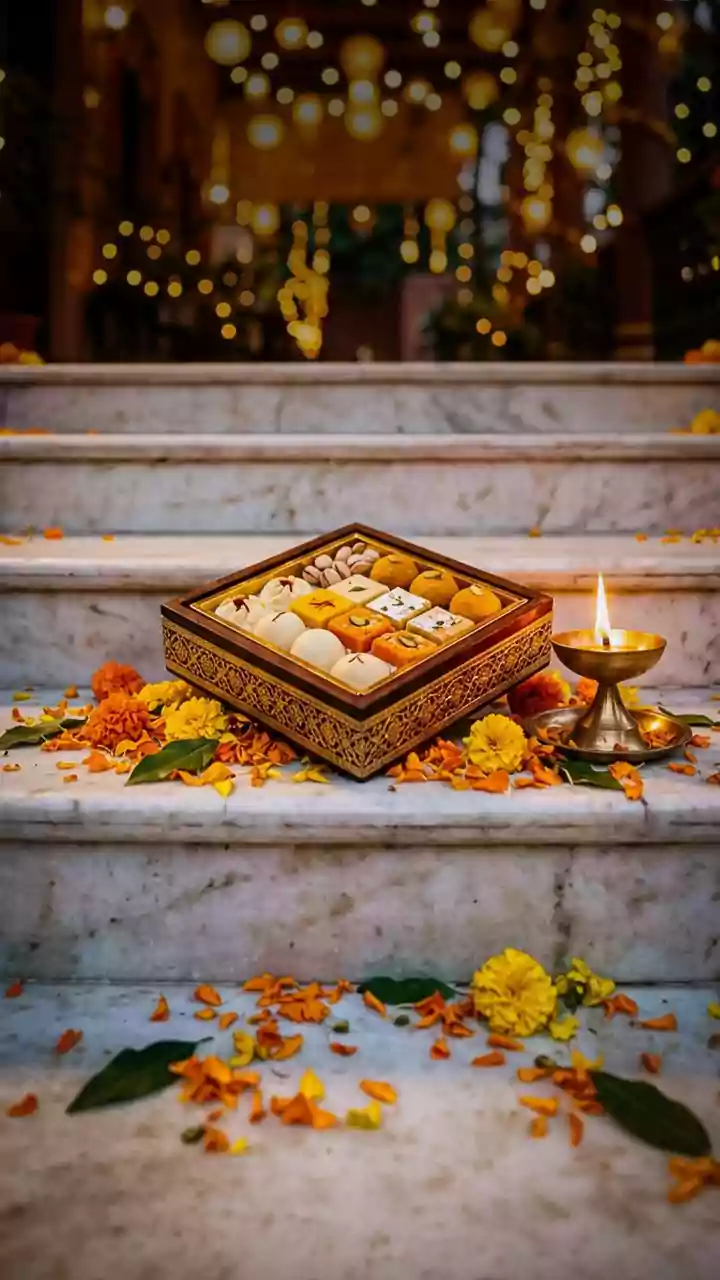

Diwali is synonymous with joy, light, and boxes piled high with laddoos and barfi. But festive indulgence doesn't have to mean a week of guilt. Here’s how you can savour your favourite sweets with a few practical and mindful choices.
Understanding Your Favourite Mithai
Traditional Diwali
sweets like laddoos and barfi are delicious cultural staples, but they are also calorie-dense. The primary ingredients are often refined sugar, ghee (clarified butter), and processed flours like maida. For instance, a single besan laddoo can contain around 170 calories, while other sweets like gujiya can be even higher. Ghee and sugar alone can contribute up to 80% of the total calories in a sweet. Understanding this isn't about creating fear around food, but about awareness. Knowing what's in your mithai allows you to make informed decisions and enjoy them as the special treats they are, rather than mindless snacks.
Portion Control Is Your Best Friend
The most effective strategy for healthy festive eating is not complete avoidance but portion control. Nutritionists suggest that instead of grazing on sweets throughout the day, it's better to plan your indulgence. Decide in advance which sweets are truly worth it to you. Do you love kaju katli but feel indifferent about soan papdi? Then savour a small piece of the katli and politely skip the rest. Using smaller plates can also visually help manage portion sizes, and eating slowly allows your brain to register fullness, preventing overeating. A sensible approach is to limit yourself to one or two small pieces at a time.
Smart Swaps and Healthier Alternatives
For those who love making sweets at home, small ingredient swaps can make a big nutritional difference. Consider replacing refined white sugar with natural sweeteners like dates, figs, or a moderate amount of jaggery. While jaggery has a similar calorie count to sugar, it contains trace minerals like iron. However, it's important to note that natural sweeteners still raise blood sugar and should be used in moderation. You can also switch refined flour (maida) for whole grains or millet flours like ragi or besan, which add fibre and protein. Baking or roasting snacks instead of deep-frying is another excellent way to reduce their fat content.
The Power of Homemade Sweets
Preparing sweets at home gives you complete control over the ingredients. This allows you to reduce the amount of sugar and ghee and avoid the preservatives often found in store-bought mithai. You can create delicious and healthier versions of classics. For example, a dry fruit laddoo made with dates, nuts, and seeds needs no added sugar and is packed with healthy fats and fibre. Coconut barfi made with fresh coconut and a touch of jaggery is another great option that is rich in nutrients like manganese and copper. Even traditional favourites like gajar halwa can be made lighter by using jaggery and roasting the ingredients to develop flavour without excess ghee.
Practice Mindful Indulgence
Mindful eating is about being present and fully savouring your food, which is especially important during festivals when social and emotional eating is common. Instead of eating a laddoo while distracted, take a moment to appreciate its aroma, texture, and taste. This practice can increase satisfaction and make you less likely to reach for a second or third piece. It is also wise to eat your sweet after a balanced meal containing protein and fibre, rather than on an empty stomach. This helps slow down the absorption of sugar and prevents sharp spikes in blood glucose levels. Never skip a main meal to 'save' calories for sweets, as this often backfires and leads to overindulgence later.
Beyond the Mithai Box
A holistic approach to festive wellness goes beyond just the sweets. Staying hydrated by drinking plenty of water is crucial, as it helps flush out toxins and can prevent you from mistaking thirst for a sugar craving. It’s also beneficial to remain physically active. Even a short 10nd minute walk after a heavy meal can aid digestion and help manage blood sugar levels. Lastly, don't let one indulgent day spiral. The key is to get back to your regular eating and activity routine the next day without guilt or the need for extreme 'detox' plans, which are often unnecessary as your body has its own natural systems for that.