





The Great Snack Debate: Tradition vs. Technology
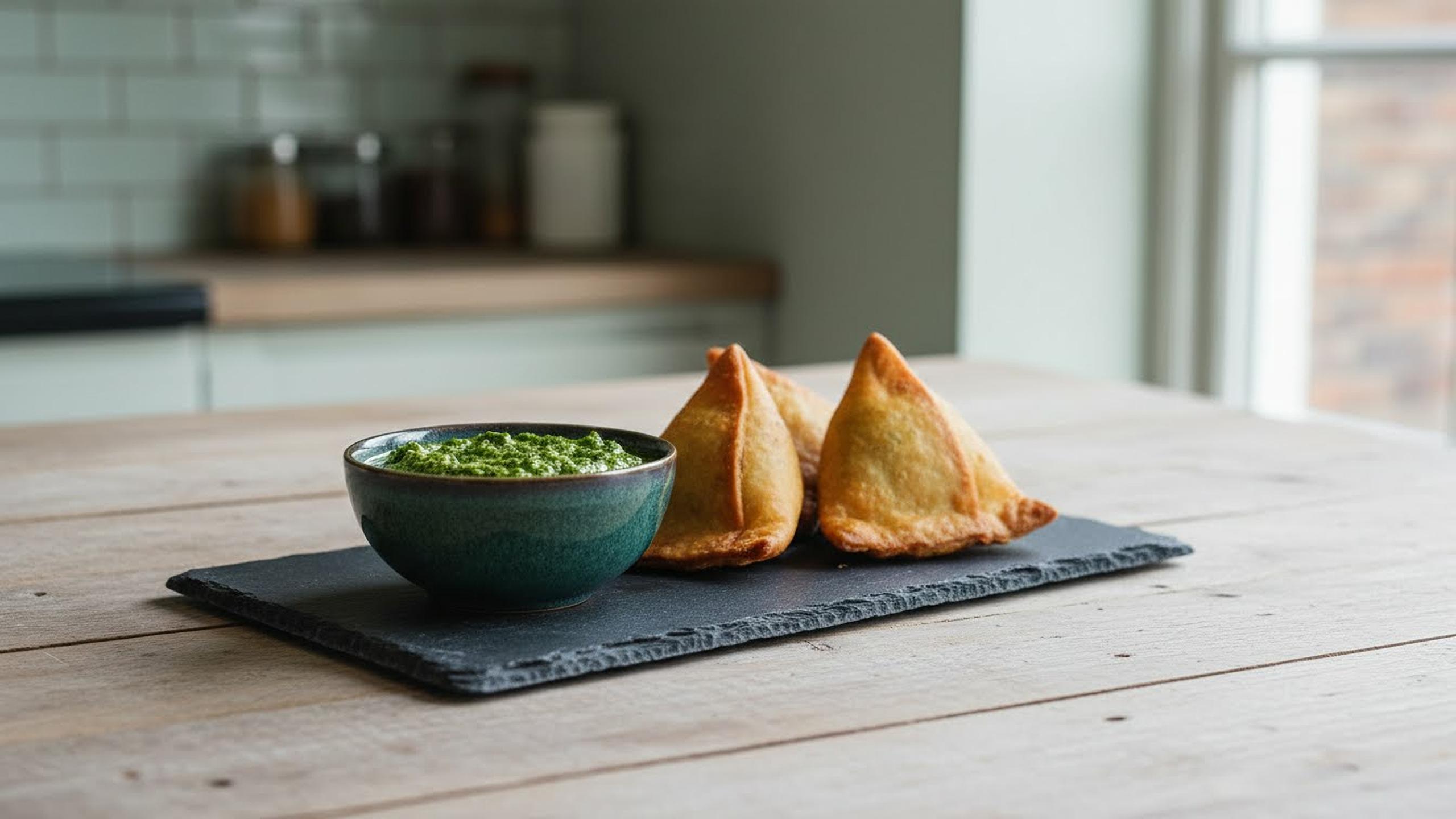
For generations, the sizzle of snacks hitting hot oil has been the soundtrack to festive fasting periods in India. From Sabudana Vada to Kuttu Ki Puri, these foods provide comfort and energy. Deep-frying creates an undeniably satisfying texture—a crispy,
golden-brown exterior giving way to a soft, steaming interior. This method is fast and effective, sealing in flavour almost instantly. However, the trade-off is significant oil absorption, which can leave snacks feeling heavy and high in calories. Air-frying, on the other hand, uses rapidly circulating hot air to cook food, requiring a fraction of the oil. This technology promises a similar crispy finish with up to 80% less fat, making it an attractive alternative for health-conscious households. The question remains: can a snack made with hot air ever truly replicate the richness and texture of one born from hot oil? The answer lies in managing expectations and understanding how to adapt traditional recipes.
Case Study 1: The Beloved Sabudana Vada
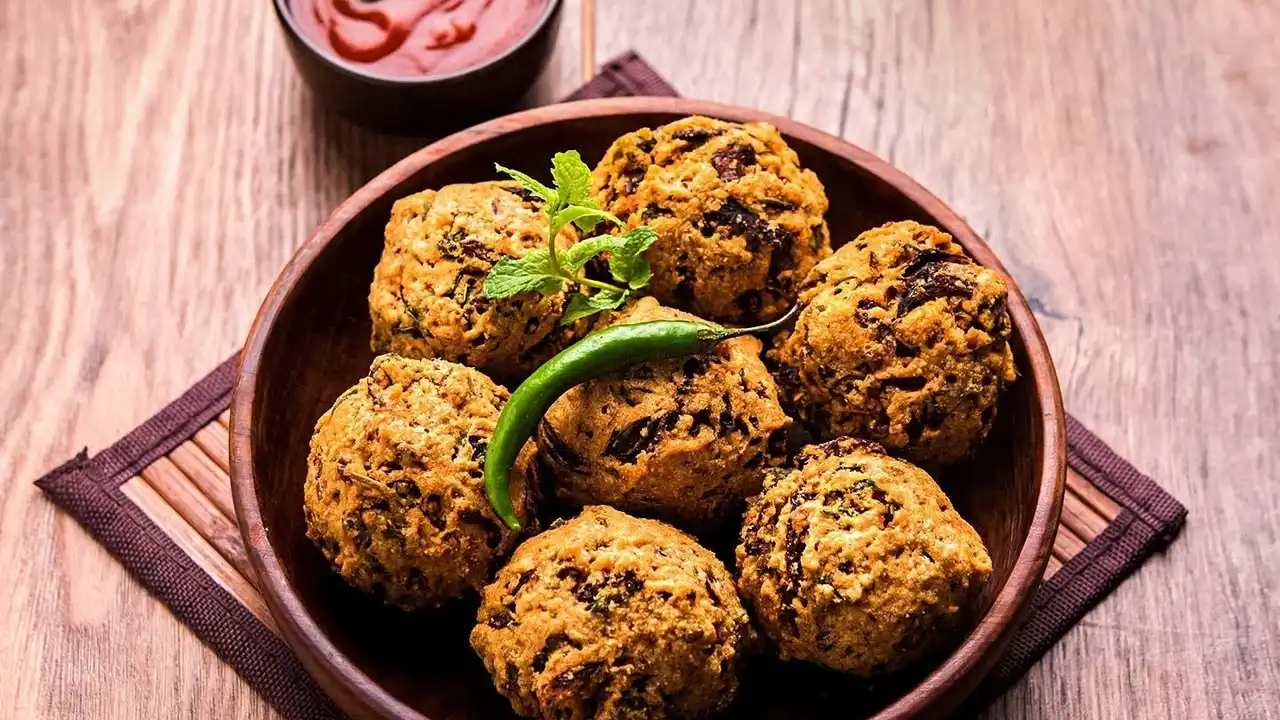
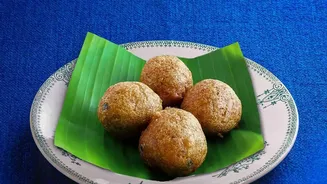
Sabudana Vada is a quintessential vrat snack, loved for its unique contrast of a crunchy peanut-studded crust and a soft, chewy tapioca centre. Traditionally, these patties are deep-fried to achieve their signature golden, crisp shell. When adapted for the air fryer, the results are impressively close but distinct. An air-fried Sabudana Vada is still crispy on the outside and soft inside, but the texture is often described as lighter and slightly drier. To achieve the best results, brushing the vadas with a little ghee or oil is crucial; the fat helps the tapioca pearls crisp up and develop colour. Some cooks also recommend refrigerating the shaped patties for about 20-30 minutes before air-frying to help them hold their shape and become crunchier. While deep-frying might take 5-7 minutes, air-frying takes longer, typically around 15-20 minutes at 180°C, with a flip halfway through.
Case Study 2: Kuttu Creations – Puris and Pakodis
Buckwheat flour, or 'kuttu ka atta', is another fasting staple. Traditionally, it's used to make deep-fried puris that puff up beautifully and are served with aloo ki sabzi. Replicating a puffed puri in an air fryer is challenging because it lacks the immediate, all-over heat of being submerged in oil. Instead of a soft, puffed bread, air-fried kuttu dough results in something more akin to a crisp mathri or biscuit. While different, these 'kuttu crisps' are delicious in their own right—crunchy, nutty, and perfect for dipping. For Kuttu Pakodis, the air fryer is a game-changer. A thick batter of kuttu flour mixed with potatoes or paneer can be spooned into the air fryer, brushed with oil, and cooked until crisp. The result is a genuinely crunchy snack that satisfies the craving for pakodis without the heaviness of its deep-fried cousin.
Tips for Perfect Air-Fried Vrat Snacks
Transitioning your favourite vrat recipes from the deep-fryer to the air fryer requires a few adjustments. First, always preheat your air fryer for a few minutes; starting with a hot environment is key to a crispy exterior. Second, don't be afraid to use some oil. A light brush of ghee, peanut oil, or coconut oil helps with browning and flavour development—this isn't 'no-oil' cooking, but 'less-oil' cooking. Third, avoid overcrowding the basket. Food needs space for the hot air to circulate effectively and crisp up on all sides. Cook in batches if necessary. Finally, be prepared to experiment with time and temperature. As a general rule, you might reduce a conventional oven temperature by about 10-15°C, but when converting from deep-frying, you may need more time, not less. Shaking the basket or flipping the items halfway through is essential for even cooking.