






Understanding the 'Crackdown'
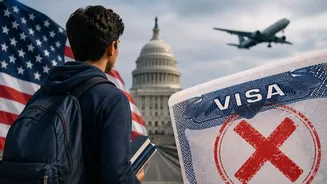
Recent reports indicate increased visa scrutiny and revocations under the Trump administration, causing anxiety among international students. More concretely, a significant rule change ending the long-standing “Duration of Status” (D/S) system will take
effect on September 15, 2026. Previously, F-1 students were admitted for as long as they remained enrolled and compliant. The new rule replaces this with a fixed admission period, generally for the length of your academic program or four years, whichever is shorter. This means students in longer programs or those needing more time must now formally apply for an extension, a process that used to be handled internally by their university. This shift requires students to be more proactive in monitoring their status and deadlines.
The Golden Rule: Maintain a Full Course Load
The absolute bedrock of F-1 status is maintaining a full course of study. For undergraduates, this typically means at least 12 credit hours per semester; for most graduate students, it's 8 or 9 hours. Falling below this threshold without prior authorization from your Designated School Official (DSO) is one of the fastest ways to fall out of status. Exceptions are possible for specific, documented reasons like a medical condition or a final semester with a lighter load, but you must get approval first. Never drop a class that puts you below the full-time credit limit without speaking to your DSO.
Work Authorisation: The CPT and OPT Minefield
Unauthorized employment is a serious violation of F-1 status. Students are only permitted to work under specific, approved conditions. On-campus employment often has set limits, typically up to 20 hours per week during the academic year. For off-campus work, you need explicit authorization through programs like Curricular Practical Training (CPT) for work integrated into your curriculum, or Optional Practical Training (OPT) for post-graduation work experience. Running your own business, freelancing, or taking on paid side-gigs is generally not allowed without specific authorisation and can lead to visa revocation. Always get clearance from your DSO before starting any form of employment.
Your DSO is Your Most Important Ally
Your Designated School Official (DSO) is not an immigration enforcer; they are your primary resource for navigating these complex rules. Maintaining open communication with your DSO is critical. You are required to report any changes to your personal information, such as a new address, within 10 days. You must also consult your DSO before making any significant changes, including changing your major, transferring to a new school, or taking a leave of absence. Keeping your I-20 form—the document issued by your school that certifies your eligibility—accurate and up-to-date is your responsibility, and your DSO is there to help you do it correctly.
Travel, Transfers, and Timely Updates
Compliance extends beyond the classroom. Before any international travel, ensure your I-20 has a valid travel signature from your DSO, which is typically valid for one year. Be aware that under the new rules, re-entering the US after September 15, 2026, may trigger the new fixed-period admission, so plan travel accordingly. The grace period for F-1 students to depart the US after completing their program has also been shortened from 60 days to 30 days under the new regulations. Furthermore, simple mistakes like failing to update your address in the SEVIS system can lead to a terminated record and put you out of status.