





The Animal Kingdom’s Secret to a Longer Life?
In laboratories across the world, a consistent finding has emerged from studies on organisms like yeast, flies, and rodents: restricting protein intake can extend lifespan. A major recent review of over 350 scientific papers highlighted that a low-protein
diet in these animals helps improve metabolism, reduce cellular damage, and activate pathways associated with longevity. One key mechanism involves a cellular pathway called mTOR. Think of mTOR as a construction foreman for your cells; when you eat a lot of protein, it signals 'grow, build, multiply!' But constant growth signalling may accelerate aging. By restricting protein, especially certain amino acids like methionine and isoleucine, this mTOR pathway is inhibited. This shifts the body from a 'build' mode to a 'repair and clean up' mode, a process called autophagy, where cells clear out damaged components, which may help slow down the aging process.
The Human Complication
Here's the crucial question: are we just big mice? The answer, biologically, is no. While the findings in animals are compelling, researchers caution against directly applying them to human health and diet. Human bodies are far more complex, and our lifestyles, genetics, and environments are infinitely more varied than those of lab animals. The studies on human subjects have been much smaller and shorter in duration, making it difficult to draw firm conclusions about long-term health and lifespan. While some short-term human trials show that reducing protein can improve metabolic markers like blood sugar and lead to fat loss, these effects don't automatically translate to a longer life. The very nature of the evidence—observational studies and short trials versus controlled, lifelong experiments on animals—means there are significant limits to what we can claim about protein and human longevity.
It's Not Just How Much, but When and What Kind
The conversation around protein is becoming more nuanced. It’s not just about the total amount, but also the type of protein and when you need it. Several large human studies have shown that getting protein from plant sources is associated with a lower risk of mortality compared to a high intake of animal protein, particularly from processed red meats. Furthermore, our protein needs are not static throughout life. Older adults, for instance, often face age-related muscle loss, a condition called sarcopenia. For this group, higher protein intake—often recommended between 1.0 to 1.2 grams per kilogram of body weight—is crucial for maintaining muscle mass, strength, and bone health. This contrasts with the potential benefits of lower protein intake for sedentary, middle-aged adults. An active individual who exercises regularly will also utilize protein differently, using it to repair and build muscle, which may protect them from any negative effects of higher intake.
Finding a Sensible Path Forward
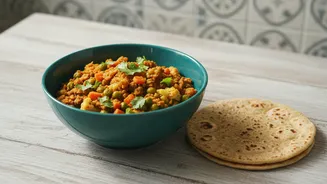
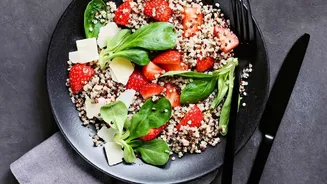
So, what's the takeaway from this conflicting information? For most people, the focus should shift from obsessing over a specific gram count to embracing a balanced and sensible approach. The evidence suggests that for many sedentary adults, the current trend of adding extra protein to everything may not be beneficial and could have negative consequences. Instead of aiming for extremely high or extremely low intake, experts suggest that focusing on the quality of your protein is key. Prioritizing whole-food sources, especially from plants like legumes, nuts, and whole grains, appears to offer significant health benefits. This approach allows you to get adequate protein along with other vital nutrients like fibre and antioxidants, which are often missing from highly processed, protein-fortified foods.