





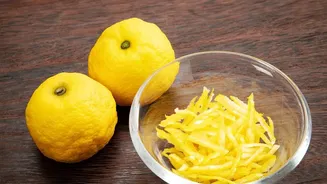

Why Fresh Lemon Juice Is Essential
The single most important upgrade for your homemade hummus is switching from bottled lemon juice to fresh-squeezed. Fresh lemon juice provides a bright, zesty acidity that cuts through the richness of the tahini and chickpeas, making the other flavours
'pop'. Bottled juice is often pasteurised, which can give it a dull or slightly cooked flavour. Fresh juice, on the other hand, delivers a clean, vibrant tang. The acidity also helps to mellow the raw bite of garlic. Some chefs recommend marinating chopped garlic in the lemon juice for about ten minutes before blending to soften its pungency. This simple step ensures the garlic adds a savoury depth without overwhelming the dip.
The Secret to a Silky-Smooth Texture
Richness in hummus comes from two places: good quality tahini and an ultra-creamy texture. While lemon provides the pop, technique delivers the smoothness. Many experts agree that over-cooking your chickpeas is crucial. Whether you're using dried or canned chickpeas, boiling them with a pinch of baking soda for about 20 minutes makes them incredibly soft. The baking soda raises the water's pH, helping to break down the chickpea skins. For the absolute smoothest result, you can take the time to peel the skins off the chickpeas after boiling, though many fall off on their own during the process. It’s an extra step, but it guarantees a velvety finish.
Mastering the Method and Ratios
The order in which you combine your ingredients matters immensely. A game-changing technique is to whip the tahini and fresh lemon juice together in the food processor first, before adding anything else. Process them for a minute or two until the mixture becomes thick and lighter in colour. This 'creaming' step is fundamental to achieving a fluffy, airy texture. Once the tahini and lemon are whipped, you can add your garlic, salt, and spices like cumin. Blend again before adding the soft, cooked chickpeas. For an even lighter consistency, stream in a few tablespoons of ice-cold water while the processor is running. The ice water helps create a pillowy, almost whipped texture that is hard to achieve otherwise.
A Foundational Recipe for Success
Ready to put it all together? Here is a base recipe that incorporates these key techniques. You will need: two 15-ounce cans of chickpeas (or about 3 cups cooked from scratch), 2/3 to 1 cup of high-quality tahini, 6 tablespoons of freshly squeezed lemon juice (from about 2 lemons), 2 large garlic cloves, 1/2 teaspoon of ground cumin, and sea salt to taste. Start by boiling your chickpeas with 1/2 teaspoon of baking soda until very soft, then drain well. In a food processor, combine the tahini and lemon juice and blend for one minute until thick and creamy. Add the minced garlic and cumin and pulse again. Finally, add the warm, drained chickpeas and blend for several minutes until perfectly smooth. With the machine running, slowly add 6 to 8 tablespoons of ice water until you reach your desired consistency. Taste and adjust salt and lemon juice as needed.
Finishing Touches and Variations
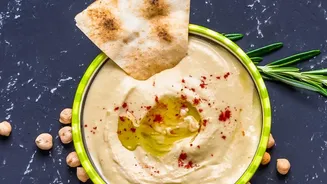
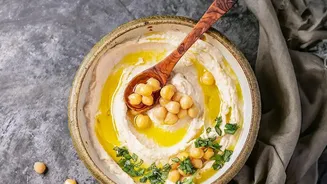
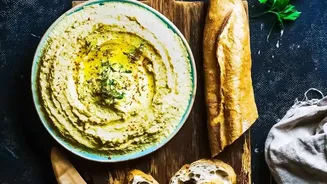
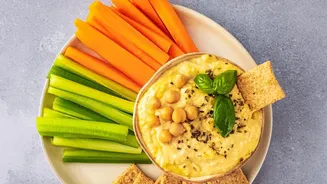
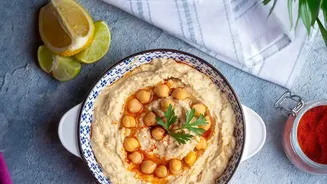
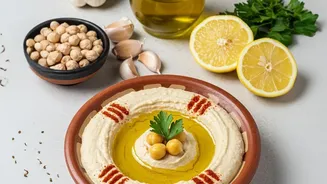
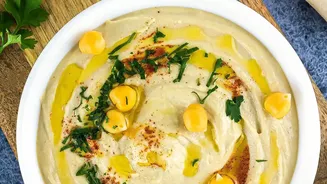
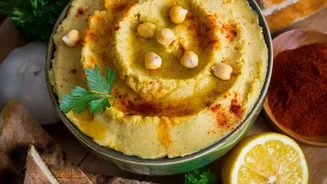
Once your hummus is blended to perfection, how you serve it makes all the difference. Transfer the hummus to a shallow bowl and use the back of a spoon to create a deep swirl. This not only looks beautiful but also creates a vessel for the final ingredient: a generous drizzle of good quality extra-virgin olive oil. A sprinkle of paprika, sumac, or fresh parsley adds colour and another layer of flavour. Don't be afraid to experiment. Once you've mastered this base, you can introduce other elements like roasted red peppers, sun-dried tomatoes, or caramelised onions. But the foundation of a truly great hummus will always be that perfect balance of creamy chickpeas, rich tahini, and the bright, essential pop of fresh lemon juice.