







A Boom Fueled by Refined Oil
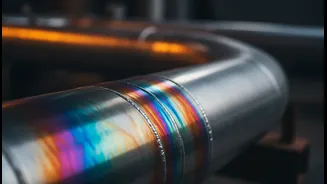
Recent data reveals a remarkable uptick in India's merchandise exports, with a standout performance from the petroleum sector. In May 2026, exports of petroleum products saw a dramatic year-on-year increase of nearly 55%. This surge was a primary driver
behind the overall 16% growth in merchandise exports during the first two months of the 2026-27 financial year. This isn't a fluke. India has strategically positioned itself as a major global hub for oil refining. The country imports vast quantities of crude oil and uses its sophisticated refining infrastructure to process it into higher-value products like petrol, diesel, and jet fuel, which are then sold to international markets. This capacity is set to grow even further, with major expansions at state-owned refineries expected to come online by the end of 2026, potentially increasing export capacity significantly in the coming years. For July 2026, shipping data already indicates a strong pipeline of jet fuel and gasoil exports destined for markets in Africa and Europe.
Progress on the European Front
While the headline suggests a broad pause in trade talks, the reality is more nuanced. India has recently achieved significant breakthroughs with its European partners. The much-awaited Free Trade Agreement (FTA) with the United Kingdom is a done deal, signed in 2025 and scheduled to come into force on July 15, 2026. According to Commerce and Industry Minister Piyush Goyal, this will grant nearly all Indian exports duty-free access to the UK market, a major win for sectors ranging from textiles to agriculture. Similarly, negotiations with the European Union are in their final phase. After reaching a political agreement in early 2026, both sides are now completing the 'legal scrubbing' of the text. Minister Goyal is currently leading a delegation to Europe to build momentum, with hopes of signing the landmark deal by the end of 2026 and implementing it in early 2027. These agreements represent long-term strategic wins that promise to diversify India's export basket and deepen economic integration.
The American Deadlock
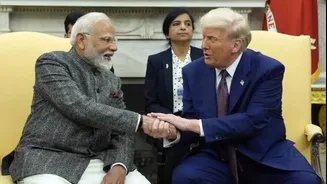
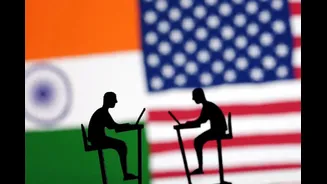
The true 'pause' is in the critical trade negotiations with the United States. Despite multiple rounds of talks, a comprehensive deal remains elusive. The deadlock stems from several core issues. The U.S. has expressed concerns over high Indian tariffs and has sought greater market access for its agricultural and dairy products—a sensitive area for New Delhi, which is committed to protecting its farmers. From the Indian side, there is significant apprehension about navigating America's complex regulatory environment and non-tariff barriers. The situation is further complicated by ongoing U.S. tariff investigations and protectionist measures under its own trade laws, which create an uncertain environment for finalizing concessions. India's past experiences with other trade pacts, where imports surged without a corresponding rise in exports, have made its negotiators cautious about signing any deal that doesn't guarantee a level playing field.
A Tale of Two Strategies
This contrast highlights a two-speed approach in India's trade strategy: capitalizing on short-term opportunities while navigating long-term strategic challenges. The boom in petroleum exports is a tactical success, providing vital foreign exchange and helping manage the trade deficit, which stood at over $28 billion in May 2026. However, this reliance carries risks. Global energy markets are notoriously volatile, subject to geopolitical shocks and fluctuating prices. A growth model dependent on this one sector is not sustainable in the long run. On the other hand, comprehensive FTAs, like those finalized with the UK and nearing completion with the EU, offer a more stable and predictable path to prosperity. These agreements are designed to foster diversified growth across multiple sectors, including engineering goods, pharmaceuticals, electronics, and services. They create durable supply chains and embed the Indian economy more deeply into global commerce, insulating it from shocks in any single sector. The struggle to conclude a similar deal with the U.S., India's largest export destination, underscores the immense challenge that remains.