

More Than Just a Sidekick
In Indian cuisine, a meal without chutney can feel incomplete. This is especially true for the fast-paced world of street breakfast. Derived from the Hindi word 'chatna', meaning 'to lick', chutneys are not mere afterthoughts but essential components
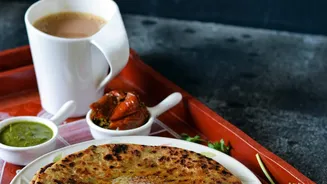
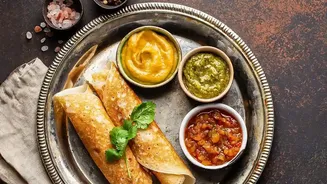
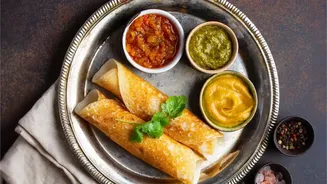
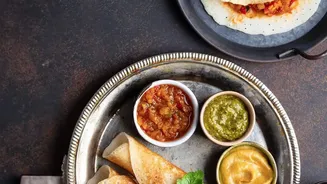
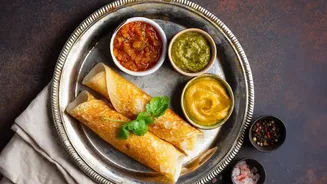
designed to complete a dish. They provide a fresh, often raw, counterpoint to the textures and temperatures of staples like fluffy idlis, crisp vadas, and savoury dosas. Traditionally made fresh every morning, often on a stone grinder, these condiments are a non-negotiable part of the culinary ritual, providing moisture, nutrition, and a complex burst of flavour that elevates a simple meal into a memorable experience. A breakfast plate in South India, for instance, is rarely served with just one chutney; a trio of coconut, tomato, and mint is a common sight, each offering a different sensory experience.
A Symphony of Regional Flavours
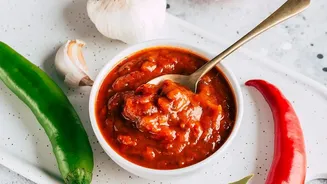
To speak of a single 'breakfast chutney' is to miss the point entirely. India's culinary landscape is famously diverse, and its chutneys are edible maps of this variety. The most iconic breakfast chutney is arguably the classic coconut version, a creamy, mildly spiced condiment made with freshly grated coconut, green chillies, and a tempering of mustard seeds and curry leaves. Its cooling profile is the perfect foil for spicy sambar. Venture further, and you’ll find the tangy and slightly sweet tomato chutney, the sharp and pungent garlic chutney popular in Tamil Nadu, or the nutty peanut chutney often found in Andhra Pradesh. Other variations include the fresh, herbaceous mint and coriander chutney or even dry chutney powders, known as 'podi', made from roasted lentils and spices, which are mixed with ghee or oil. Each recipe reflects the local produce and palate of its region.
The Rise of the Digital Food Tour
So, why the sudden surge in global interest? Much of it is driven by social media. The inherently colourful nature of Indian food makes it perfect for visual platforms like Instagram and YouTube. A vibrant green coriander chutney or a fiery red tomato chutney provides a stunning visual contrast that food bloggers and content creators love. Travel vlogs and food-focused social media channels have brought the sights and sounds of Indian street food to a global audience, moving beyond well-known curries to celebrate regional specialities. This digital exposure demystifies dishes and their accompaniments, making them more approachable and inspiring viewers worldwide to seek out these authentic flavours. When a regional dish gets recognition online, it helps preserve culinary traditions while introducing them to new generations.
Chefs as Cultural Ambassadors
The attention is not just happening online. A new wave of Indian chefs, both in India and internationally, are championing regional and hyperlocal ingredients. These culinary experts are moving beyond the standard restaurant fare that once defined Indian food for a global audience. By deconstructing and elevating humble, traditional recipes, they are placing forgotten or underrepresented dishes—and their essential components like chutneys—into the spotlight. Chefs like Prateek Sadhu, with his focus on Himalayan cuisine, or home chefs like Gitika Saikia, who highlights Assamese tribal dishes, are proving that the depth of Indian food lies in its regionality. This chef-led movement gives credibility and a new platform to ingredients and recipes that were previously confined to home kitchens and local street stalls, celebrating them as gourmet experiences.
A Modern Appetite for Authenticity
The growing focus on chutneys is also part of a wider wellness trend. Many traditional chutneys are packed with fresh herbs, spices, and vegetables, aligning with a modern desire for healthy, natural foods. Ingredients like ginger, garlic, tamarind, and fresh coriander are celebrated for their health benefits, from aiding digestion to boosting immunity. Furthermore, as global palates become more sophisticated, there is a growing appetite for authentic, complex flavours over homogenised ones. Street food offers this cultural immersion. The sharp, tangy, spicy, and sweet notes found in a single serving of breakfast chutney provide the kind of bold, layered flavour profile that adventurous eaters crave. It represents a shift from simply eating Indian food to understanding and appreciating its nuanced, regional soul.