



Your Visa-Free Gateway Explained
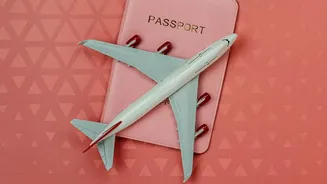
In a move designed to strengthen ties and boost tourism, Uzbekistan has introduced a visa-free regime for Indian passport holders. Indian citizens can now enter and stay in the country for up to 30 days without needing to apply for a visa in advance.
The announcement was made during Prime Minister Narendra Modi's state visit to Tashkent. This policy simplifies travel immensely, removing a key barrier for tourists and business travellers alike. While the rule allows for a 30-day stay, ensure your passport is valid for at least six months from your date of entry and it's wise to carry proof of accommodation and an onward or return ticket. This development, coupled with an increase to 14 direct weekly flights between the two countries, places Uzbekistan firmly on the map as a top-tier destination for Indian explorers.
A Journey Through Shared History
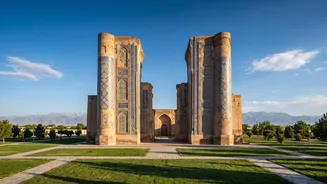
For Indian travellers, a trip to Uzbekistan is more than just a holiday; it's a journey into a shared past. The historical ties run deep, most notably through Babur, the founder of the Mughal Empire, who was born in Andijan, in present-day Uzbekistan. This connection is palpable in the stunning Timurid architecture of Samarkand and Bukhara, which echoes the grandeur of Mughal monuments in India. The two nations have been connected for centuries via the Silk Road, a network of trade that facilitated not just the exchange of goods, but also of ideas, culture, and traditions. Today, cultural institutions like the Lal Bahadur Shastri Centre for Indian Culture in Tashkent continue to foster this special relationship.
The Cities of a Thousand Stories
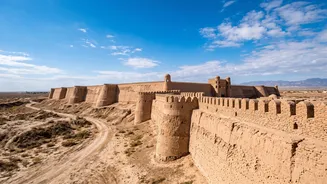
Uzbekistan’s main draw is its trio of perfectly preserved Silk Road cities, each a UNESCO World Heritage site. Samarkand, the crown jewel, is home to the magnificent Registan Square, a breathtaking ensemble of three grand madrasas covered in intricate blue tilework. Bukhara’s ancient city centre is a living museum, with over 140 protected buildings, including the towering Poi Kalon complex and the tranquil Lyabi-Hauz plaza. Then there is Khiva, a walled desert city so well-preserved it feels like stepping back in time. Its mudbrick fortress, Itchan Kala, contains palaces, mosques, and minarets that create an unforgettable atmosphere, especially at dusk. The modern capital, Tashkent, offers a different experience with its Soviet-era architecture, grand metro stations, and vibrant food scene.
Beyond Plov: A Culinary Adventure
Uzbek cuisine is a hearty and flavourful experience that will delight any food lover. The national dish is Plov, a delicious one-pot rice dish slow-cooked with meat (usually lamb or beef), carrots, onions, and spices that will feel comfortingly familiar to anyone who loves a good pulao or biryani. But the culinary journey doesn't stop there. Be sure to try shashlik, succulent skewers of grilled meat, and samsa, savoury pastries baked in a tandoor oven and filled with meat or pumpkin. Manti are delicate steamed dumplings, another local favourite. And no meal is complete without a loaf of freshly baked, decoratively stamped 'non' (bread), a staple of every table.
Know Before You Go: Practical Tips
To make the most of your trip, timing is key. The best times to visit Uzbekistan are during the spring (April to May) and autumn (September to October), when the weather is pleasant and mild, perfect for sightseeing. Summers can be extremely hot and winters very cold. The official currency is the Uzbekistani Som (UZS). While credit cards are accepted in high-end hotels and restaurants in Tashkent, it's essential to carry cash, especially when travelling to smaller cities or shopping in local bazaars. Russian is widely spoken, but you will find English speakers in major tourist areas and hotels. A high-speed train network connects Tashkent, Samarkand, and Bukhara, making travel between the main cities fast and comfortable.