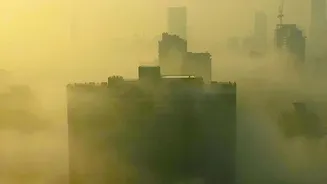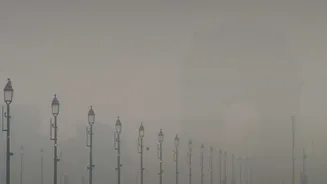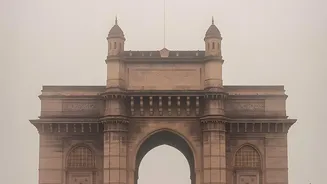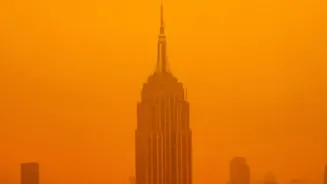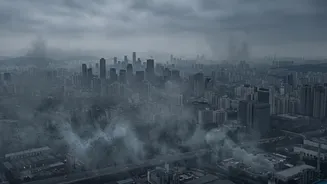



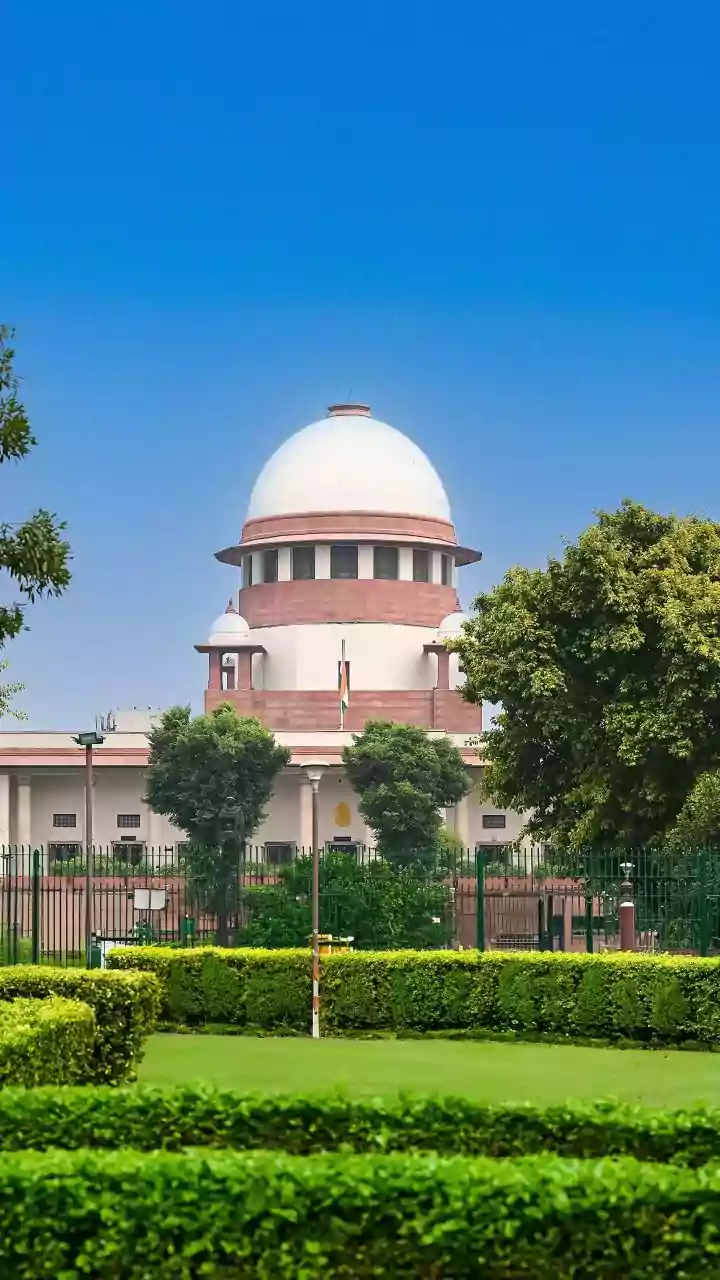


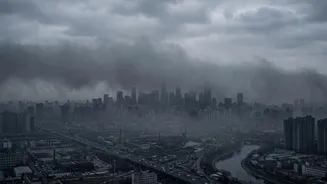


It's November in Delhi, and the air is thick with a familiar, toxic haze. The city is once again grappling with a public health crisis as the AQI hovers in the 'Very Poor' to 'Severe' range. But what makes it harder is the gamble of daily life.
The Current State of Emergency
As of early
November 2026, Delhi's air quality has consistently been in the 'Very Poor' category, with the Air Quality Index (AQI) frequently crossing the 300 mark. On November 12, the city's AQI was recorded at 313, a level that triggers respiratory illness on prolonged exposure. Several monitoring stations have even reported 'Severe' conditions, with AQI levels soaring above 400. In response, authorities have enforced Stage III of the Graded Response Action Plan (GRAP), which includes halting non-essential construction and restricting the use of older petrol and diesel vehicles. These measures underscore the seriousness of the situation, as a mix of post-Diwali firecracker emissions, agricultural stubble burning, and local pollutants from traffic and industry become trapped by stagnant winter weather.
The Challenge of Pinpointing Pollution
For Delhiites, the daily question of whether it's safe to venture outside often relies on air quality forecasts. Systems like SAFAR (System of Air Quality and Weather Forecasting and Research) provide crucial 1-3 day advance warnings. However, these predictions come with a degree of uncertainty. Forecasting air pollution is a complex science that depends on accurately modeling multiple dynamic variables: the number and intensity of farm fires in neighbouring states, shifting wind patterns, and local emissions from traffic and industry. A major hurdle is that the systems often rely on outdated emission inventories— essentially, the data maps of pollution sources. For instance, the Decision Support System (DSS) used by authorities has been noted to use data from as far back as 2018 for Delhi, making it difficult to capture current pollution patterns accurately. This can lead to underprediction of pollution levels, reducing the effectiveness of preemptive public health actions.
What This Uncertainty Means for Your Health
The gap between a forecast and the reality on the ground has significant health implications. When pollution levels are unexpectedly severe, individuals may unknowingly expose themselves to harmful PM2.5 particles—pollutants so fine they can penetrate deep into the lungs and enter the bloodstream. Short-term exposure can cause coughing, wheezing, and irritation of the eyes and throat. For vulnerable populations like children, the elderly, and those with pre-existing conditions, the risks are magnified, potentially triggering severe asthma attacks or cardiovascular events. Long-term exposure to such high levels of pollution is linked to chronic respiratory diseases like COPD, heart disease, stroke, and even lung cancer. The daily uncertainty makes it challenging for families to make informed decisions about school, work, and outdoor activities, turning everyday life into a health risk assessment.
How to Protect Yourself and Your Family
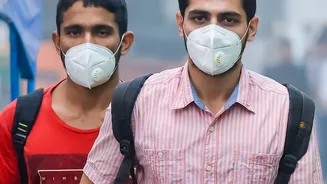
While you can't control the city's air, you can take steps to mitigate your exposure. First, rely on real-time AQI data from credible sources before stepping out. On days with 'Very Poor' or 'Severe' air, it is critical to limit outdoor activities, especially exercise. If you must go outside, wear a well-fitted N95 or N99 mask, which can filter out the most dangerous fine particulate matter. Indoors, keep windows and doors closed during peak pollution hours and consider using an air purifier with a HEPA filter to clean the air in your most-used rooms, like bedrooms. Avoid indoor sources of pollution like smoking or burning incense. It's especially important to ensure that children, the elderly, and family members with respiratory or heart conditions follow these precautions strictly.