




The Myth of the Perfect Plate
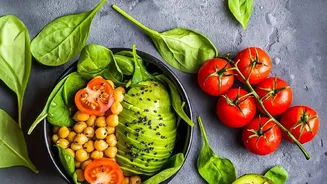
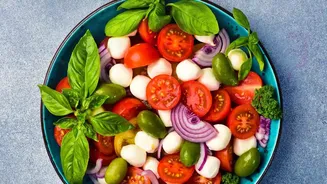
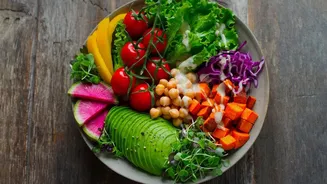
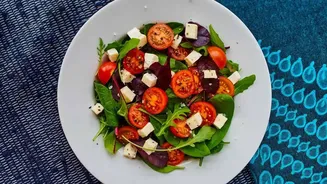
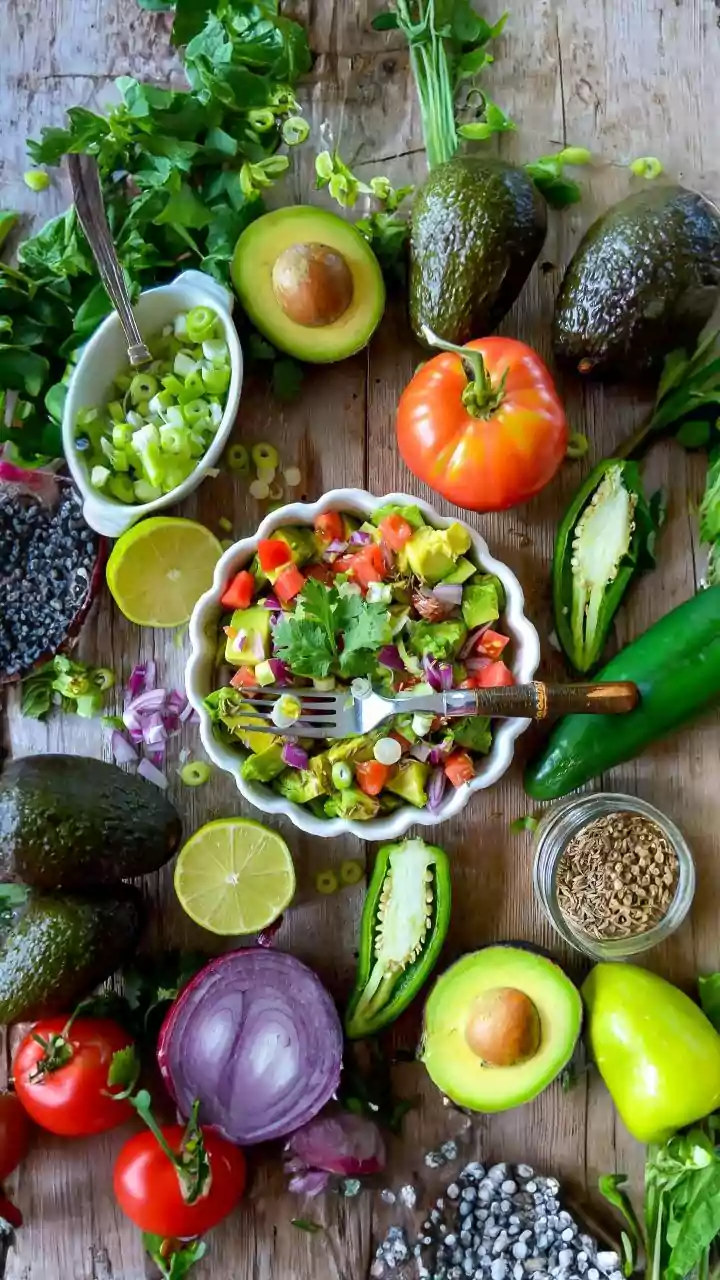
Social media thrives on aesthetics. The version of the Mediterranean diet seen on platforms like TikTok and Instagram often involves beautifully arranged, photogenic plates. While these images are appealing, they can create the misconception that the diet is about
a few specific 'superfoods' rather than a broad, flexible eating pattern. A 2022 study analyzing TikTok content found that a vast majority of videos tagged with #MediterraneanDiet were misleading or inaccurate, often promoting foods not actually part of the core diet. The real Mediterranean diet isn’t about one perfect meal, but an abundance of minimally processed plant foods, including a wide variety of fruits, vegetables, whole grains, nuts, and legumes. It’s less about a rigid food list and more about a pattern of eating fresh, seasonal, and locally grown foods. The emphasis is on variety and balance, not just a photogenic sprinkle of feta.
It's Not Just Food, It's a Lifestyle
Perhaps the biggest oversimplification is treating the Mediterranean diet as just a diet. Traditionally, it's a holistic lifestyle. This includes regular physical activity, which is often left out of the social media narrative. More importantly, it emphasizes the social and cultural aspects of eating. Meals are meant to be shared with family and friends, prepared and enjoyed together. This communal aspect promotes mindful eating, reduces stress, and fosters connection—elements that are crucial for overall well-being but are impossible to capture in a 30-second video. The true spirit of the diet isn't just about what's on your plate; it's about how you eat, who you eat with, and the enjoyment you derive from it. Focusing only on the ingredients misses this entire, vital dimension of health.
The 'Quick Fix' Fallacy
Influencers often frame dietary changes as challenges or quick fixes for weight loss. The Mediterranean diet gets swept into this trend, presented as a way to get a 'summer body' or achieve rapid results. However, this is fundamentally at odds with the diet's principles. The Mediterranean way of eating is not a short-term plan but a sustainable, long-term approach to health. Its benefits, such as reduced risk of cardiovascular disease and other chronic conditions, are built up over a lifetime of consistent habits. When social media portrays it as a temporary fix, it sets users up for failure and disappointment, potentially leading to cycles of restrictive eating. The goal isn't dramatic, overnight transformation but a gradual, enjoyable shift towards a healthier and more balanced life.
What Social Media Gets Wrong
Research has highlighted a significant disconnect between the authentic diet and its online representation. For example, some popular posts feature foods like lamb kebabs and pita bread, which, while common in the Mediterranean region, are not central to the recommended healthy eating pattern that emphasizes lean proteins and whole grains. Many posts also incorrectly feature refined carbohydrates, sweets, and processed foods. One study found that less than 9% of TikTok videos accurately explained what the diet was. This misinformation can be confusing. While some creators with health credentials do provide accurate information, many do not, making it difficult for viewers to separate fact from fiction. The constant exposure to misleading 'wellness' trends can distort perceptions and encourage an unhealthy obsession with eating 'clean'.