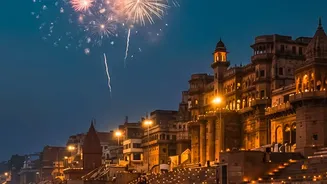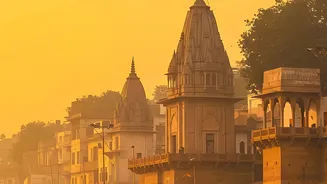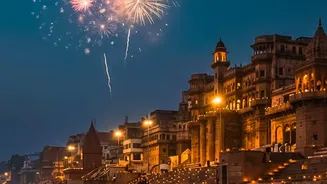







As the final days of autumn unfold, a quiet devotion begins to stir across Bihar. Soon, millions will gather at riverbanks for Chhath Puja, an ancient festival of sun worship. This year, the sacred ghats are drawing unprecedented travel interest.
An Ancient Ritual on the Riverbank
Chhath
Puja, a four-day festival deeply rooted in the culture of Bihar, Jharkhand, and eastern Uttar Pradesh, is a spectacle of profound faith. The main rituals will unfold between November 13 and November 16 this year. Unlike many Hindu festivals, Chhath involves no idols or priests. It is a direct communion with nature, dedicated to Surya, the Sun God, and his sister, Chhathi Maiya, for sustaining life on earth and for the well-being of family. The festival's most iconic moments occur at the ghats—the steps leading down to a river. Here, devotees, known as 'vratis', stand waist-deep in water to offer 'arghya' (offerings) to the setting and rising sun. This unique practice of worshipping the setting sun first is a gesture of gratitude for the light that has passed before asking for the blessings of a new day.
The Ghats: Theatres of Devotion
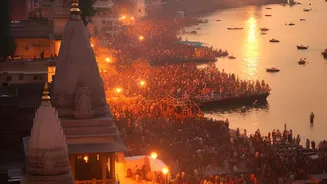
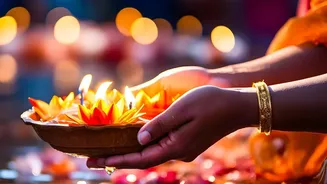
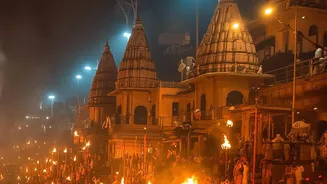
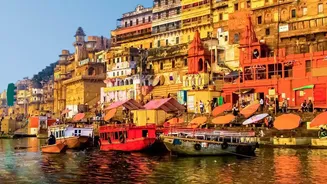
For four days, the ghats of rivers like the Ganga, Budhi Gandak, and Phalgu transform into vibrant, open-air temples. They are meticulously cleaned by communities and authorities, with every family marking out a small space for their offerings. As dusk approaches for the 'Sandhya Arghya' (evening offering), these riverbanks glow with thousands of earthen lamps. Families arrive together, carrying bamboo baskets called 'daura' and winnowing fans known as 'soop', both laden with homemade 'prasad'. Offerings typically include 'thekua' (a wheat-flour biscuit), fruits, and sugarcane. The air fills with the sound of traditional Chhath folk songs, passed down through generations, creating an atmosphere of collective devotion that is both disciplined and deeply moving.
From Sacred Space to Travel Hotspot
In recent years, the raw, unfiltered spirituality of Chhath has begun to attract attention beyond its traditional observers. Travel writers, photographers, and cultural researchers are increasingly drawn to Bihar to witness the festival firsthand. This rising interest is part of a larger trend of spiritual and cultural tourism, where travellers seek authentic, immersive experiences. The visual grandeur of thousands of devotees praying in unison at sunrise and sunset is a powerful draw. This newfound attention is reflected in the surge in travel to the state. Ahead of the November 2026 festival, airlines have seen a significant jump in search volumes for Patna, and Indian Railways has been running numerous special trains to manage the rush. The Bihar Tourism Department has even launched special helicopter joyrides for an aerial view of Patna's decorated ghats.
Spotlight on Bihar's Cultural Identity
This growing recognition is a source of immense pride for a region whose identity is deeply intertwined with the festival. For many people from Bihar, Chhath is more than a ritual; it is a homecoming. The annual 'reverse migration' sees people travel from across India and the world to celebrate with their families, reinforcing cultural bonds. Cities like Patna, Munger, Gaya, and Muzaffarpur become focal points of these celebrations. The attention on Chhath helps showcase a side of Bihar that is rich in tradition, community spirit, and a profound respect for nature. As travel coverage highlights the beauty of the ghats during this sacred time, it helps reframe the narrative around the state, focusing on its deep cultural heritage and the powerful, unifying force of its most cherished festival.