

The Rise of the Global Pantry
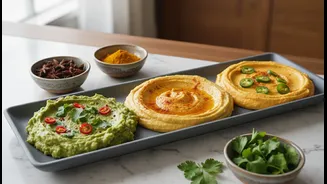
Not long ago, ingredients like hummus, gochujang, or miso were found only in specialty ethnic stores, tucked away in specific neighbourhoods. Today, they command entire aisles in mainstream supermarkets. This shift reflects a significant expansion of
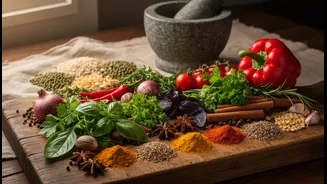
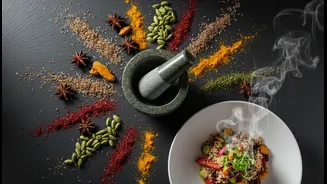
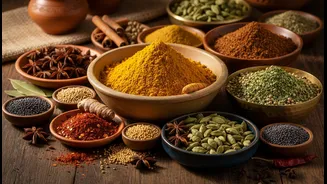
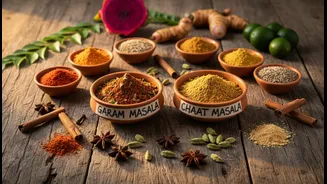
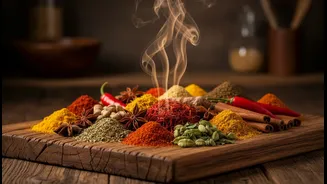
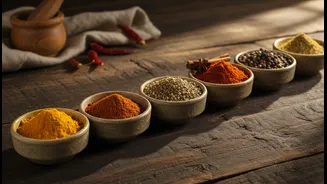
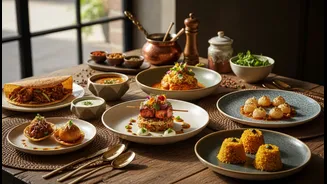
the modern palate, where once-regional flavours have become global staples. The term 'global pantry' now describes this new reality, where home cooks can easily access everything from Thai curry paste to Mexican harissa. Driven by social media trends, a growing interest in fermented foods, and an adventurous consumer base, this culinary diversification seems to tell a story of exploration and novelty. But the arrival of these ingredients on brightly lit shelves is only half the narrative.
The 'Chef Discovery' Narrative
Much of the credit for this flavour revolution is given to chefs and the food media. When a prominent chef features an ingredient like gochujang—a fermented Korean chilli paste with a rich history—on a menu or praises it on a cooking show, it often catapults it into the mainstream. This 'discovery' narrative is powerful; it positions chefs as culinary explorers uncovering hidden gems from distant lands. They innovate by blending these flavours into new contexts, creating exciting fusion dishes that capture the public's imagination. This process is undeniably important for popularising diverse cuisines and pushing culinary boundaries. However, framing it solely as discovery risks ignoring the generations of people for whom these ingredients have never been 'hidden'.
A Familiar Taste of Home
For diaspora communities around the world, these very same ingredients tell a different story—one of continuity and connection. Food is often the first language migrants share with new societies, but more importantly, it's a way to preserve their own identity. A simple flavour base, like a Venezuelan aliño, can create a sense of familiarity that bridges the distance between a new house and an old home. Long before gochujang was a trendy condiment, it was a staple in Korean households, painstakingly made and fermented in earthenware pots called jangdok. These ingredients are cultural anchors, passed down through generations and central to the dishes that mark celebrations, comfort the sick, and bind families together. Their presence is about sustaining a heritage, not hopping on a trend.
The Ecosystem of Authenticity
The journey of these ingredients to mainstream success was paved by countless small, family-run businesses. For decades, immigrant communities have established specialty grocers, butchers, and spice importers to serve their own needs. These stores were—and still are—vital cultural hubs, creating a market for authentic products that eventually attracted curious locals. They are the original purveyors of the global pantry, driven not by market trends but by the fundamental demand for the tastes of home. The economic impact is significant, as these communities create and sustain a global market for products that are now being adopted by large retail chains. What a supermarket chain now presents as a global aisle began as a lifeline for a local community.
Bridging Two Worlds
The true story of the global pantry lies at the intersection of these two narratives. While chefs and food media amplify and innovate, the steady, quiet demand from diaspora communities provides the foundation. The popularisation of a flavour doesn't erase its origins; it can, in fact, enrich them. When a food becomes mainstream, it creates economic opportunities and fosters a broader cultural appreciation that can help preserve the very traditions it stems from. The evolution of Indian-Chinese cuisine, or the fusion of Japanese techniques with Peruvian ingredients to create Nikkei cuisine, shows how migration and cultural exchange create entirely new and celebrated culinary traditions. This isn't just about what's new, but about what endures and adapts.