




A New Power Dynamic in Washington
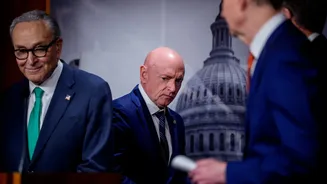
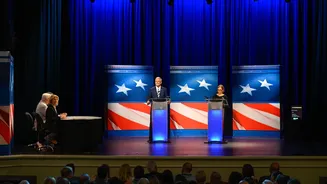
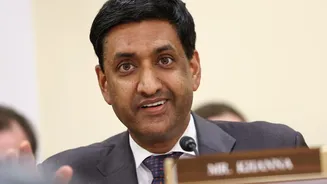
The Democratic Party's victory in both chambers of Congress marks a significant setback for President Donald Trump and the Republican Party. This shift in power, a first since Trump's return to the White House, alters the political calculus for the remainder
of his term. While the President retains significant executive authority, particularly in trade policy, a Democrat-controlled Congress means greater scrutiny, potential legislative roadblocks, and a different set of priorities. For Indian businesses, this ushers in a period of both opportunity and uncertainty, as a politically weakened administration may be pressured to secure foreign policy wins, including the long-negotiated trade deal with India.
The Future of the Bilateral Trade Deal
The India-US trade agreement, which has been in negotiations for months, now enters a new, complex phase. Experts are divided on the midterm results' impact. Some believe a weakened President Trump might be eager for a quick foreign policy victory and could therefore increase pressure on New Delhi to finalize a deal, potentially on terms more favorable to the U.S. This could involve pushing for greater market access for American agricultural and industrial goods. Conversely, other analysts and Indian officials feel the new power dynamic gives India more breathing room and leverage to negotiate a more balanced agreement, resisting pressure to accept lopsided terms. Regardless, the path forward will be delicate. Any agreement will face deeper scrutiny from the new Congress.
Tariffs and Market Access
A key question for Indian exporters is whether the era of unpredictable tariffs is over. While a Democrat-led Congress is expected to bring more oversight to the President's tariff policies, it doesn't guarantee an immediate reversal. The President retains significant executive power to impose duties through measures like Section 301 and Section 232 investigations. However, the broad consensus is that the risk of sudden, sweeping tariff escalations may decrease. Both Democratic and Republican parties have shown protectionist tendencies to safeguard American industries, so the underlying trend of economic nationalism may persist. For sectors like textiles, pharmaceuticals, and engineering goods, the focus will be on achieving predictable and preferential tariff rates to compete effectively with other exporting nations like Vietnam and Bangladesh.
Beyond Goods: Tech, Visas, and Energy
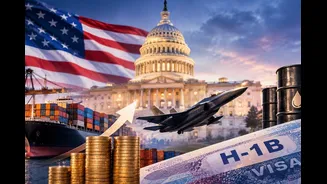
The India-US economic relationship extends far beyond merchandise trade. For India's formidable IT services sector, policies around H-1B visas remain a critical concern. A Democratic Congress could lead to greater scrutiny of restrictive immigration measures, which may bring some relief for Indian tech professionals and companies. Furthermore, strategic cooperation in technology, defence, and energy will continue to be pillars of the relationship. The new political alignment might also ease pressure on India regarding its energy imports, particularly concerning oil from Russia, which has been a point of friction. A softer approach from Washington on this front would provide significant relief to the Indian economy.