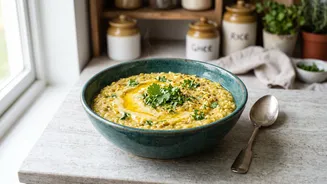




Moong dal soup is the ultimate comfort food—light, nourishing, and wonderfully simple. But its simplicity is also its greatest strength. Think of it as a blank canvas, ready to be transformed into a culinary masterpiece with just a few additions.
The Foundational Moong Dal Soup
Before
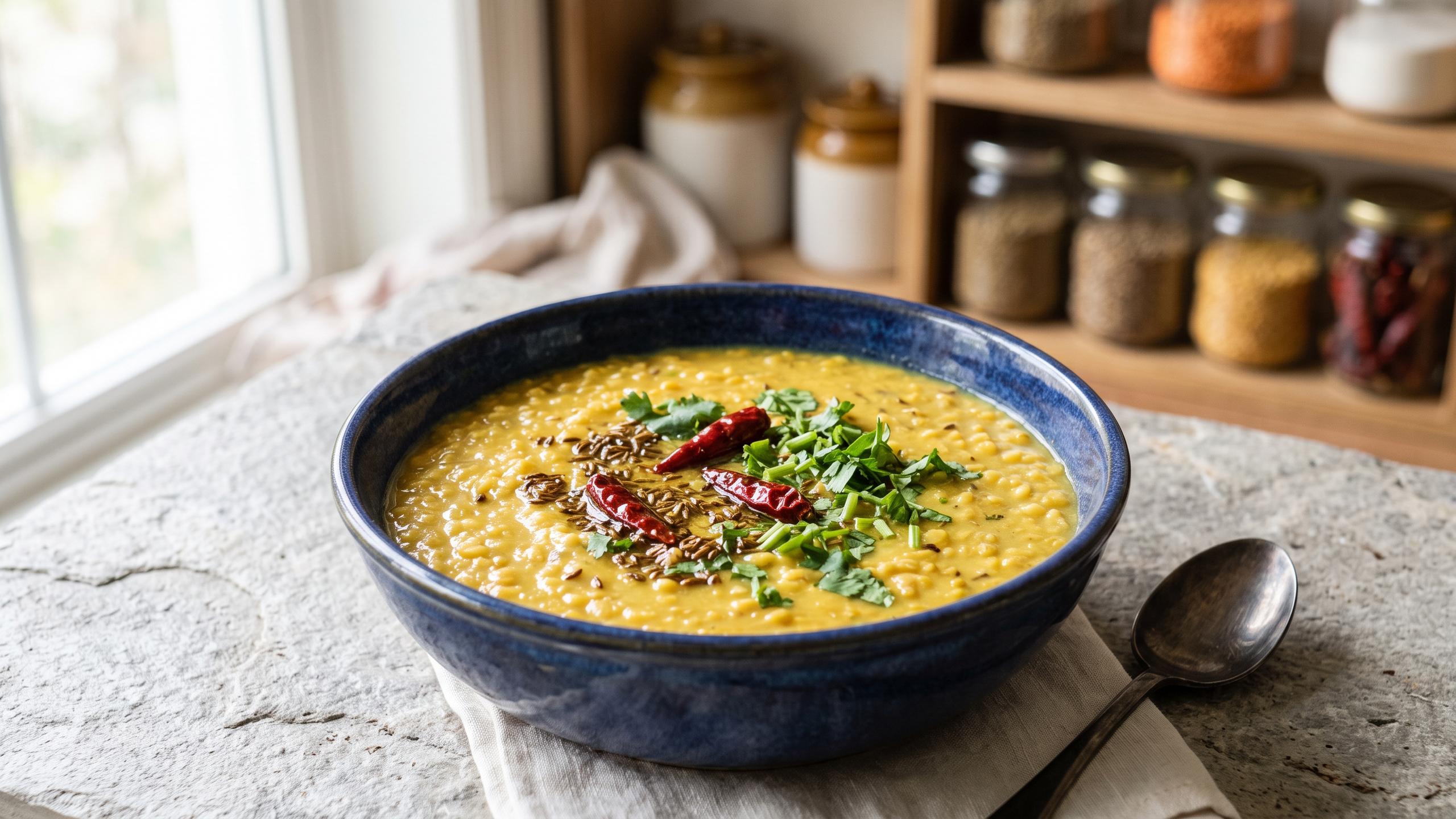
you can innovate, you need a solid base. The perfect moong dal soup is creamy, fragrant, and easy to digest. To start, rinse one cup of yellow moong dal until the water runs clear. In a pressure cooker or a pot, combine the dal with four cups of water, a teaspoon of turmeric powder, and salt to taste. Cook until the dal is completely soft and mushy—about 15-20 minutes in a pressure cooker or longer in a pot. Once cooked, whisk it to a smooth consistency. This beautiful, golden soup is your starting point. It's delicious on its own but also ready for a creative touch.
1. The Tadka Transformation
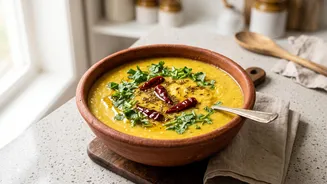
The fastest way to elevate your moong dal soup is with a 'tadka' or tempering. This involves frying whole and ground spices in hot ghee or oil to unlock their essential flavours and then pouring the mixture over the dal. For a classic tadka, heat a tablespoon of ghee in a small pan. Add a teaspoon of cumin seeds and let them splutter. Then, add a pinch of asafoetida (hing), finely chopped garlic, grated ginger, and a slit green chilli. Sauté for a minute until the garlic turns golden and fragrant. For extra colour and mild heat, you can add a pinch of red chilli powder just before turning off the heat. Pour this sizzling tadka over your cooked dal, stir, and listen to the beautiful symphony of sounds and aromas.
2. A Medley of Hearty Vegetables
Turn your soup into a complete, nutrient-packed meal by adding vegetables. This not only adds texture and flavour but also boosts its nutritional value, making it a well-rounded dish. Hardy vegetables like diced carrots, chopped green beans, cauliflower florets, and sweet corn can be added to the pot along with the dal to cook together. Alternatively, you can sauté finely chopped onions, tomatoes, and other quick-cooking vegetables like zucchini or bell peppers in a separate pan and add them to the cooked dal. For a Bengali twist, try dry roasting the moong dal until it's fragrant and a few shades darker before cooking it with vegetables like cauliflower and peas for a nutty, complex flavour.
3. The Power of Leafy Greens
Incorporating leafy greens is an excellent way to add vitamins and a fresh, earthy taste to your moong dal soup. Spinach (palak) is a classic choice that wilts beautifully into the dal, creating a creamy and wholesome 'Dal Palak'. Simply stir in a generous handful of chopped spinach leaves into the hot, cooked dal and let it simmer for a couple of minutes until the leaves are tender. Other greens like fenugreek leaves (methi), dill leaves (suva), or kale also work wonderfully, each imparting its unique flavour profile. This addition transforms the simple soup into a more substantial and iron-rich meal.
4. Create a Creamy, Rich Broth
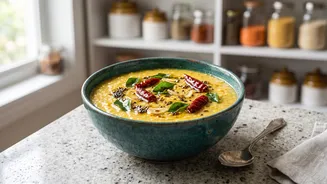
For a richer, more indulgent version of moong dal soup, consider adding coconut milk. This is particularly popular in South Indian preparations and adds a subtle sweetness and a luxuriously creamy texture. After your dal is cooked and blended, stir in half a cup of coconut milk and gently heat it through without bringing it to a rolling boil. This variation pairs beautifully with a tadka of mustard seeds, curry leaves, and dry red chillies. A final squeeze of lemon juice at the end will cut through the richness and balance the flavours perfectly.
5. Turn it into a Nourishing Khichdi
One of the most beloved transformations of moong dal is khichdi, a comforting one-pot meal of lentils and rice. To make a simple khichdi, use a one-toone ratio of rice and moong dal. After preparing a base tadka of cumin seeds, ginger, and asafoetida in a pressure cooker, add the rinsed dal and rice, turmeric, and salt. Add about four to five parts water, and pressure cook for about 15 minutes. The result is a soft, porridgelike dish that is incredibly easy to digest and deeply satisfying. You can add vegetables to make it a more complete meal, often served with a dollop of ghee on top.