







The Science of Freezer Burn
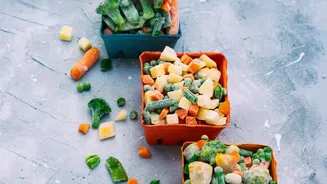
Freezer burn occurs when frozen food becomes dehydrated due to air exposure. The scientific term is sublimation, where ice crystals on the surface of the vegetables turn directly into water vapour, bypassing the liquid stage. This moisture loss leaves
the vegetables shrivelled, tough, and discoloured. As the moisture leaves, oxygen moves in, which can further degrade the quality and taste. The ice you see on the outside of the food is actually the moisture that used to be inside it, now frozen on the surface. While food with freezer burn is still safe to eat, its texture and flavour are significantly compromised.
Why the Original Bag Is Not Enough
Most bags that frozen vegetables come in are designed for a single use and are not resealable. Once you tear or cut them open, they no longer provide an airtight barrier. Even a small opening allows cold, dry freezer air to circulate inside the bag. This exposure is the primary cause of freezer burn. Furthermore, temperature fluctuations, which happen every time you open the freezer door, accelerate this process. The air inside the bag causes food to partially thaw and refreeze, leading to larger ice crystals and quicker dehydration.
The First Line of Defence: A Better Seal
The most crucial step is to remove as much air as possible from the bag before sealing it. For the original packaging, press the air out, roll the top down tightly, and secure it with a binder clip or a sturdy peg. However, this is often a temporary fix. A better and more permanent solution is to transfer the vegetables to a dedicated freezer-safe container or bag. Freezer-specific zip-top bags are thicker and more durable than standard sandwich bags. When using them, press out the excess air before sealing. For an even better seal, you can use the water displacement method: place the food in the bag, seal it almost completely, and then submerge the bag in a bowl of water, keeping the opening above the water line. The water pressure will force the remaining air out. Once the air is gone, seal the bag completely.
Advanced Tactics for Long-Term Freshness
For those who buy in bulk or want maximum protection, a few extra steps can make all the difference. Double-bagging—placing the original, sealed bag inside a larger, airtight freezer bag—provides an extra layer of defence against air and moisture. Airtight plastic or glass containers are also excellent options, as they provide a rigid barrier and can be stacked easily for better organization. If you frequently freeze food, investing in a vacuum sealer is one of the most effective ways to prevent freezer burn by removing almost all the air from the package.
Smart Freezer Habits
Beyond sealing, good freezer management plays a key role. Keep your freezer set to 0°F (-18°C) or lower to ensure food stays solidly frozen. Avoid opening the door too frequently or for long periods, as this causes temperature swings. Organise your freezer so you can find what you need quickly. A good practice is “First-In, First-Out” (FIFO): place newer items at the back and move older items to the front so they get used first. Labelling your bags and containers with the contents and the date you opened or stored them helps you keep track of how long they've been in the freezer.