



The Challenge of the Oven Fry
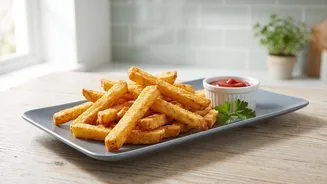
We all crave the golden, crunchy exterior and fluffy interior of a perfect French fry, but achieving that texture without a deep fryer can feel like an impossible task. Ovens cook with dry heat, which can easily lead to fries that are either soft and steamy
or dry and hard, rather than truly crispy. The moisture inside the potato is the main culprit; as it heats up, it turns to steam. If that steam can't escape quickly enough, it gets trapped, making the outside of the fry soggy. This is where a little bit of kitchen science comes into play, offering a simple solution to a common culinary problem.
Cornstarch: Your Secret Weapon for Crunch
Cornstarch is the hero of this story because of its powerful ability to absorb moisture. When you lightly coat your cut potatoes in cornstarch, it creates a thin, dry layer on the surface. As the fries bake in the hot oven, the cornstarch interacts with any surface moisture and the hot oil, forming a new, porous outer structure. This coating doesn't just get crispy on its own; it creates a barrier that helps dehydrate the potato's surface more effectively, leading to that signature crackly, golden-brown finish that rivals deep-fried versions. It's a simple step that fundamentally changes the texture.
Choose the Right Potato
The type of potato you use makes a significant difference. For the crispiest oven fries, you want a potato that is high in starch and low in moisture. Russet potatoes, sometimes known as Idaho potatoes, are the gold standard for this. Their low water content and starchy texture result in a fry that's fluffy on the inside and has the structure to support a crispy exterior. While other varieties like Yukon Gold can be used, they have a creamier, waxier texture and will produce a softer, less crunchy result. For that classic fry experience, sticking with Russets is your best bet.
The Step-by-Step Method
First, prepare your potatoes. After cutting them into your desired fry shape (about 1/4 to 1/2 inch thick is ideal), soaking them in cold water for at least 30 minutes is a highly recommended step. This process draws out excess starch from the potato itself, which prevents the fries from sticking together and helps them crisp up. After soaking, the next step is critical: dry them thoroughly. Pat them down with a clean kitchen towel or paper towels until there is no visible moisture. In a large bowl, toss the dry fries with oil first to create a base for the coating to stick to. Then, sprinkle on the cornstarch along with any seasonings like garlic powder or paprika and toss again until every fry has a light, even dusting.
Baking for Maximum Crispiness
Your oven setup is just as important as the prep. For best results, preheat your oven to a high temperature, around 425°F (220°C). Many recipes also suggest placing your empty baking sheet in the oven while it preheats. This creates a sizzling hot surface that immediately begins to sear the outside of the fries, preventing sticking and kick-starting the crisping process. Arrange the coated fries in a single, even layer on the hot baking sheet, making sure they aren't touching or overcrowded. Overcrowding the pan will trap steam and lead to sogginess. Bake for 15-20 minutes, then carefully flip the fries and continue to bake for another 15-25 minutes, or until they are golden brown and crispy on all sides.