





The Science of a Heavy Pan
The first rule of even roasting is to use a heavy-bottomed pan, like a cast-iron skillet or a thick wok. This isn't just a preference; it's about thermal mass. A heavy pan absorbs and retains heat far better than a thin one. This creates a stable, consistent
cooking surface that radiates heat evenly, preventing the dreaded hot spots that scorch some peanuts while leaving others underdone. A thin pan, by contrast, heats up and cools down erratically, leading to an uneven roast where nuts can go from perfect to burnt in a matter of seconds. The thick base of a good pan acts as a buffer, ensuring the peanuts are gently and thoroughly roasted by consistent, ambient heat rather than direct, aggressive flame.
Why Steady Heat Is Your Best Friend
Just as crucial as the pan is the heat source. The goal is steady, medium heat. High heat might seem like a shortcut, but it's a recipe for disaster. It will brown the outside of the peanuts too quickly, leaving the inside raw and resulting in a bitter, burnt flavour. Steady, moderate heat allows the nuts to cook through to their core, developing a deep, nutty aroma and a satisfyingly crisp texture. To achieve this, you need to be patient. You also need to stir constantly. This continuous movement ensures every peanut gets equal time on the hot surface of the pan, distributing the heat and leading to a uniform, golden-brown finish. Don't be tempted to walk away; roasting peanuts this way requires your full attention.
The Roasting Medium: A Bed of Salt
This technique doesn't involve tossing peanuts with a pinch of salt. Instead, you create a deep bed of salt in the pan, which acts as the roasting medium. Use a generous amount of fine table salt, enough to form a substantial layer. This salt bed serves the same purpose as the hot sand used in traditional roasting methods: it holds and distributes the pan’s heat perfectly, enveloping each peanut in a cocoon of consistent warmth. This method ensures there are no hot spots on the metal pan surface directly touching the nuts. The salt transfers heat gently, while also imparting a delicate, savoury flavour. Don't worry about the peanuts becoming overly salty; you will sift them out at the end. The salt can even be cooled, stored, and reused for your next batch.
The Simple Step-by-Step Process
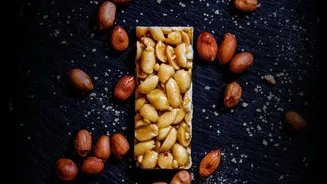
Ready to try it? Here’s how you get perfect results every time. Start with raw, shelled peanuts, skin-on is fine. First, heat your heavy pan over a medium flame. Add a generous layer of fine salt, about two to four cups depending on your pan size, and heat it until it's warm. A helpful tip is to briefly rinse the raw peanuts in water and drain them just before adding them to the hot salt. The moisture helps the salt adhere slightly for flavour and also helps prevent the peanuts from burning by balancing the heat. Now, add the peanuts to the hot salt and begin stirring immediately and continuously. It might be difficult to stir at first due to the moisture, but it will get easier. Keep stirring for 10-15 minutes until the peanuts turn a light reddish-brown and your kitchen is filled with a rich, nutty aroma. Once done, immediately turn off the heat and use a slotted spoon or sieve to separate the peanuts from the salt. Spread them on a baking sheet to cool completely. They will continue to cook and get crispier as they cool.
Common Pitfalls and How to Avoid Them
Several common mistakes can derail your efforts. The most frequent is impatience. Turning the heat up to high will only lead to scorched nuts. The second is using a flimsy, thin-bottomed pan, which, as we've covered, causes uneven cooking. Another error is not using enough salt; a shallow layer won't provide the necessary buffering and even heat distribution. Finally, distraction is the enemy of perfectly roasted peanuts. Walking away from the stove for even a minute can result in an uneven or burnt batch. Constant stirring is non-negotiable for this method. By following these guidelines, you'll be able to produce a snack that is leagues ahead of any pre-packaged version.